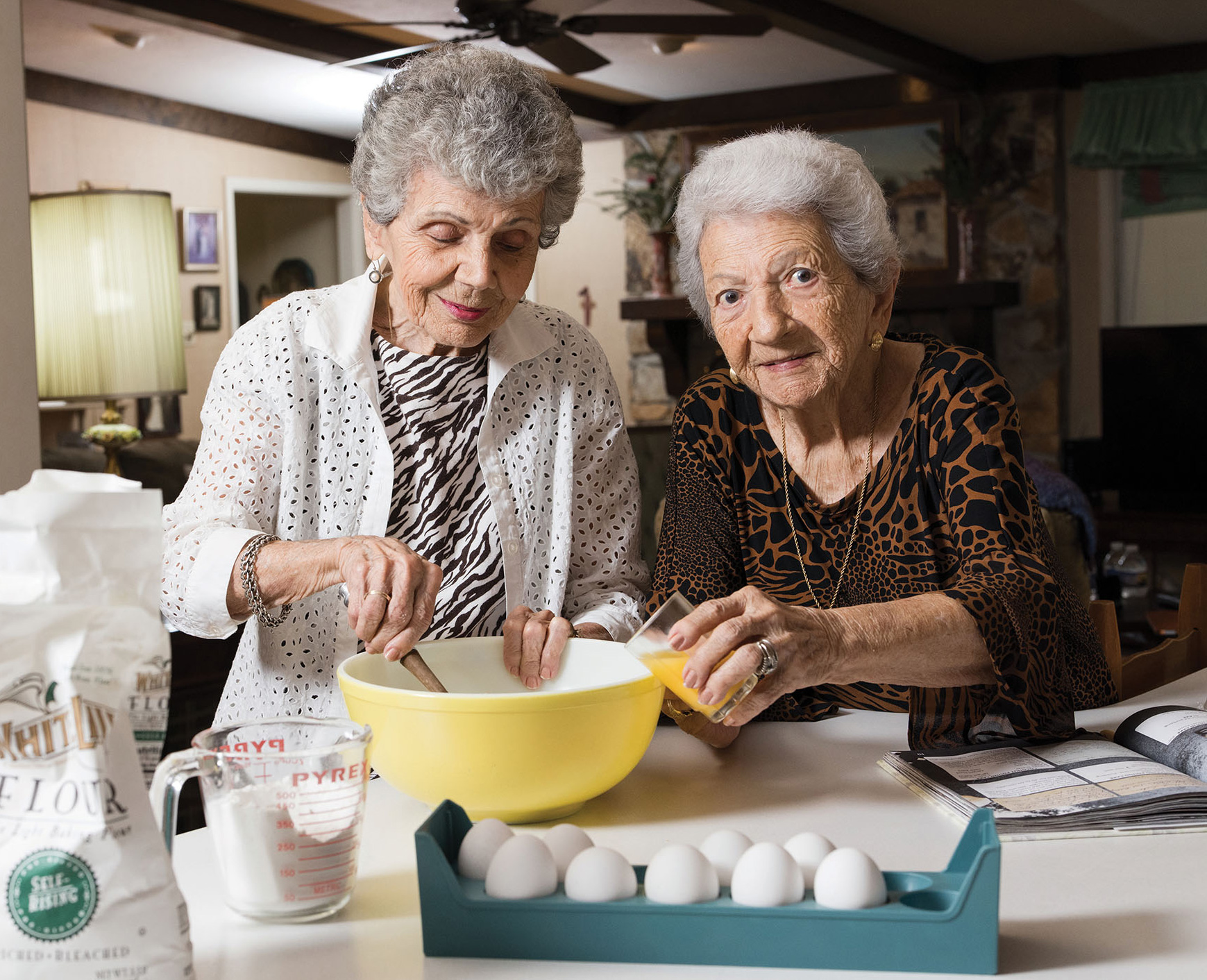
Three women — an octogenarian, a nonagenarian and a centenarian — gather around a countertop dusted with flour and divide cookie dough evenly between them. They roll and shape the dough, using techniques they have practiced for generations as their voices join in a Greek song. The lyrics, when translated, describe exactly what the women are baking: “With my two hands, I shape koulourakia / Koulourakia, koulourakia / The oven will bake them; the house will smell sweet / Koulourakia, koulourakia.”
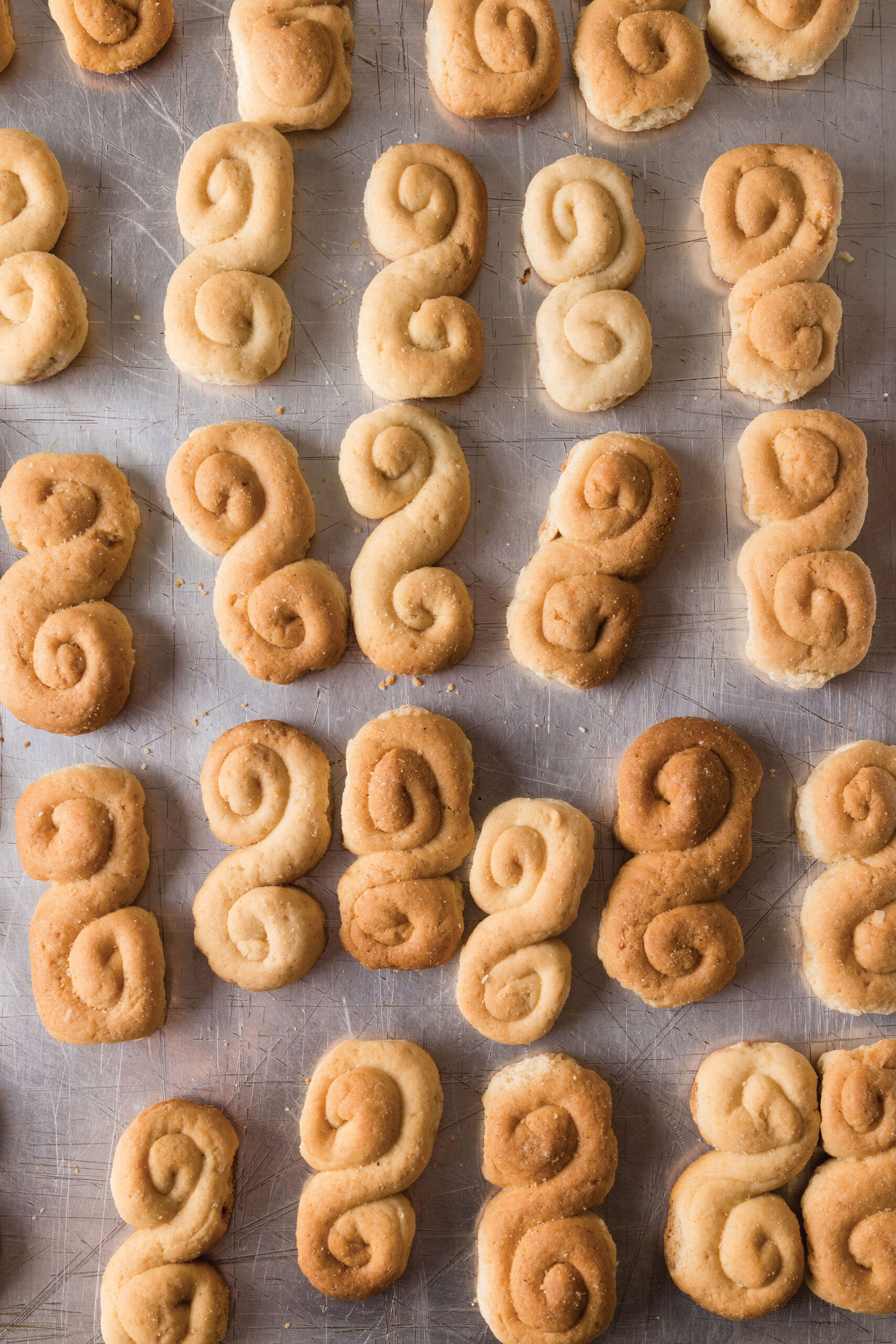
Koulourakia are light, buttery shortbread cookies, and the song is one many Greek children learn to sing while baking the delectable treats alongside the generations before them. These women learned this song from their mothers and have passed it on to their children, so the tradition continues. Here in the Bay area, these cookies are one of the many delicious offerings available at Annunciation Greek Orthodox Church’s annual Greek Fest.
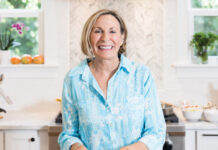
“The Greek festival started from a bazaar in 1957 at the church downtown on Government. The first bazaar was there. Then they bought the property on Ann Street and the Bellingrath house, so we started having the bazaar at the Bellingrath house,” explains 101-year-old Zenia Roussos, affectionately known as “Yiaya,” who has been a part of the festival since its inception. “It was beautiful. Everybody did something. We had lunch and supper and made all the pastries — the baklava, everything. We were there until the hall was built.”
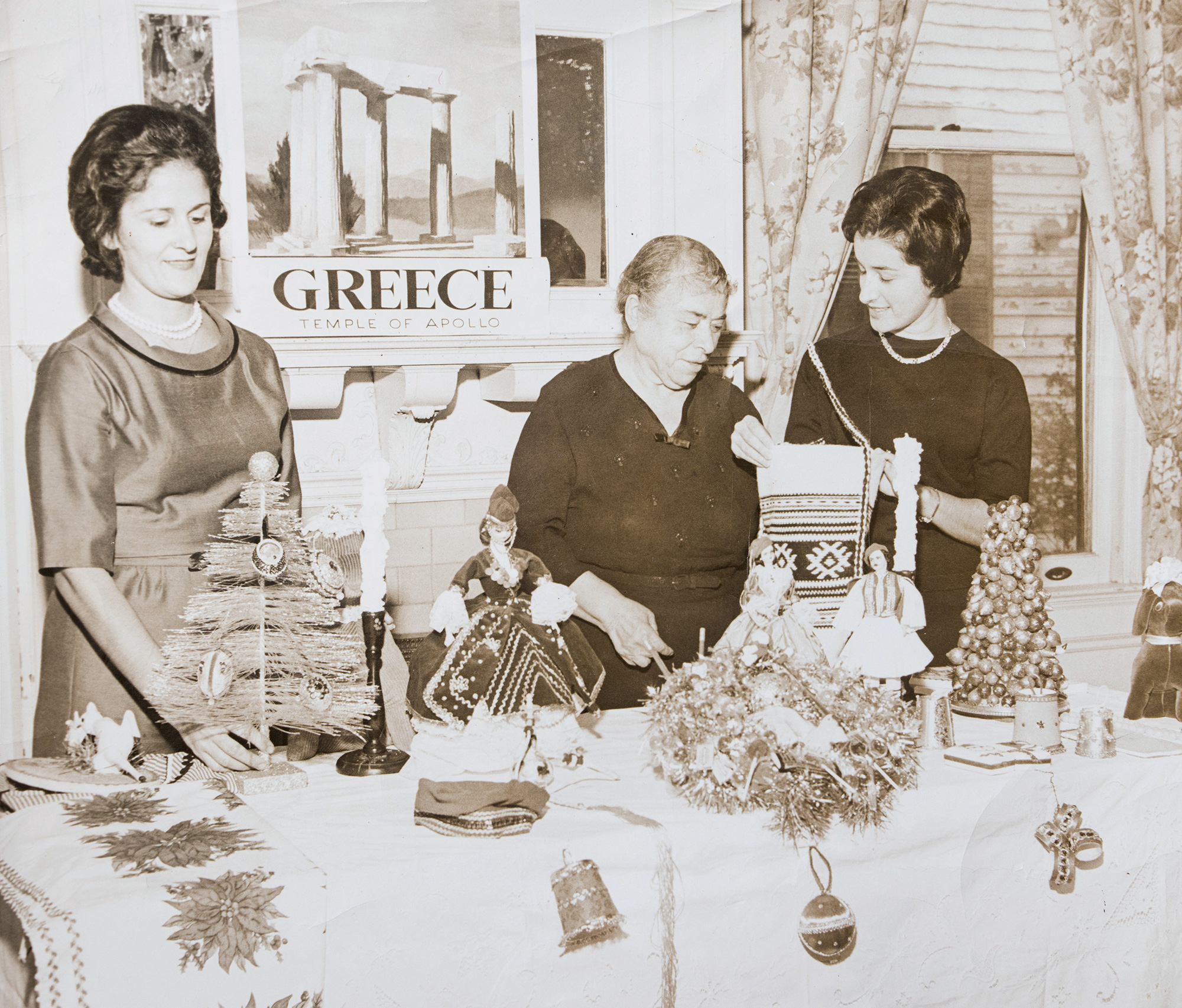
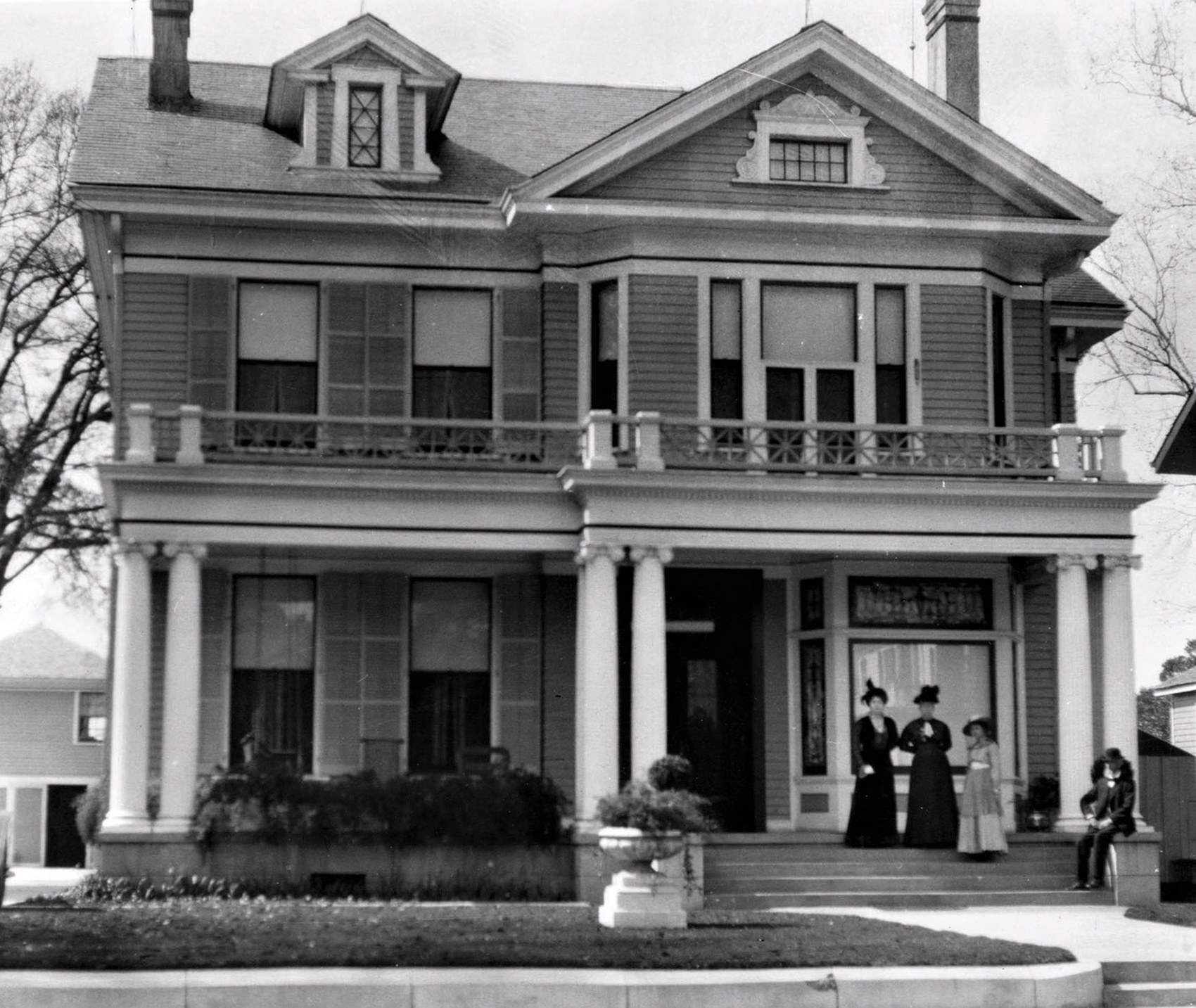
A local chapter of The Philoptochos Society — a national lady’s organization — started the bazaar. The group’s mission, among other pillars, is to promote charitable outreach and perpetuate the Orthodox Christian faith and traditions. The bazaar was originally held in the Old Bellingrath Home until the hall was built around 1974; then the priest asked Roussos to organize the society locally again, so she obliged. Now, the festival is held in the Hellenic Center.
For Roussos, her Greek heritage and culture shape every aspect of her life. Her mother was from Constantinople, and her father was from Skiathos. Roussos, born in the United States, eventually settled in the Mobile area with her husband, George. Together, they owned the former Roussos Restaurant on the Causeway before Hurricane Frederic destroyed it; the business relocated to a few other locations before permanently closing in 2009. Before they had a church hall, Greek-owned restaurants would help to prepare food for the bazaar. Roussos recalls picking up chicken from a little restaurant on Broad Street and accepting contributions from Constantine’s and, naturally, her husband’s restaurant.
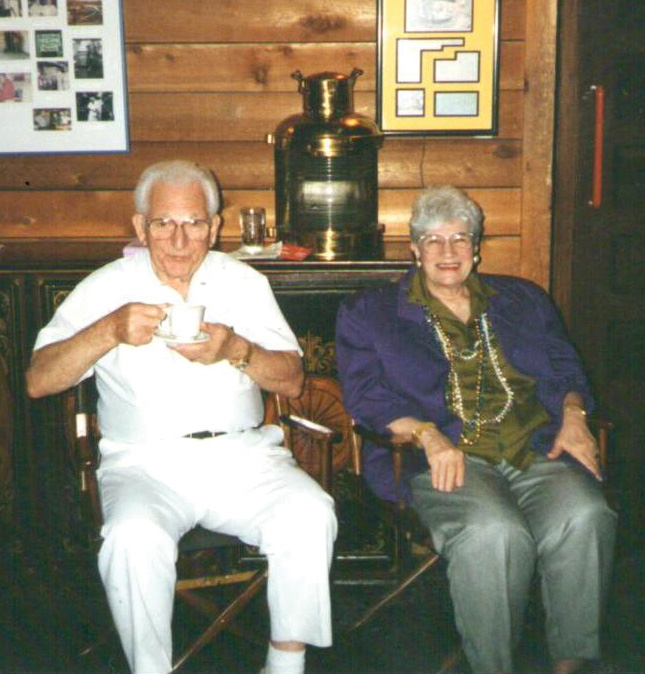
Throughout her long and well-lived life, Roussos has prioritized her faith, family and, of course, food. “Our faith is part of our living,” she says. “We were very into our church, so after I got married, both my boys were altar boys. One of the priests lived down the street, and my daughter and his daughter were very close, and they all went to church together.” Her daughter, Georgia Roussos, agrees, saying, “The church and the family were like one. Everything you did revolved around your church, especially in those days, because most women did not work, so they had more time to spend at church, and their children were always in the church.”
While Roussos’ family was raised knowing the importance of their Greek Orthodox faith, they were also raised on the foods of their culture — spanakopita, pastitsio, grape leaf rolls and desserts like baklava and koulourakia. These delicacies and more can be enjoyed each year at Greek Fest. Through her involvement with the festival, Roussos met sisters Katina Vallas and Titsa Stratas, who have become dear friends and who have also been integral parts of the event since its early days.
Vallas moved to the Bay area in 1958, so she has been involved in Greek Fest for roughly 60 years. Her little sister, Stratas, moved here in 1964. Stratas’ husband, Nick, taught music, and they would go down to the church and help with the bazaar. Later, he became chairman of the festival for many years. “When we started the bazaar, they asked everybody to make something, so they asked me to make a pan of pastitsio. Everybody contributed,” Vallas says. With a laugh, she recalls one year when she helped a group of ladies making baklava: “I was buttering each sheet as they were making it, and somebody put parchment paper down for a layer of phyllo. When I was cutting it, I said, ‘This didn’t cut right.’ But that was so funny.” For the dessert, layers of phyllo dough are meticulously buttered, placed and covered with a filling of nuts and spices, then topped with more layers of phyllo. Once baked, the dessert is soaked in honey or sugar syrup and, when cut, the crispy phyllo shatters with a delightful crunch. Imagine Vallas’ surprise when the layer of parchment paper did not yield as easily as the delicate phyllo.
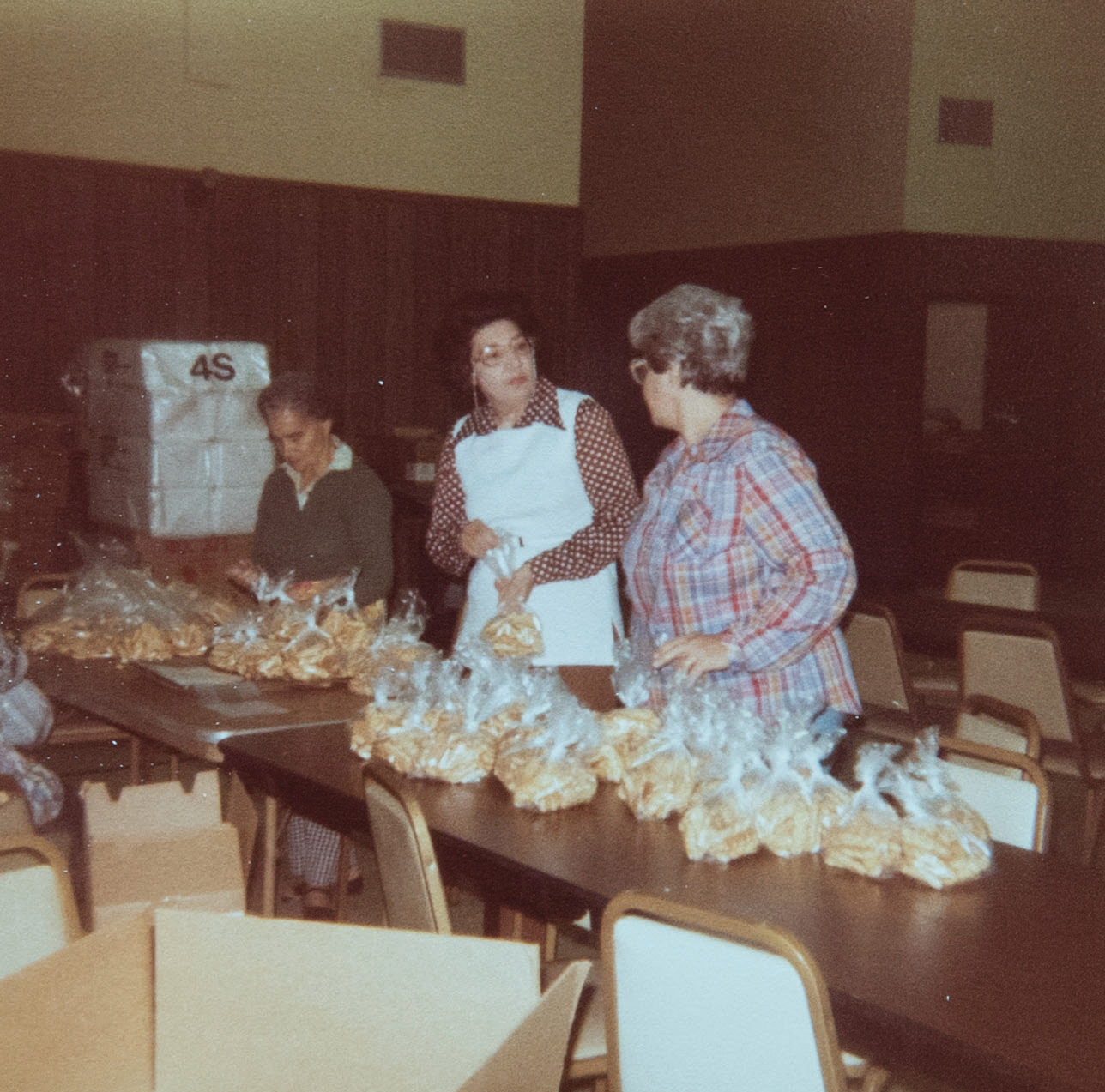
As the event grew, the church was always seeking new ways to improve the experience and serve even more members of the community. “One year, my husband said, ‘We’re gonna do a drive-up.’ And I said, ‘Are you crazy?’” Vallas recalls, laughing. Her sister adds, “We started the drive-up in the church hall in a little closet, and from there we went outside to the entranceway. We were using so much power that we had to get our own setups.” The drive-up needed devices like freezers and refrigerators to store and prepare the food, but the power usage was affecting the church’s ability to maintain its heating and cooling. Since the iconography must be kept at a certain temperature, it was best for the drive-through to get its own source of power to protect the beautiful paintings. Now, the sisters’ children and grandchildren all work the festival’s drive-through. The option is one of the most popular, allowing guests to stop by and pick up a meal even if they don’t have time to go inside and enjoy the festival’s music, shopping and dancing.
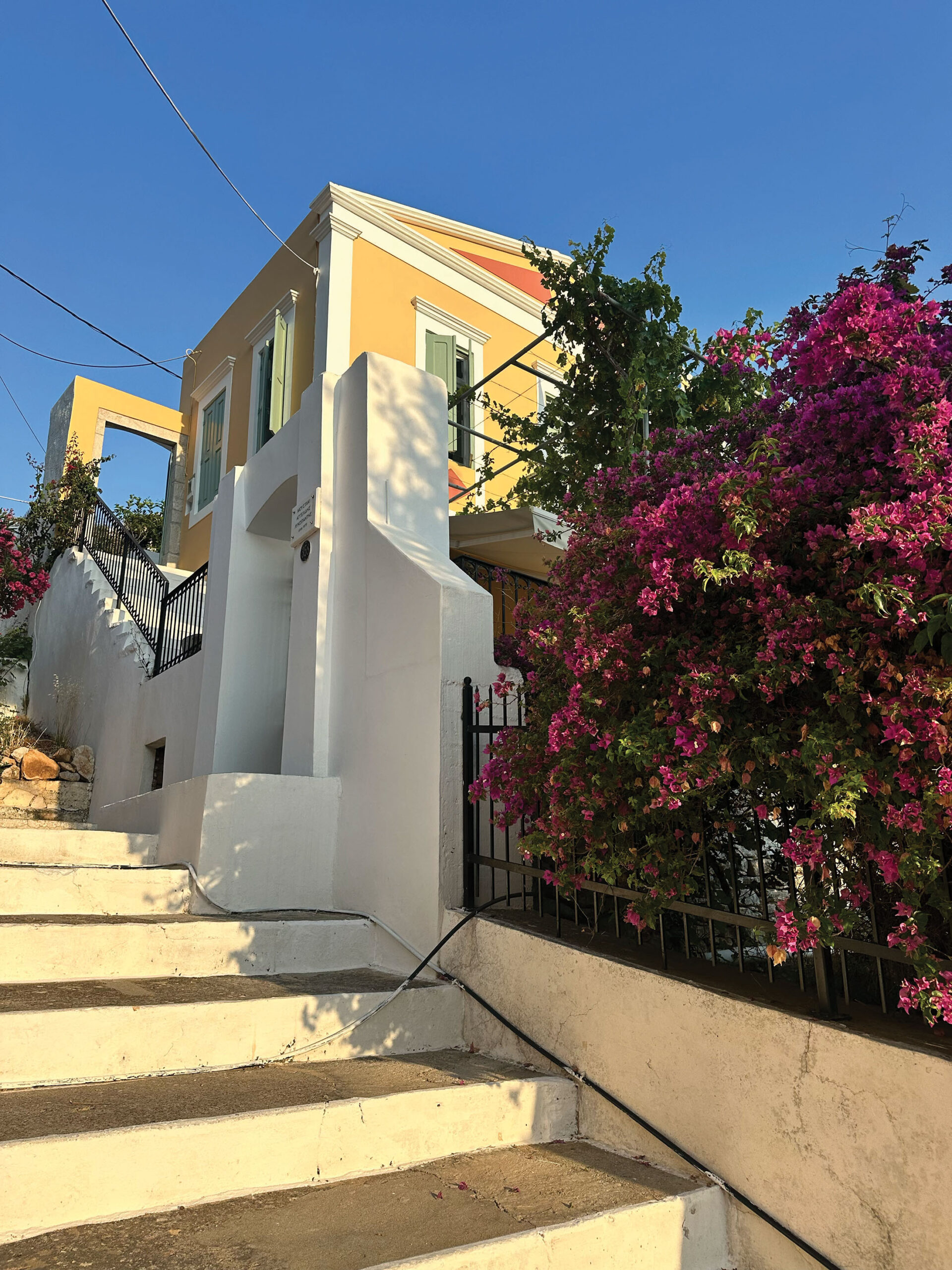
Just like Russos, Vallas and Stratas value their Greek heritage. Their mother was from an island called Symi, and Vallas still spends two weeks there each year. She stays in the family home in the mountains where, each morning, she enjoys views of ships coming into the port. Wide, steep stairs lead to the ancient stone structure built in 1879; the home was not outfitted with a bathroom, shower or washing machine until the 1950s and later. In Greece, the dowry is traditionally passed down through the women, so the women in their family have kept the home for many decades. A plaque adorns the front door, and the property is fenced in to protect it from goats, all of which serves to make the beautiful home even more impressive. “I was there one day, and some tourists were renting the house next door to me, and they thought we were the Greek embassy,” she says, laughing. “You’re on the water. I enjoy seeing all the people, and they know me by my first name. My grandchildren love it. They go every year and take a friend or so. In fact, my grandchildren just came back, and they were amazed that everybody asked about me, so that means a lot.”
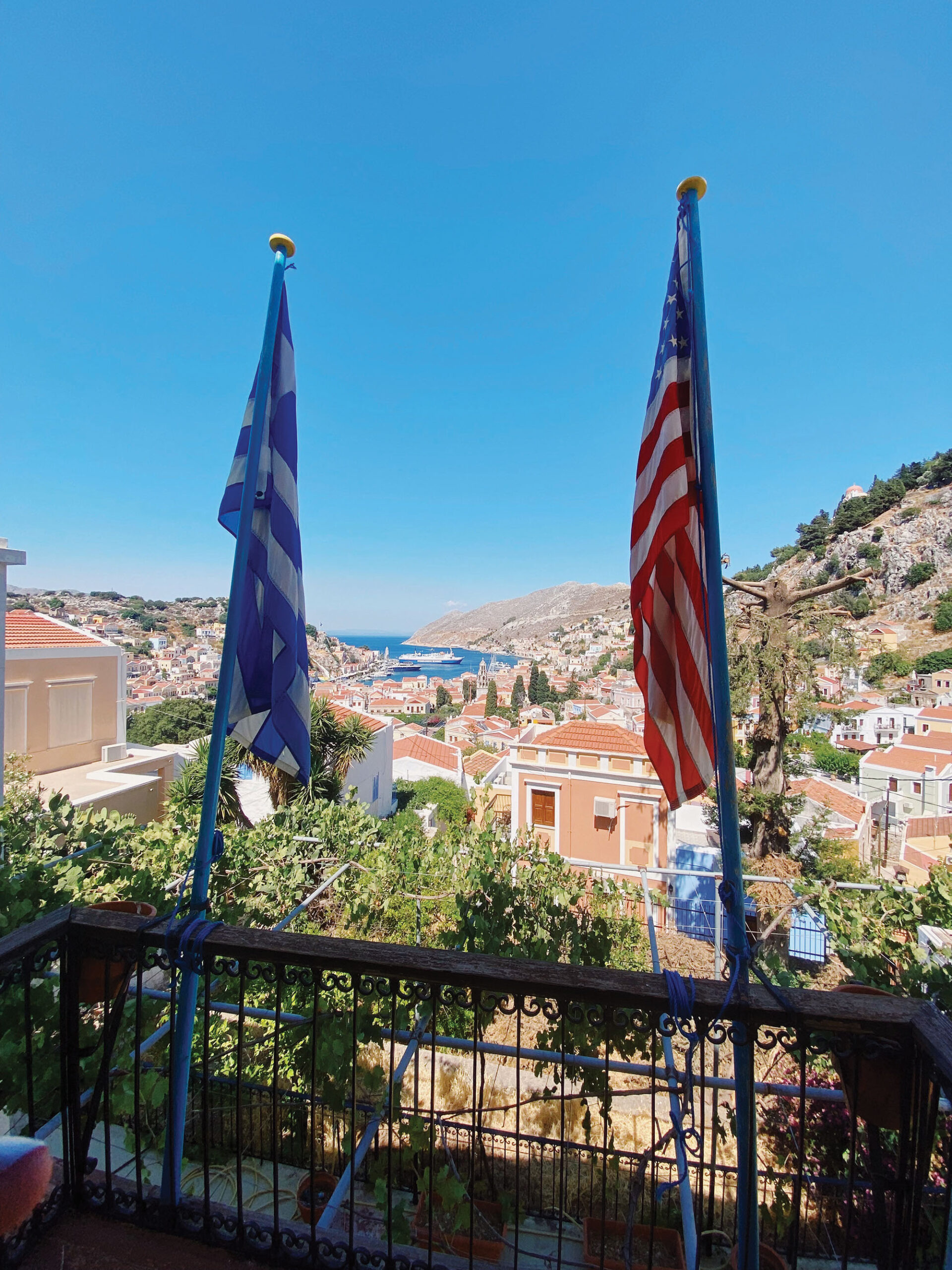
Despite their love and appreciation for their homeland, all three women are proud to call themselves Americans. “The US is our country. Greece comes second now,” Roussos says. Once, she and her husband visited his home in Greece, and while they appreciated the rustic village, it made them even more grateful for the lives they had built in America. “I’m first generation. I’m proud to say all three of my children speak Greek. I’m proud that I’m Greek, and it makes me proud when everybody enjoys my Greek background. But I’m an American Greek.” As such, her family has embraced American life and have proudly offered their services to the military. Her father served in World War I; her husband was an Air Force radio officer during World War II; her brother served in Korea; and one son served in Vietnam while the other was in the National Guard.
Vallas and Stratas’ parents, too, realized how fortunate they were to have a home in America. Both sisters had twin brothers, and when Vallas was little, her mother wanted to return to Greece, so they did. “My twin got sick on the island, and there were no pediatricians,” she explains. “He died at 9 months, so she wanted to come back to America.” Despite this tragic loss, Stratas and her twin were born five years later, and the family built beautiful lives in America.
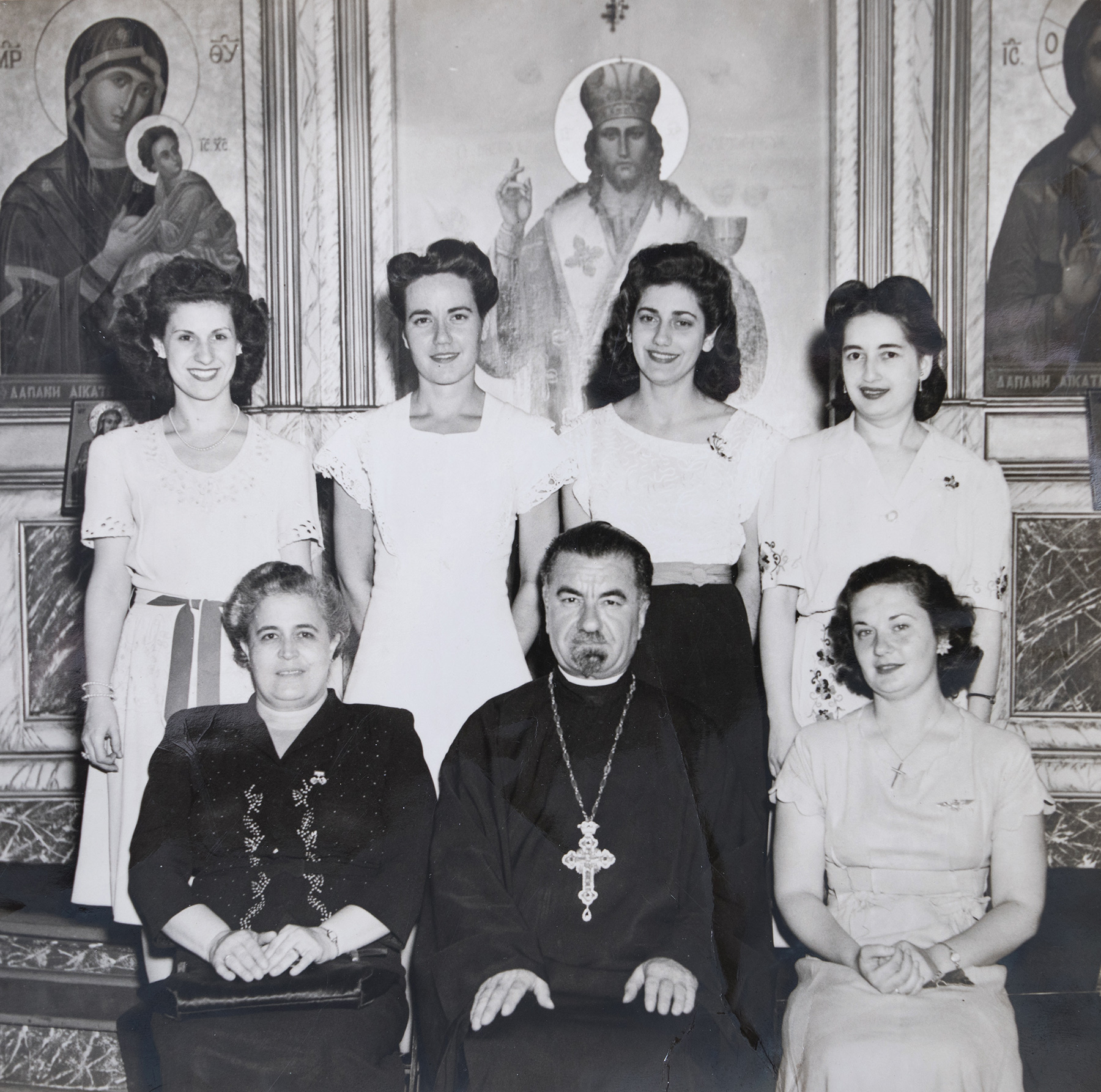
“We spoke Greek to my mother, but to my father, we spoke English,” Stratas says, explaining how the cultures blended growing up. “My mother was a Greek school teacher. When she came to the States, we were in Orlando and there were only a few of us. When we moved to DeLand, we had to get permission from the Episcopal Church to allow a Greek priest to have service for us when he came through. When I was getting married, I had to have permission to have a Greek wedding in the Episcopal Church.” On Sundays, her mother would make traditional Greek dishes — pastitsio, lamb and chicken — and invite guests to dine with them. Vallas and Stratas’ father owned a restaurant, and if a Greek family was visiting, he would offer to host them, so the children would sleep on the floor and give their beds to the visitors. In return, the families would open their homes to the sisters’ family if they were ever in town. As Vallas aptly states, “Greeks never meet a stranger.”
Roussos, too, recalls growing up during the Depression, when families supported one another and offered helping hands. This sentiment is common across Greek culture and is one that has shaped these women’s lives. Now, in a similar way, they open up their church, their kitchens and their hearts to locals every year during Greek Fest.
Roussos started by working the registers, then she was in charge of pastries. She held this role until she was 93 before passing it over to Vallas. Although Roussos does not work the festival anymore, she is proud of her decades of service and of the good the event has accomplished. “We not only made money for the church; we gave money to others,” she says. Over the years, the church donated to schools, the Penelope House and various charities. The sisters, too, are honored to support good causes and to share their culture with others. “You get a chance to meet so many people,” Stratas says. “And to serve them Greek food!”
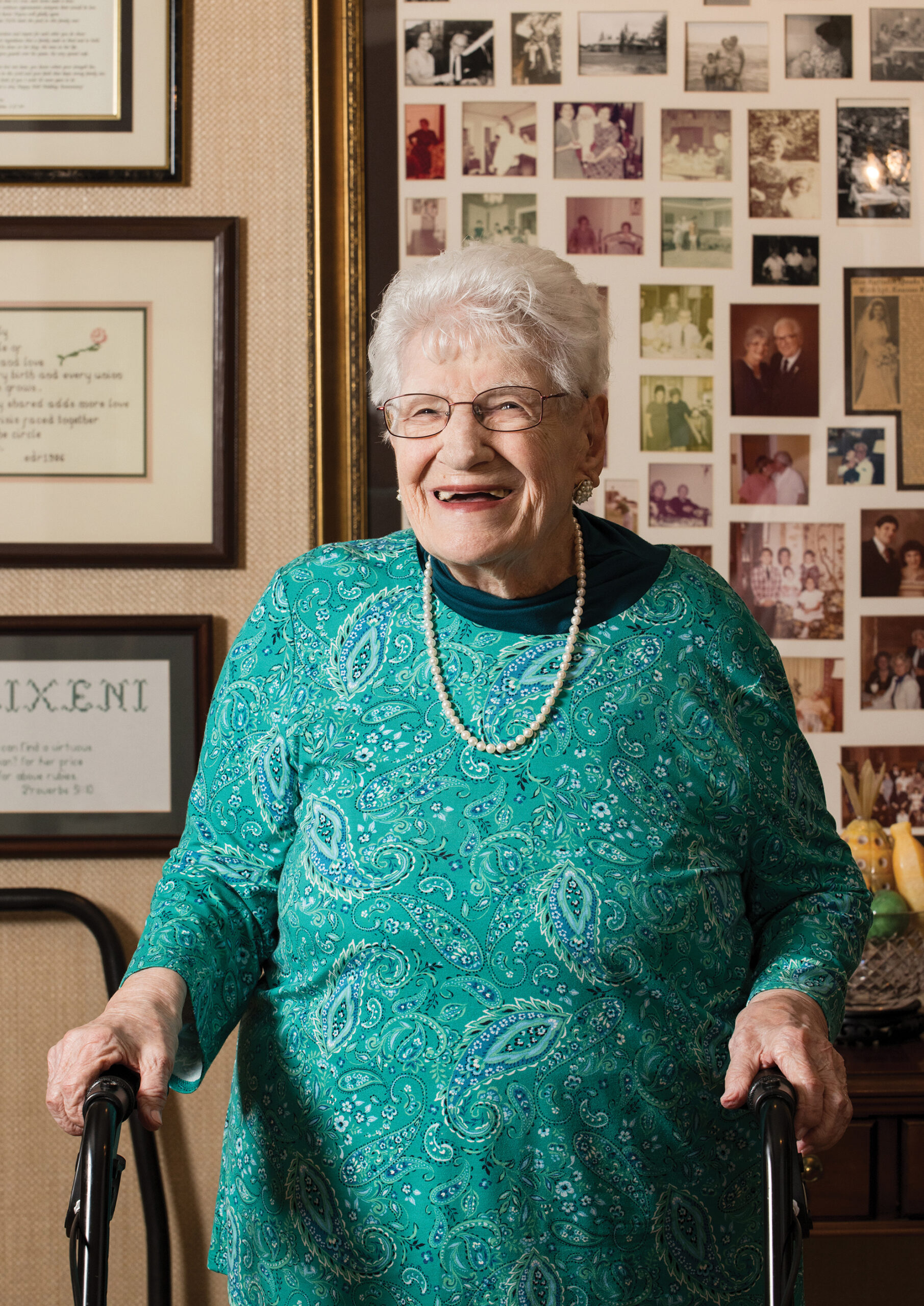
Food, faith and family have shaped these women, the generations before them and the ones that have followed. In her home, Roussos stands before a wall of vintage photographs from decades gone by, a gift from her family for her 40th wedding anniversary. The images capture newborns, weddings, family gatherings, dancing, celebrating and, of course, cooking and sharing meals. In short, the wall depicts exactly what it means to be Greek. As Roussos looks back over the memories, a fond smile finds her lips, followed by a single, reverent statement: “My whole life is right here.”
4 Greek Recipes to Try
Yiaya’s Koulouria
MAKES 24 COOKIES
Ingredients
3 cups flour
1 1/3 teaspoons baking powder
1/3 pound butter, softened
2 1/2 tablespoons oil
2 eggs
2/3 cup sugar
2 1/2 tablespoons sesame seeds (optional)
Directions
1. Preheat the oven to 350 degrees. In a medium bowl, sift the flour with the baking powder. Set aside. Using a stand mixer or hand mixer in a large bowl, cream the butter. Add the oil and continue creaming until well combined. Add the eggs, sugar and sesame seeds, if using, and cream together.
2. Gradually add the sifted dry ingredients to the butter mixture and combine to make the dough. Form the dough into 24 equal-sized balls. Roll each dough ball into a rope, then twist and shape as desired. Place on an ungreased cookie sheet and bake until lightly golden. Allow to cool completely, then serve or store in an airtight container.
Cook’s note: Koulouria is typically prepared as a large ring covered in sesame seeds and served as a street food; koulourakia is the smaller version characterized by its buttery flavor.
Kotopoulo Lemonato – “Roussos’ Chicken George”
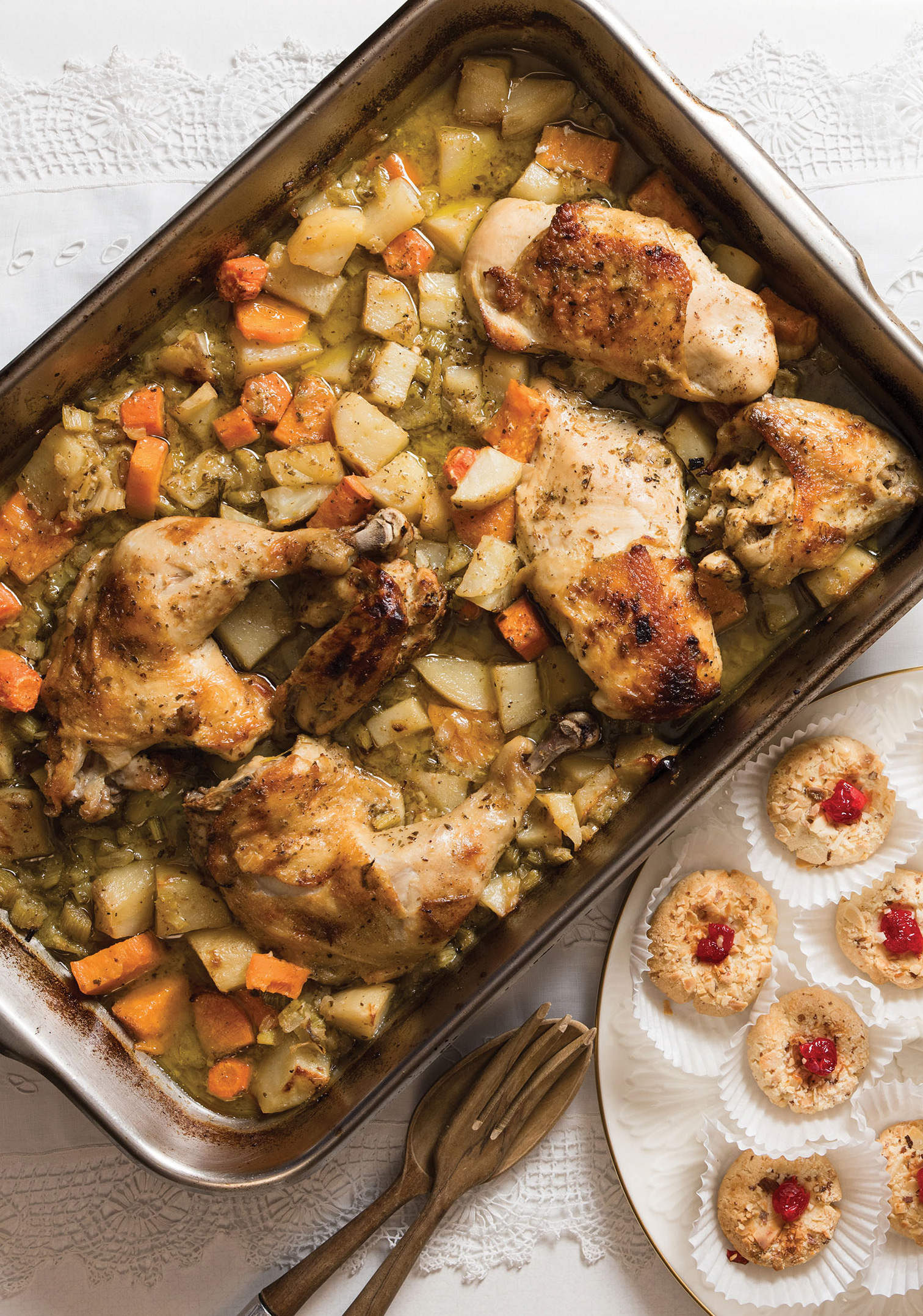
SERVES 4
Ingredients
4 medium potatoes
3 medium onions
4 large carrots
Additional roasting vegetables, optional
1 frying chicken, quartered
1/4 cup olive oil
Juice of 2 lemons
Zest of 2 lemons, if desired
1 tablespoon oregano
1 tablespoon garlic powder
1/2 tablespoon onion powder
2 teaspoons salt
1/2 teaspoon black pepper
Water, as needed
Directions
1. Preheat oven to 350 degrees and set aside a large shallow roasting pan. Peel and quarter the potatoes and onions. Peel and cut the carrots into large pieces. Prepare any additional roasting vegetables as desired. Place the chicken quarters skin side up in the roasting pan. Arrange the potatoes, onions, carrots and any additional vegetables around and between the chicken pieces.
2. To prepare the lemon-oregano sauce, in a small bowl, whisk together the olive oil, lemon juice, lemon zest (if using), oregano, garlic powder, onion powder, salt and black pepper. Pour evenly over the chicken and vegetables. Add enough water to cover the bottom of the roasting pan by about 1/2 inch.
3. Bake for 1 hour, flipping the chicken pieces halfway through the baking time. Baste occasionally with the pan juices and continue baking until the chicken is cooked through and the vegetables are tender and golden. Serve immediately.
Yiaya’s Spanakopita
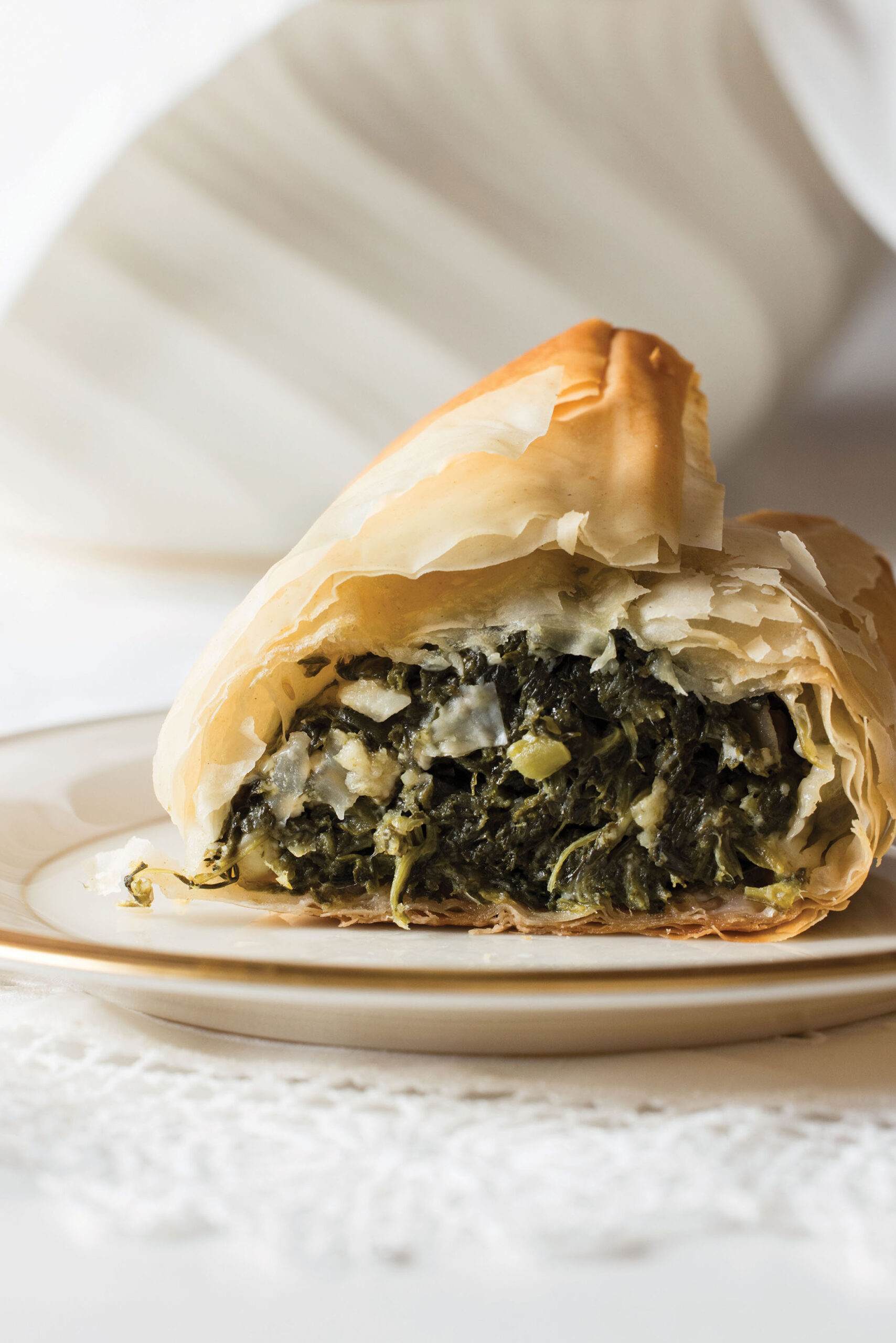
MAKE 30 PIECES
Ingredients
1 pound phyllo dough
2 large onions, chopped
1 head garlic, minced
2 tablespoons olive oil, as needed for sauteing
3 sticks (3/4 pound) butter, melted
1 1/2 pounds feta cheese, crumbled
1 1/2 cups shaved or shredded sharp Parmesan or Romano cheese
8 eggs, beaten
6 10-ounce packages frozen chopped spinach, thawed and squeezed dry
Zest and juice of 1 lemon
Salt, to taste
Black pepper, to taste
Garlic powder, to taste
Directions
1. Preheat oven to 350 degrees and grease a cookie sheet with butter. Set aside. While working, keep the phyllo dough covered with a piece of wax paper and then a damp cloth. The wax paper prevents the phyllo from getting wet, while the damp cloth helps keep it moist and prevents it from drying out.
2. In a large skillet, saute the chopped onions and minced garlic in a combination of olive oil and butter until tender and lightly browned. Remove from heat and allow to cool slightly. In a separate large bowl, combine the feta cheese, Parmesan or Romano cheese, beaten eggs, spinach, sauteed onion and garlic mixture, lemon zest and lemon juice. Season with salt, black pepper and garlic powder to taste.
3. Lay out one sheet of phyllo dough and brush lightly with melted butter. Place another sheet of phyllo on top and brush again with melted butter. Repeat until you have 4–6 total layers of phyllo, brushing each sheet with melted butter. Spoon 1/5 of the spinach filling horizontally along the long side of the stacked phyllo sheets, leaving about 1” at each end without filling. Starting at the filled edge, roll the phyllo one turn toward the top of the layered sheets and away from your body. Fold the right and left sides of the layered phyllo inward to enclose the ends. Continue rolling the pastry away from your body toward the top of the sheets until you have formed a long, enclosed spanakopita roll. Brush the entire roll with melted butter, making sure to coat and seal all sides. Lightly score the top of the roll into six individual slices to make portioning easier after baking, being careful not to cut all the way through the layers of phyllo. Repeat the layering, buttering, filling, folding, rolling and scoring process with the remaining ingredients.
4. Arrange the finished rolls on a cookie sheet, leaving a little space between each roll. Bake at 350 degrees for about 1 hour, or until the phyllo is crisp and beautifully golden brown. Allow to cool slightly, then cut along the scored lines into individual portions. Serve warm or at room temperature.
Cook’s note: This recipe makes 5 large rolls, each yielding six servings. Wrap the extra rolls in aluminum foil, store them in the freezer and cook directly from frozen. Alexandra Theris, Roussos’ granddaughter, tweaked the recipe to make it easy for beginners.
Almond Cookies
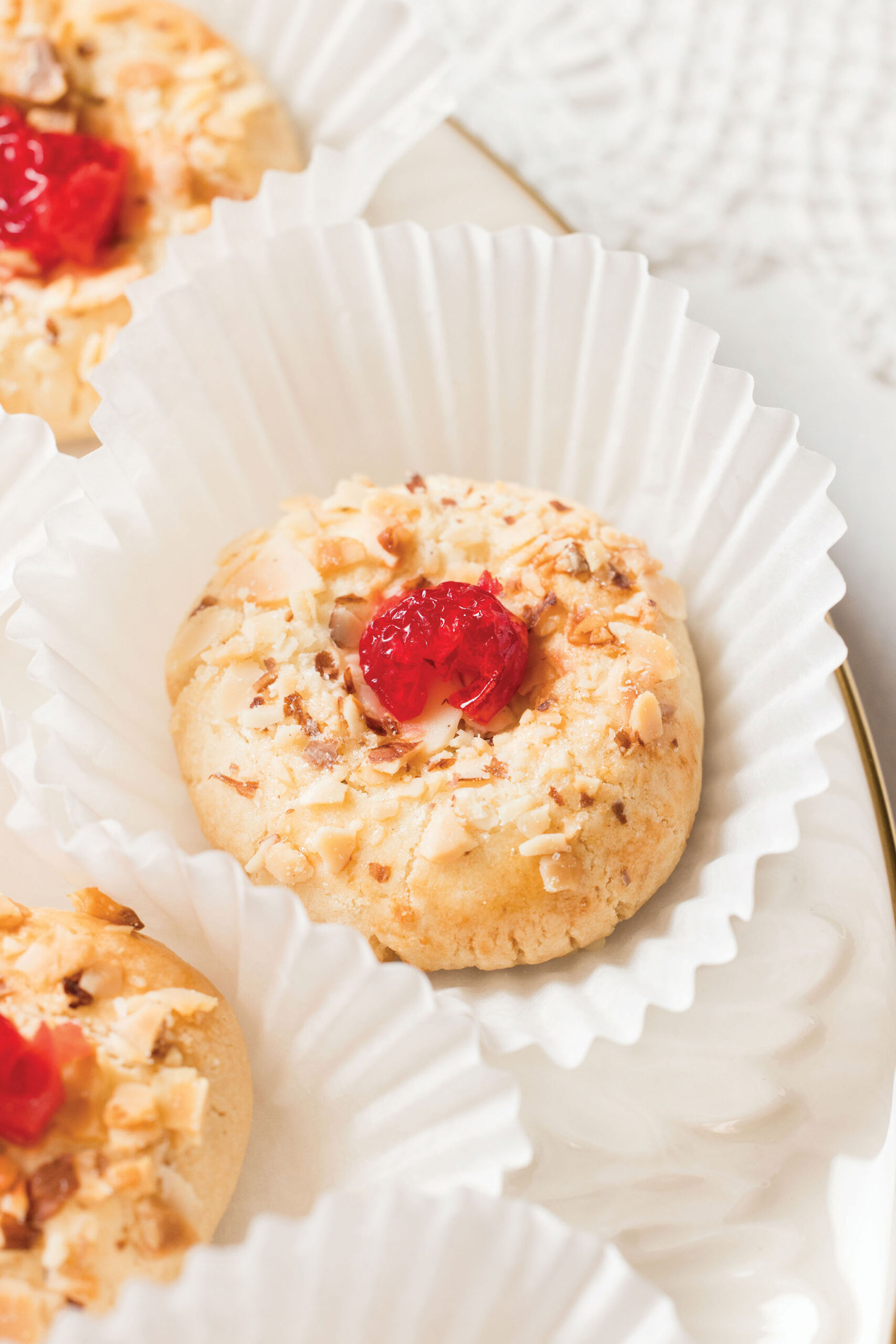
MAKES 56 COOKIES
Ingredients
1 10-ounce jar maraschino cherries
1/2 pound unsalted butter
3/4 cup sugar
2 eggs, separated
1/2 teaspoon almond extract
2 cups flour
1/2 cup almonds, chopped
1/2 12-ounce jar apricot preserves
Directions
1. Preheat oven to 350 degrees. Line a baking sheet with parchment paper and set aside. Slice maraschino cherries in half and drain them on a paper towel. Set aside. Using a stand mixer or a hand mixer in a large bowl, cream the butter, then add
the sugar and mix well. Add the egg yolks and almond extract. Gradually add the flour and mix until combined. In a small bowl, beat the reserved egg whites just until frothy and set aside.
2. Form the dough into small balls. Dip each ball in the beaten egg whites, then roll in the chopped almonds. Place on a baking sheet and make a small indentation in the center of each cookie. Bake until slightly brown. Allow to cool completely. Top with apricot preserves and half a cherry just before serving. Store in an airtight container.
Greek Fest • October 15 – 17, 2026 • greekfestmobile.com