Like any director in a bustling organization, much of Jeremy Schmidt’s day is spent tethered to his office chair by a constant barrage of emails that need attention, planning meetings, conversations with staff — rinse and repeat. But somewhere about halfway through his day, Schmidt breaks away from the indoors and gets his hands dirty — literally.

Bellingrath Gardens and Home’s director of horticulture, Jeremy Schmidt.
Somewhere in the middle of Bellingrath Gardens and Home’s 65 beautifully cultivated acres, he kneels in the mulch near a large winter planting of colorful kale and vibrant dianthus. He’s checking an irrigation zone that he and his team are retrofitting with updated heads. “We’ll be doing this all over the gardens,” he explains, “pushing especially hard into the month of March — so that when the plants are ready for their summer water, we will be ready to pour it on.” A garden like Bellingrath has a lot of sprinkler heads. But he pauses suddenly to delight in the freshly emerging tulips. “Spring is coming,” he says with smile.
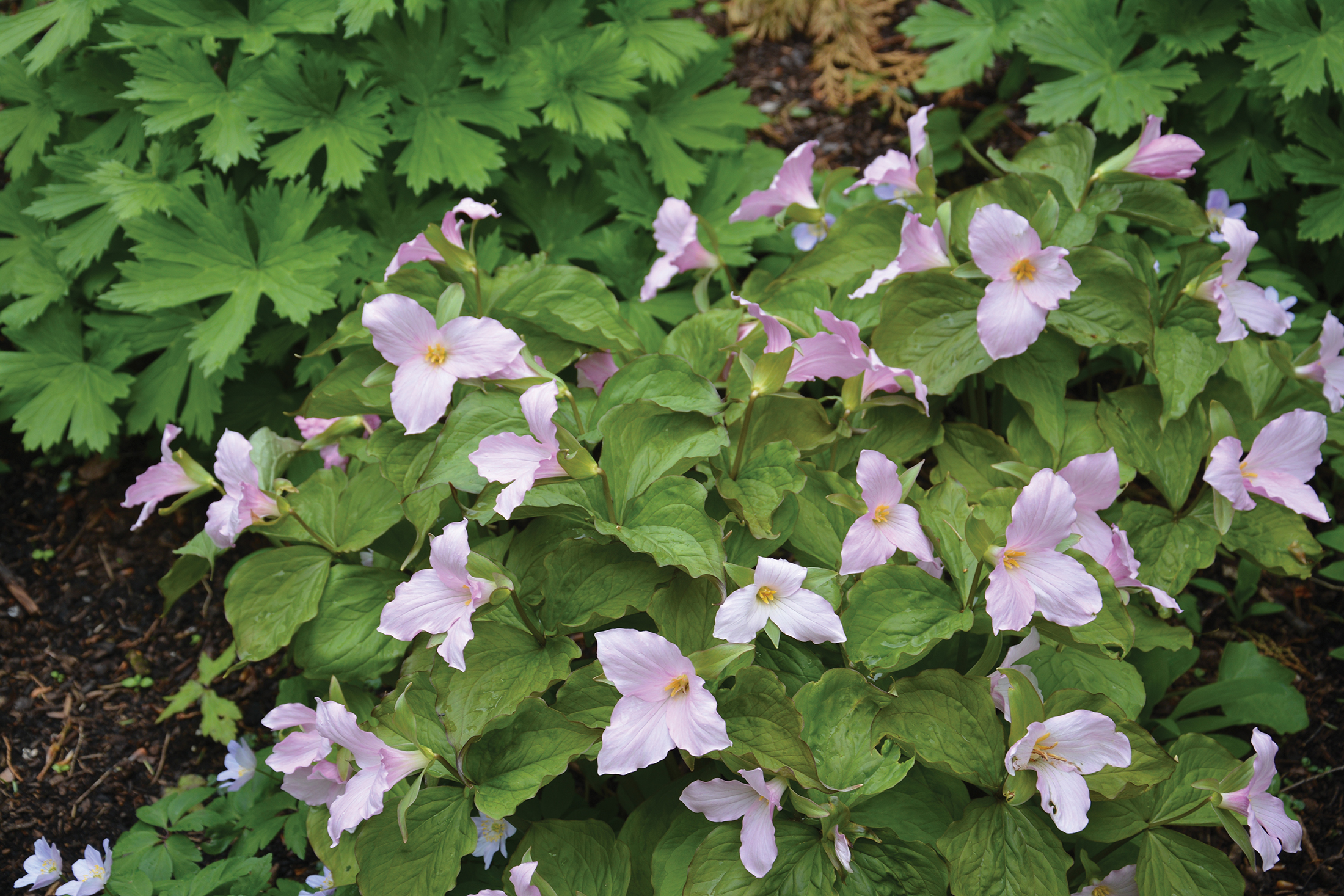
Now the director of horticulture for the gardens, Schmidt arrived to the Bay area in 2023 from Raleigh, North Carolina, where he had been the research and grounds supervisor at Juniper Level Botanic Garden. JLBG boasts one of the largest and most diverse plant collections on earth, and Schmidt spent 15 years there cultivating Trillium (his favorite spring bloom), researching native plant species and building landscapes that promote biodiversity.
But he says that plants first struck his interest when he was a very young boy planting corn in Illinois’ sweet prairie soil with his father, and marveling as it emerged, already arranged into perfect rows. While the flat land of central Illinois, the hills of North Carolina and the marshy banks of Fowl River are three completely distinct environments, Schmidt seems equally comfortable in all three. It seems home is wherever there are plants that need tending, and he certainly has his hands full of them at Bellingrath. The garden’s Executive Director Dr. Todd Lasseigne says, “Jeremy is a brilliant plantsman, a stone expert and artisan, and passionate horticulturist.”
Now let his expertise go to work in your garden, as well! Here he shares what he will be doing at his home garden come March, and what you should be doing, too!
Jeremy Schmidt’s March Gardening To-Do List
Bellingrath Horticulturist Jeremy Schmidt’s best words of advice for spring gardening: Get going! The number-one gardening mistake people make is not gardening. Here is a list of the things Schmidt will be doing in the garden this March that will pay big dividends as the warm season unfolds.
Remove Existing Weeds
Look closely…now is your last chance to easily spot and eliminate weedy tree seedlings and vines that found their way into your garden last year. Don’t cut with a chainsaw tomorrow what you can pull up by hand today.
Prevent Future Weeds
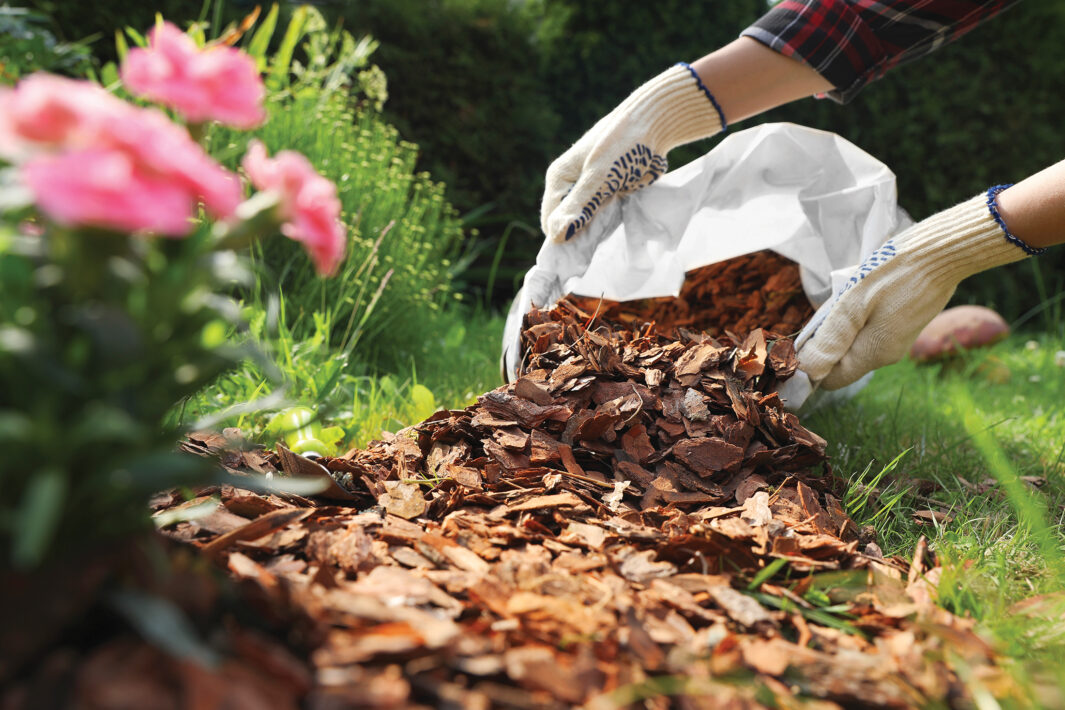
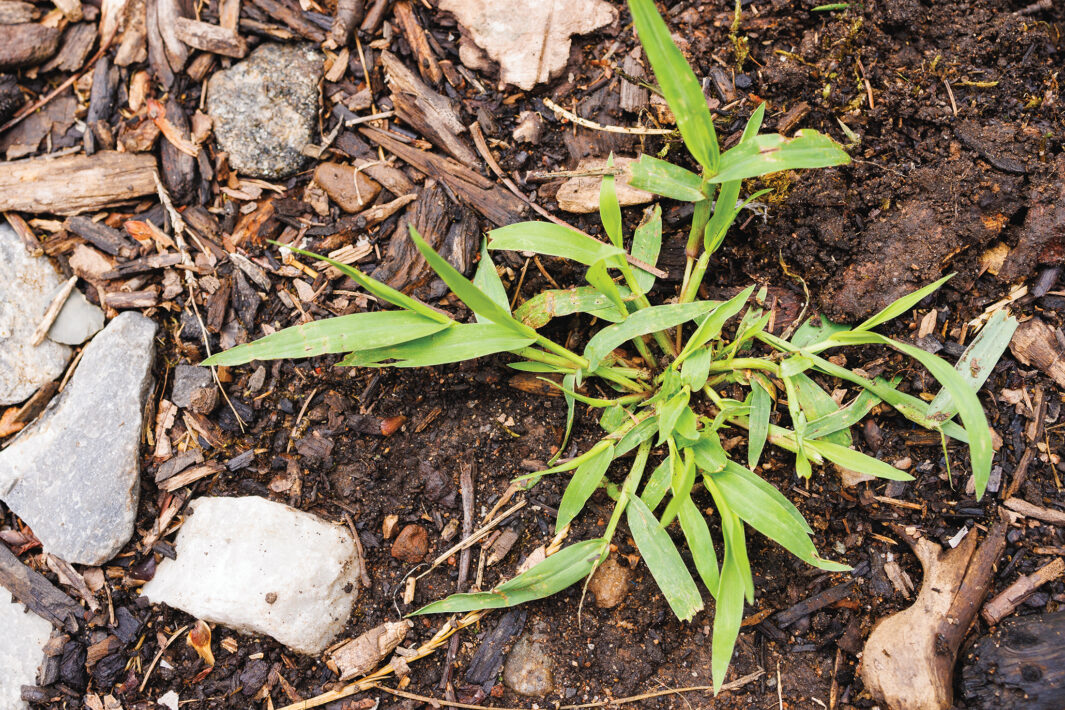
Now is the perfect time to mulch your garden ahead of the warm season. Nearly every warm season annual weed, like crabgrass, spurge and chamber bitters needs a tiny amount of light to initiate germination, so one of the best preemergent weed control treatments is to apply a sun-blocking layer of mulch.
Prune and Trim Back
Remember that cutting back crispy leaves and stems on a plant that has died back to the ground is much like getting a haircut. We get a haircut mainly to customize our appearance. Most dieback perennials would not get a spring haircut in their native habitat, and really don’t care either way in the garden. This is 99% an aesthetic decision, but is one of my favorite gardening activities.
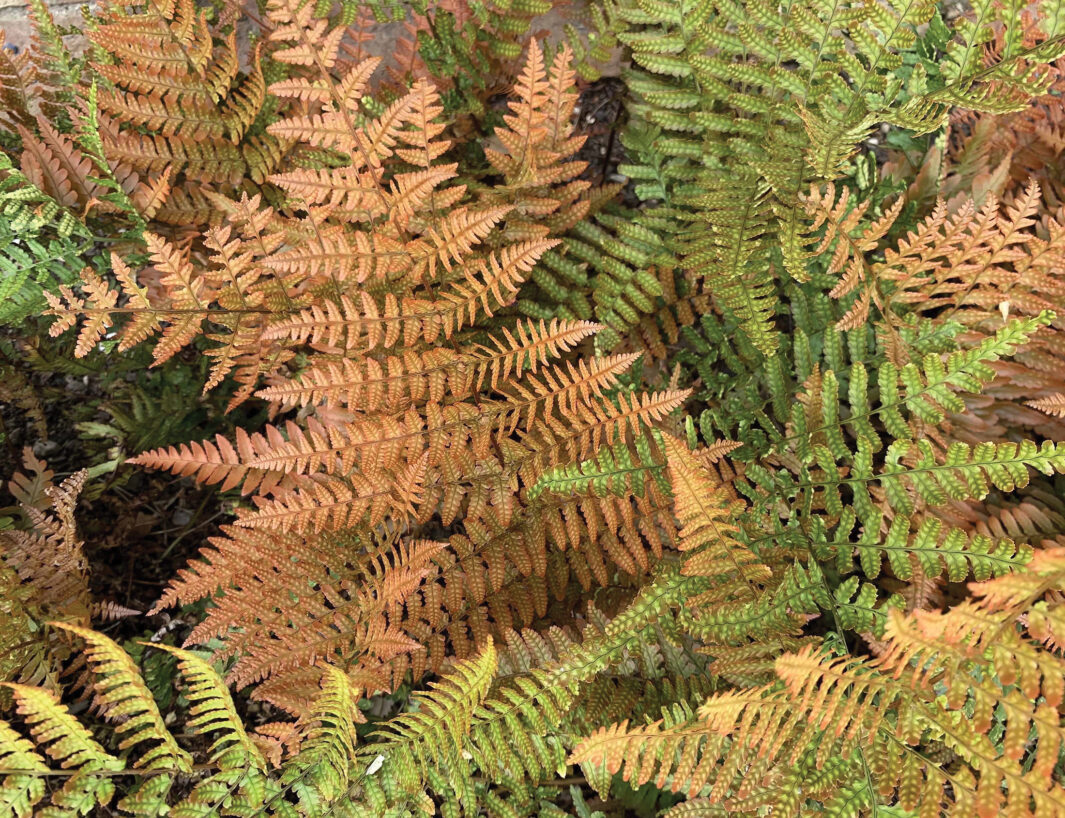
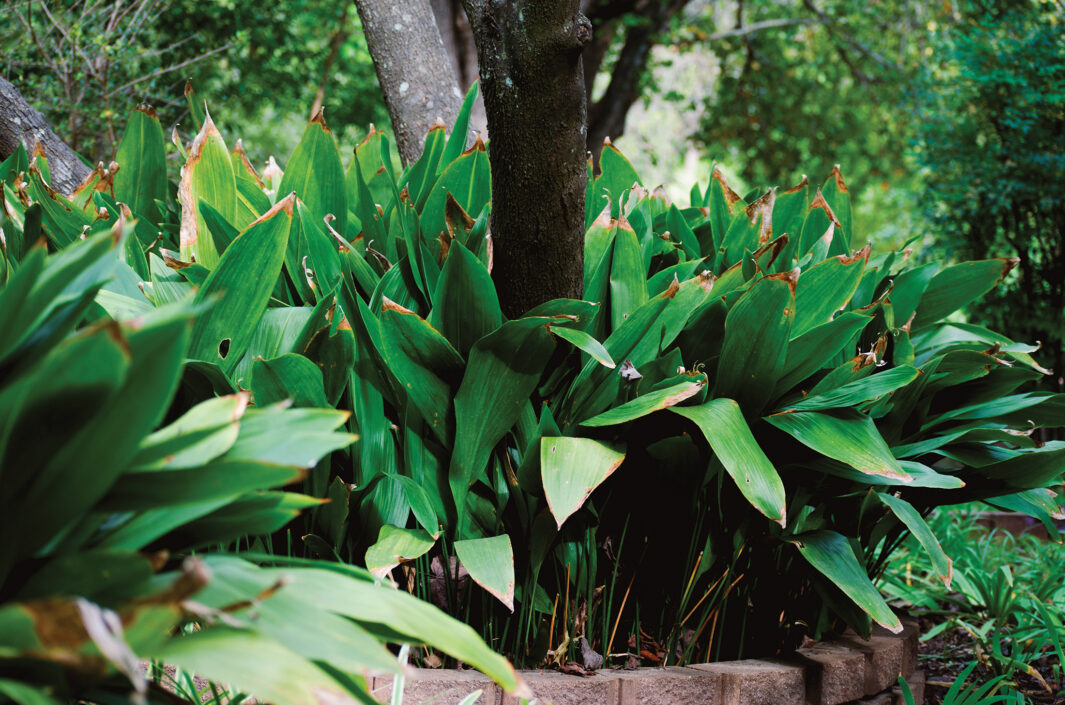
March is a great month to cut back many evergreen perennials now that fresh new leaves and stems are emerging — be careful not to remove any 2026 growth. A great example is autumn fern, relatively common regionally. Cut off all 2025 fronds in advance of the 2026 unfurling. An exception is cast iron plant — most of us grow this in our shade gardens. Wait until the new leaves are mostly grown in early summer before individually and selectively removing damaged 2023-2025 leaves.
Plan for Next Year
Take the opportunity to write down all the things you wish you had done a month earlier, then use it as a reminder next spring.
Look at some of your favorite shrubs and trees leafing out. Sketch what you think they will look like this time next year…this time in five years. It’s fun to imagine your garden growing through time, and it can be very grounding to look back at what you imagined it would be.
Have Patience
It’s easy to plant warm season vegetables too early. Most summer vegetables, like peppers, tomatoes and corn, aren’t hitting on all cylinders until it’s uncomfortably hot outside. I’ve found the best time to plant your summer vegetables is when you see the summer weeds, like crabgrass, start to germinate — you can be certain your weeds are always right on time!
Bellingrath Gardens & Home • bellingrath.org