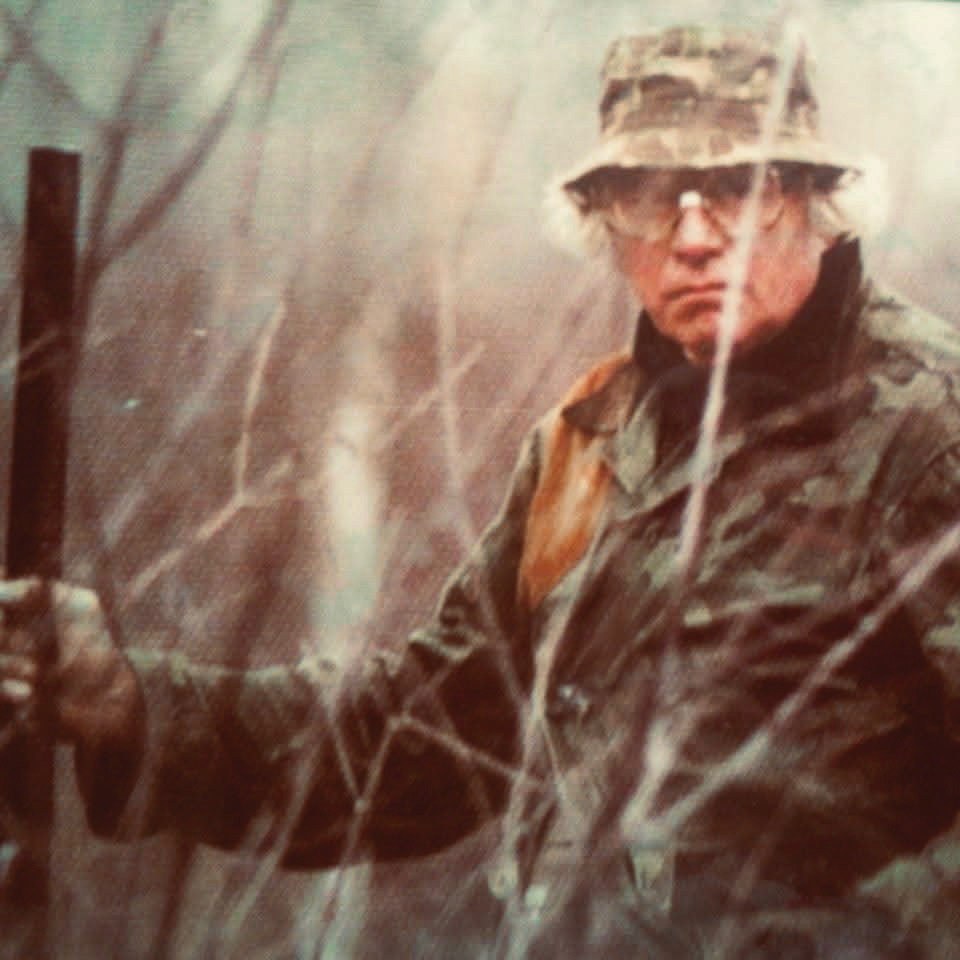
Whatever measures there are for being able to shoot a gun extremely well, William C. “Billy” Perdue seems to have blown right past them all. To say he never missed a shot would be something of an exaggeration, but it wasn’t too far off the mark.
For decades, this adventurous man of leisure put a lot of effort into making the most of his everyday life. Each fall, he was a constant and formidable presence in the abundant hunting fields that existed when our area had many more farms and much more wilderness. And while many in Mobile were unaware of it, he also made a name for himself worldwide as a regular frontrunner in various competitive shooting matches.
A Shooter for All Seasons
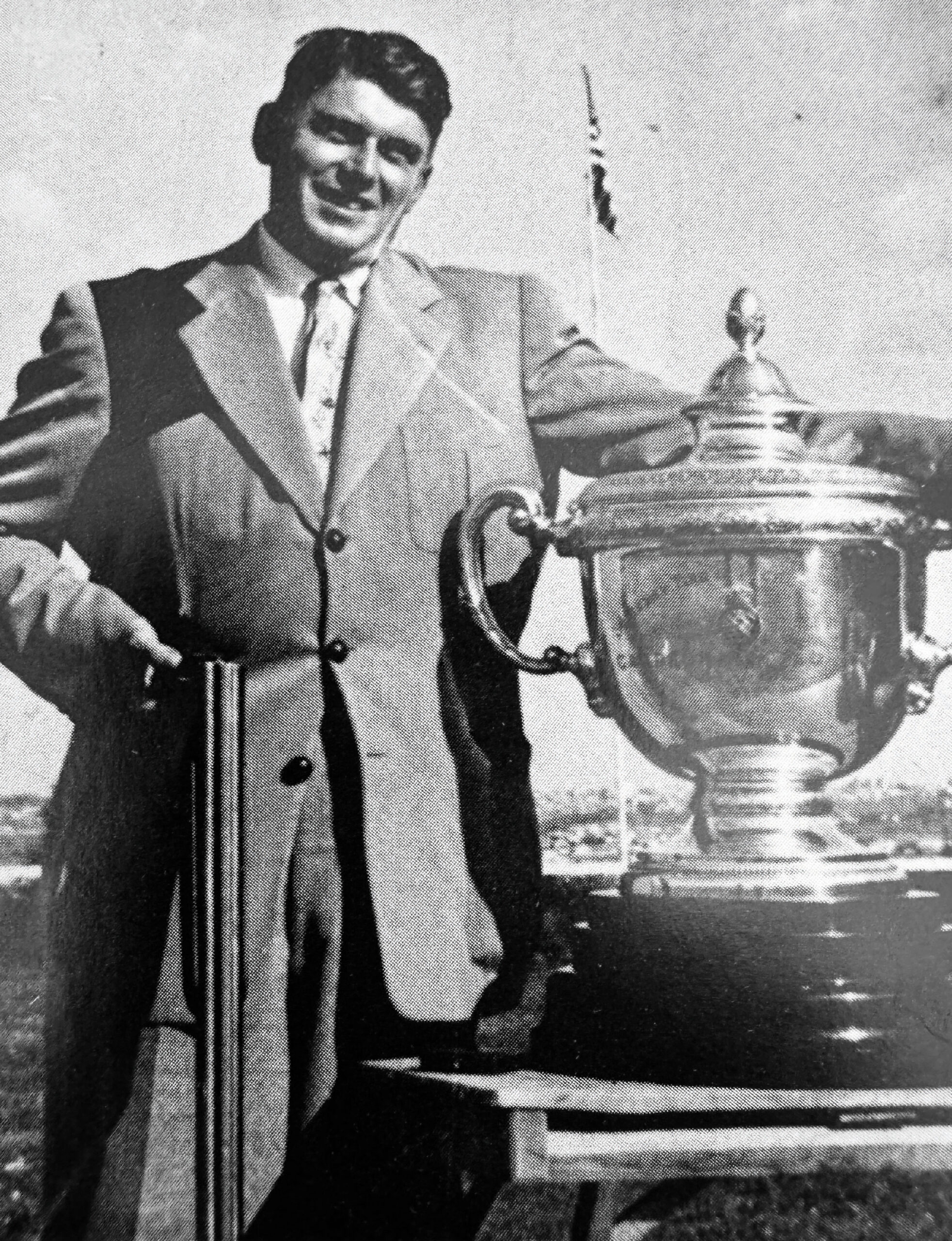
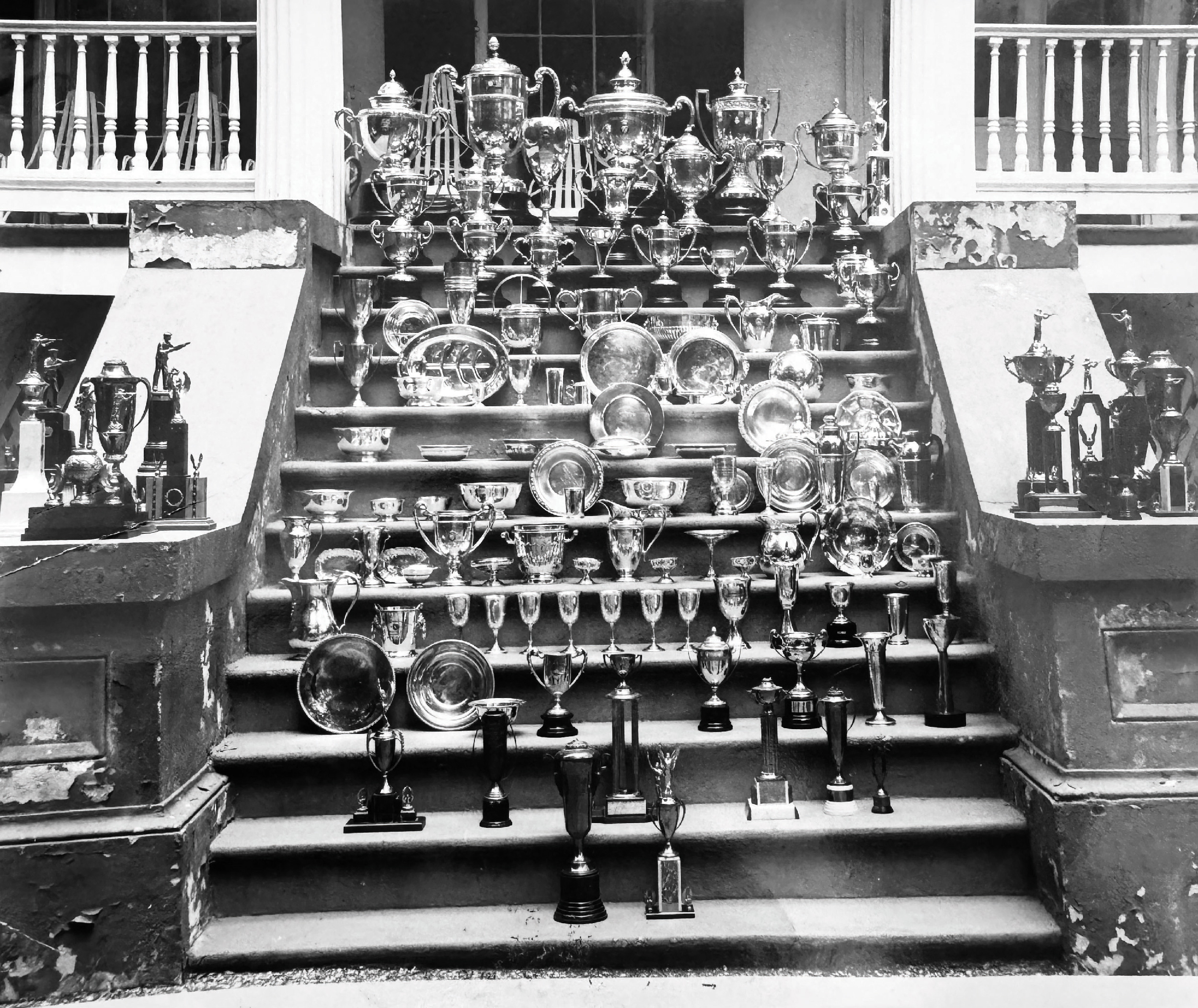
For the better part of 60 years until his death in 1997, Perdue’s marksmanship astounded those who witnessed his skill. A repeat champion in skeet shooting, trap shooting and live pigeon shooting, he had a grand collection of trophies and ceremonial cups to prove it. “To say he was a good shot is an extreme understatement,” says retired federal judge Randy Butler, who was a teenager when he joined Perdue on numerous hunts and freshwater fishing trips in the mid 1950s. “He was something to see.”
Perdue was on the All-American team four years in the 1940s. During World War II, he naturally served as a gunnery officer in the US Navy. After the war, he took up trap shooting, which is considered to be more difficult than skeet shooting as the clay targets move away from the shooter in more unpredictable patterns, rather than crossing horizontally and consistently from either side. He scored 999 out of 1,000 skeet in 1948 and hit the same in trap shooting the next year.
Soon, he was also a top contender in live pigeon shooting. According to a 1979 profile in a magazine called The American Shotgunner, Perdue broke 99 out of 100 clay pigeons in his first competition ever (at the Atlanta Gun Club) and later shot 200 out of 200 to win the North American Clay Target Championship. He also won championships in Dallas and Kansas City and is credited with killing 25 birds in a row on 134 different occasions and once bagging 127 straight at a match in Pennsylvania.
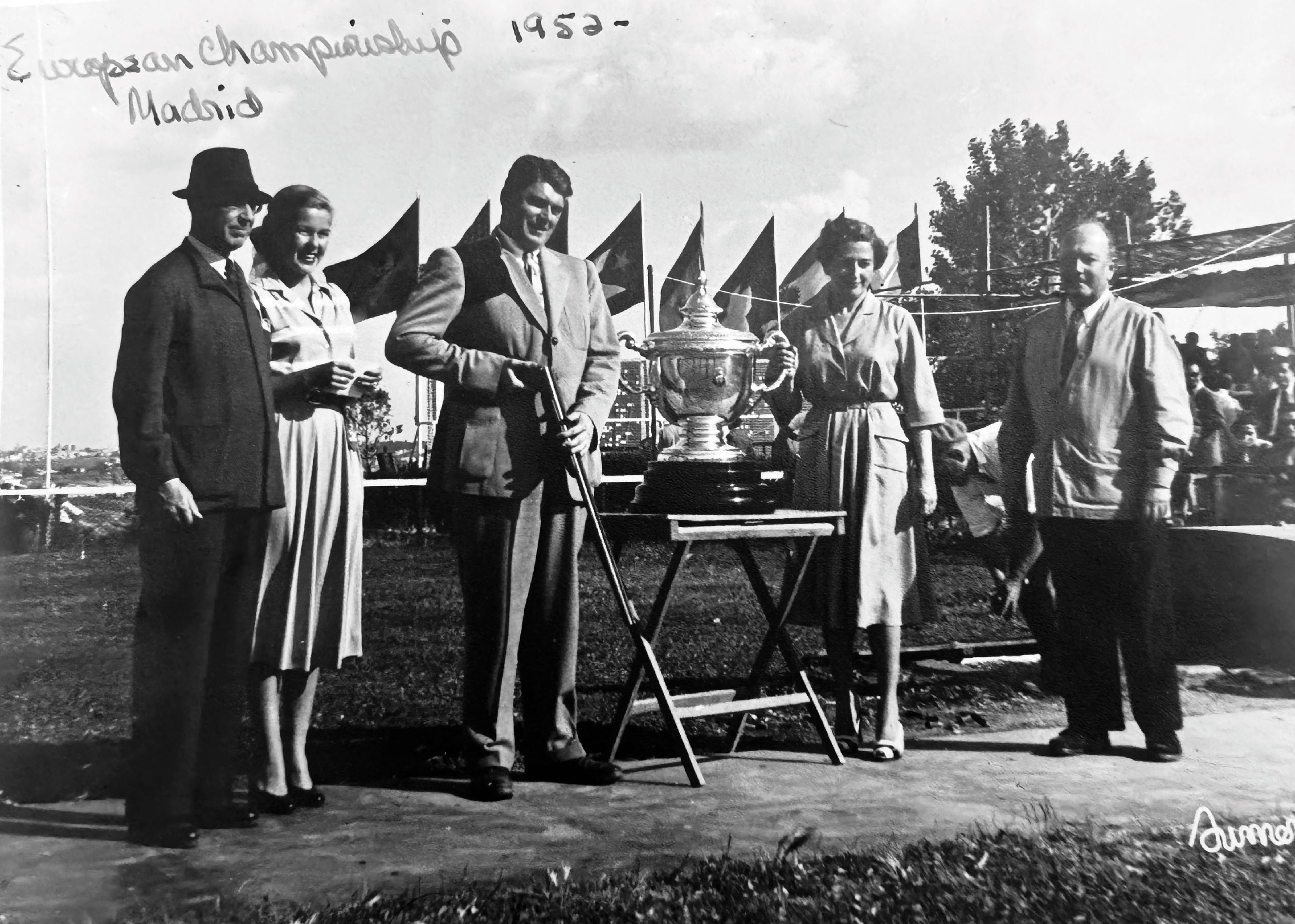
Taking his talents overseas, he won the coveted European Championship in Madrid, Spain, in 1952 by felling 20 of 20 pigeons and then 10 more consecutively in a shoot-off. This set him on a path of successfully competing each spring and summer while enjoying extended and luxurious vacations throughout Spain and in other places that included Italy, France, Belgium, Portugal, Morocco, Cuba and Mexico. Friends say that though Perdue always seemed to enjoy a comfortable level of wealth, the prize money he picked up along the way would help to finance the elevated but unpretentious lifestyle he enjoyed.
Pigeon shooting has a respected history dating to the late 1700s in Europe and the early 1900s in America. “In Europe back then, it was incredibly popular, and it was an elegant affair,” says Guy Avedisian, a competitive shooter based in central Florida who wrote the 1979 feature story on Perdue. As such, Perdue and the other contestants would showcase their skills before crowds that might well include royalty and other dignitaries. “There were betting pavilions associated with the shooting and the restaurants that were attached to the gun clubs had white-linen tablecloths,” says Avedisian. “To this day, there are some great clubs in Spain.”
On the Homefront
Back at home, Perdue had a reputation as a tremendous outdoorsman with a passion that may have been unmatched. “Everybody aspired to have as much fun as he did,” says Steve McCoy, a friend who owned and operated McCoy Outdoors Co. for 25 years starting in 1975. “The story goes that he only worked a day in his life, that he was told he would have to wear a necktie, and he said, ‘No thanks’ after the first day, and that was the end of it.” At some point later, “His wife asked him, ‘Billy, do you have to do something fun every day?’ He said, ‘Of course. That’s what I live for.’ And he did,” McCoy says. “The only thing that would stop him was maybe the weather.”
Perdue was an avid golfer, too, so he still spent time outside frequently when the birds weren’t in season. Fishing was another strong interest, and Butler has clear memories of accompanying him in a small wooden boat, fishing for bass on various creeks in the northern reaches of Mobile County and also in Bayou Heron just across the Mississippi line. But much of their time together included duck hunting in the muddy flats of the Tensaw Delta or shooting doves from the open skies in what was then a mostly rural area on the western edge of Mobile. “Back then, dove fields were everywhere west of Hillcrest, probably, and out towards the airport, whether you went down towards Grand Bay or whether you went up towards Citronelle,” says Butler. “There was lots of farming, lots of agriculture and no subdivisions, no schools or shopping malls. There were cornfields everywhere, so there were lots of doves in West Mobile County and right across the Escatawpa River in Mississippi.” And though he doesn’t recall accompanying Perdue across the Bay, he knows that Baldwin County offered many more acres of fruitful farmland that Perdue would frequent.
He describes how he and Perdue would quickly construct a hunting blind from materials they would find on the scene, such as corn stalks, brush and parts of shrubs. He believes that besides his dazzling accuracy with a shotgun, the placement of these blinds was another key factor. “He knew how to size up a field and where to position himself,’ says Butler. “A lot of people hunt from the fence rows, but one of the things I learned from Billy is that when you’re in the middle of the field you’ve got a 360-degree radius to shoot a bird.”
Because many of the areas that offered good hunting were just an easy drive away, some of Perdue’s friends who were businessmen would slip away and join him for an afternoon outing when they fell to the temptation. “I couldn’t go very often because I was running my business, but he’d want to go every day and was always looking for somebody to go with him,” says McCoy. “He didn’t enjoy the big, organized dove shoots as much as just him and a buddy going. That was his idea of an afternoon of sport.”
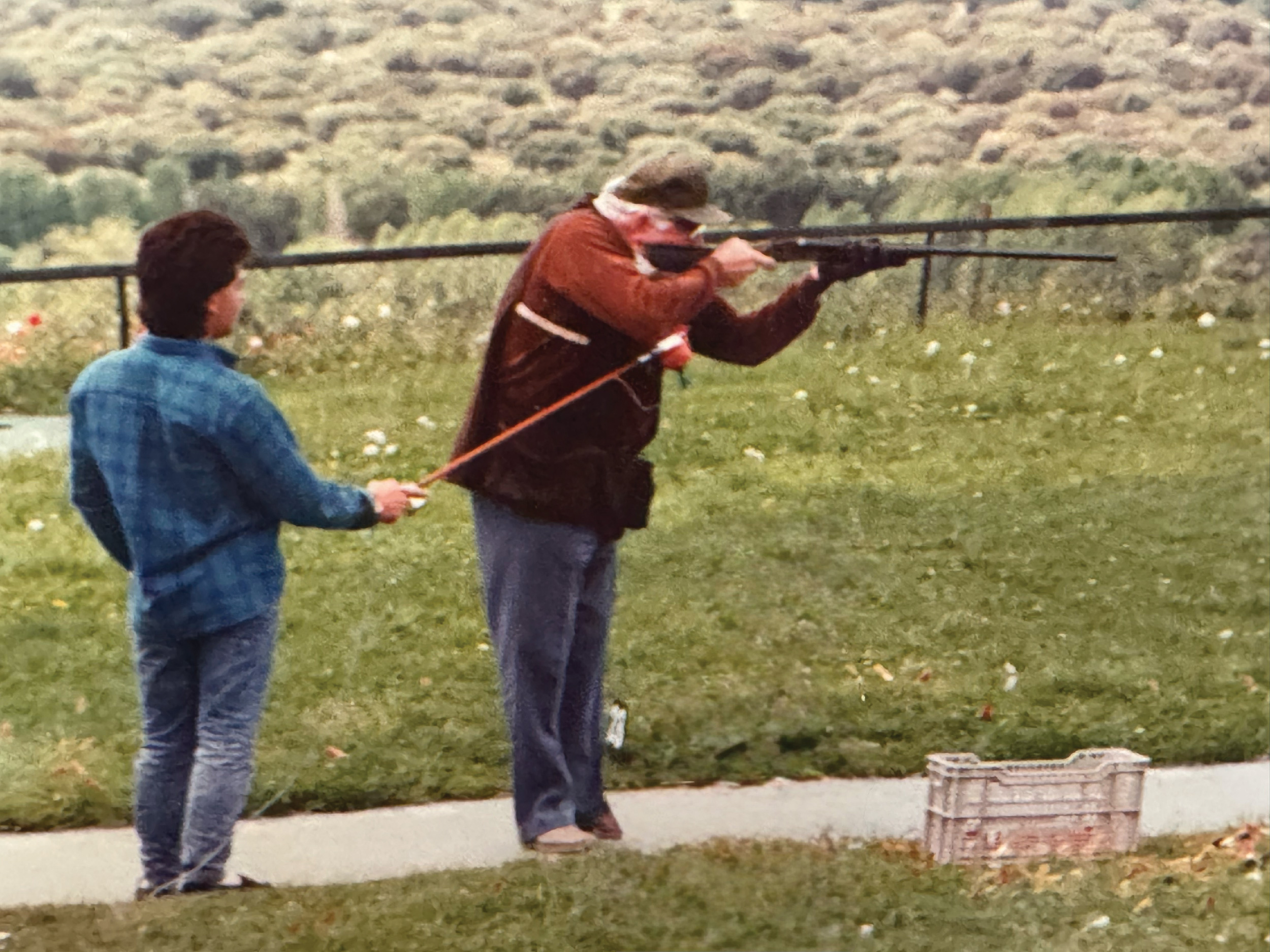
McCoy would maintain and help modify his friend’s firearms, too. Perdue had started his competitive shooting career using Winchester shotguns before migrating to English-made Purdey guns for several years. For competitions, he later favored a 12-gauge side-by-side crafted in Italy by the prestigious gunmaker Fabbri. It was presented to him as a gift, McCoy says, but surely they knew it would have high promotional value in Perdue’s expert hands. McCoy described it as not being nearly as decorative as some of the high-end shotguns the company crafted. “Billy liked the function of the gun, not the beauty of the gun,” says McCoy, and he would constantly adjust them. That sometimes involved physically bending the barrels upward so it would shoot higher, more in line with how Perdue naturally viewed his targets. “Most people wouldn’t dream of doing that, but Billy was always tinkering with his guns and trying to improve his shooting even though he was one of the best shots in the world,” says McCoy. It was a process that involved some trial and error, he adds. “You’ve got to bend them a little bit, try and see where the point of impact is, and then you bend it some more. And then when he got ready to sell one, he’d bend it back straight.”
Local Legend
Also a voracious reader, a renowned raconteur and a lover of wines, Perdue was able to live his charmed life partly because of success with real estate, friends say. The antebellum home on South McGregor Avenue known as Carolina Hall (and sometimes called Yester House) was his family’s residence for many years, and he sold off a sizable number of acres that would be developed as the Yester Oaks neighborhood. Despite the status he achieved, he managed to keep his profile fairly low. Butler remembers that Perdue drove a Volkswagen bus on their hunting and fishing trips, and McCoy describes another modest one from years later. “He had an old Chevy van for his hunting car, and he enjoyed wine that was reasonably priced but of excellent quality. He didn’t live extravagantly, and he didn’t draw attention to himself.”
However, attention still found him. He entered the National Skeet Shooting Association’s Hall of Fame in 1975. And he seemed to enjoy and appreciate the local recognition that came his way when he was welcomed into the Mobile Sports Hall of Fame in 1992. As part of a detailed profile he wrote for the occasion, the late Danny Dumont offered this assessment of his longtime friend and hunting partner: “If the shooting sports he engaged in were televised events like baseball or football, he would be a national icon along the lines of Bear Bryant or Arnold Palmer.” McCoy attended the induction ceremony at the Riverview Plaza Hotel in downtown Mobile and recalls some heavy hitters being there, including the great Hank Aaron. That’s not surprising considering that the home run leader’s brother, Tommie Aaron, also an accomplished big-leaguer, was enshrined at the same time as Perdue. “I think Billy was quite proud of that, being a member of the Hall of Fame,” says McCoy. “It was an honor for him.”
Perdue became the first inductee whose sport was shooting and 34 years later, he remains the only member (out of 154) with that particular skill set as his claim to fame. That seems fitting because, as McCoy says, “He was one of a kind, no doubt about it.” That description seems to apply to other areas of Perdue’s extraordinary life besides his masterful shooting skills.