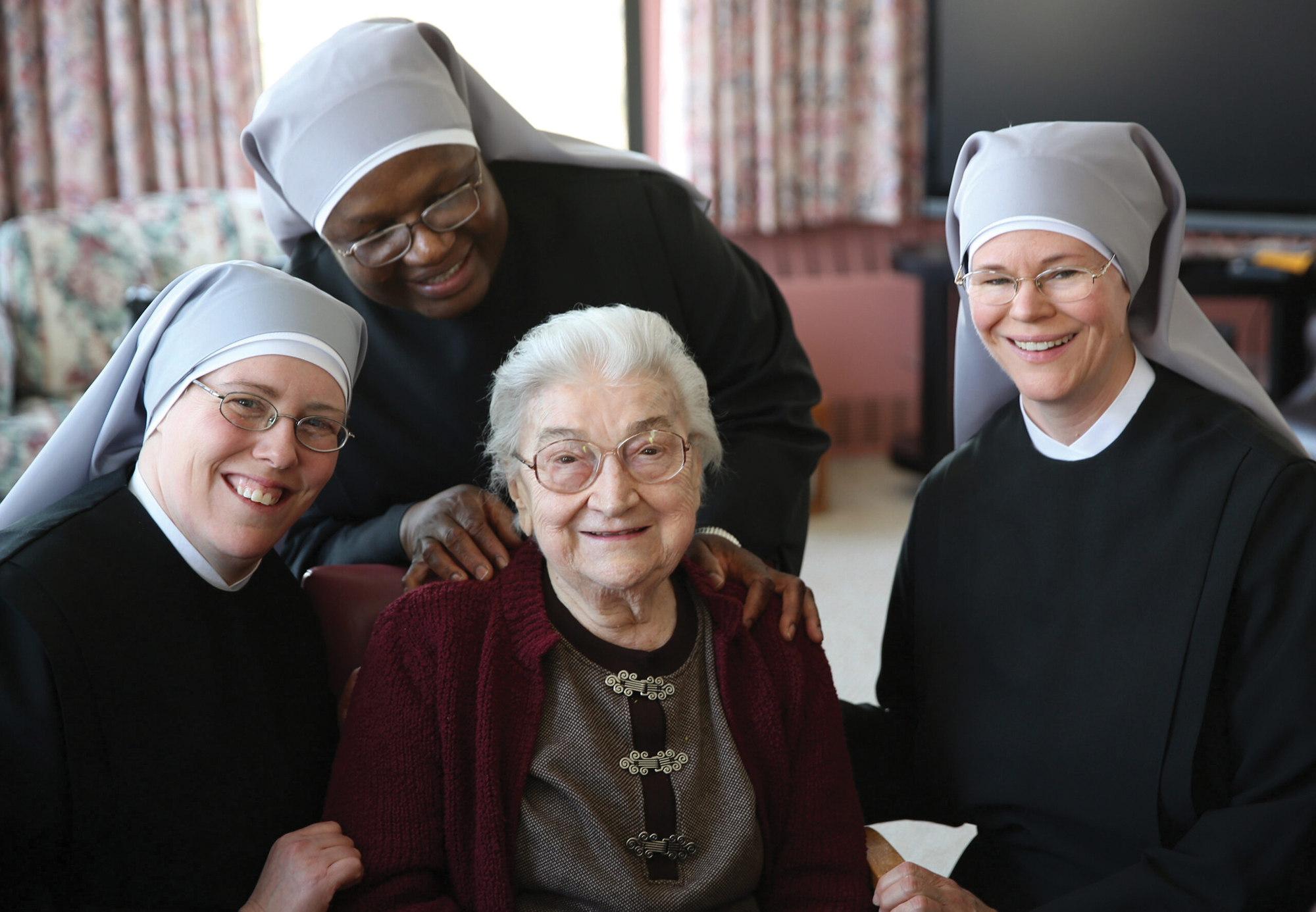
Sister Cecilia doesn’t play guitar much anymore, but she still loves to sing. Sometimes she and her 103-year-old mother spend a little time harmonizing at the Sacred Heart Residence in midtown Mobile, where they both live.
Cecilia, who is in her mid-70s, has dedicated her adult life to serving the Catholic order Little Sisters of the Poor. Her musical abilities led her there in her hometown of New Orleans, where she would entertain at nursing homes and churches. She was particularly drawn to the senior citizens she encountered and got to know.
“I was in a group that played folk music back then,” she says. “We did lots of Peter, Paul and Mary and Simon & Garfunkel songs.” Yes, the song “Cecilia” was part of her repertoire, but that’s just a coincidence. She went by her given name in the late 1960s until the Church rechristened her as Sister Cecilia when she became a Little Sister in 1972.
She is one of nine nuns, including Mother Superior Sister Margaret, assigned to the spacious, three-story brick structure at the corner of McGill Avenue and Monterey Street. Their jobs are to provide spiritual comfort and a comfortable place to live to men and women of all faiths who are in need and are 65 and older.
“Our main mission is caring for the elderly of low income and believing that Christ is in each one of us, every person that we meet,” says Sister Cecilia. “We’ve taken a vow to serve these people and to try, by our example and our kindness and our acts of charity, to serve them and provide them with the respect and compassion that they are so deserving of after all their years.”
Each of the religious sisters has specific areas of responsibility, and Sister Cecilia’s is raising funds and supplies to keep the operation going. While many Little Sisters of the Poor locations around the world have shut down, the one in Mobile appears to be going strong, at least for now. This year, it celebrates its 125th year of continuous service at the same location. An issue that they are facing worldwide is that many of the sisters themselves are elderly, and there aren’t very many younger ones stepping in to follow in their graceful footsteps.
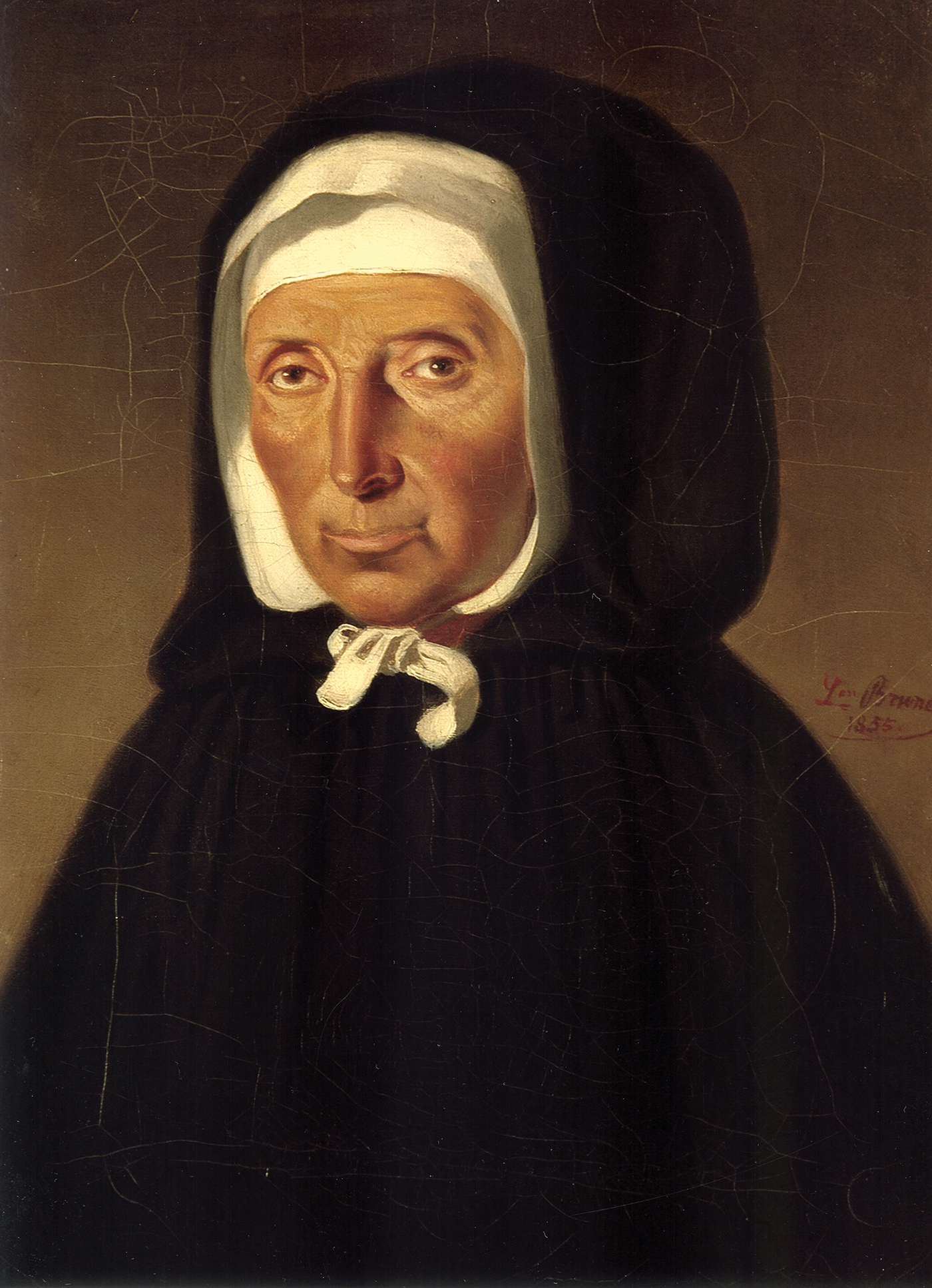
The charity organization’s guiding light (and literal patron saint) is the late Jeanne Jugan. Also known as Sister Mary of the Cross, she founded the group in the Brittany region of France in 1839 after coming across a destitute, disabled woman who was suffering outdoors on a bitterly cold winter night. According to historical accounts, Jugan opened not just her heart but also her apartment, offering the woman her own bed as Jugan slept on the floor. Soon, others came knocking to ask for assistance, and Jugan answered their calls, too. She made taking care of the elderly poor her life’s work until she passed away in 1879.
One of Jugan’s most notable acts in caring for the poor was begging for the needed supplies and support for those in her care. She famously carried a basket and petitioned the community for assistance to fulfill her mission. Sister Cecilia doesn’t carry a basket like her famous predecessor did, but she does carry on the tradition of asking for help — and getting it. She visits churches and businesses seeking donations, a longstanding custom in the order dating back to the 1800s. One longtime benefactor for the Mobile order is Big Charlie’s Produce on Halls Mill Road, which has helped to feed the residents and staff for many years. “We go every week and get all of our produce for free,” says Sister Cecilia. “They let us come every week, and we give them a list.” Other fundraising efforts serve to supplement this generosity and offset expenses. Every fall, the Little Sisters in Mobile hold a festival-like fundraiser called the Lawn Party that helps to pay the bills. Another significant event toward their financial well-being is a springtime golf tournament organized by Dr. David Bronner, the longtime head of the Retirement Systems of Alabama.
Two statues of Jugan grace the Sacred Heart Home in Mobile, one in a beautiful courtyard and the other inside the first-floor chapel where Mass is held daily for residents and visitors. The ground level also has administrative offices, kitchen facilities, dining halls and an inviting space that doubles as a library and meeting room. The Little Sisters’ convent is on the third floor, while the lower floors house about 65 residents. Of those, around 50 are in more traditional private rooms, in a pleasant environment receiving careful attention from healthcare professionals. The western end of the building has 17 new apartments, completed in June, for elderly people who have fewer physical needs, allowing them be to more independent.
“People have a lot of misconceptions about what we do,” says David Hyland, who is development director for Little Sisters of the Poor in Mobile. “We’re not a nursing home, we’re not a hospital and we’re not a retirement home for priests and nuns.” Instead, he describes the Sacred Heart Residence as a warm and caring community. The staff includes nurses and certified nurse assistants, physical therapists and dietary specialists. The kitchen staff prepares three meals a day, and residents can enjoy them — or not — in one of the dining rooms. There are common areas for group activities, but, again, no one is required to take part. “The residents aren’t just lying in their beds; they’re living their lives here,” says Hyland. “They are free to come and go, and they are free to invite people to come and visit them, and many people do.”
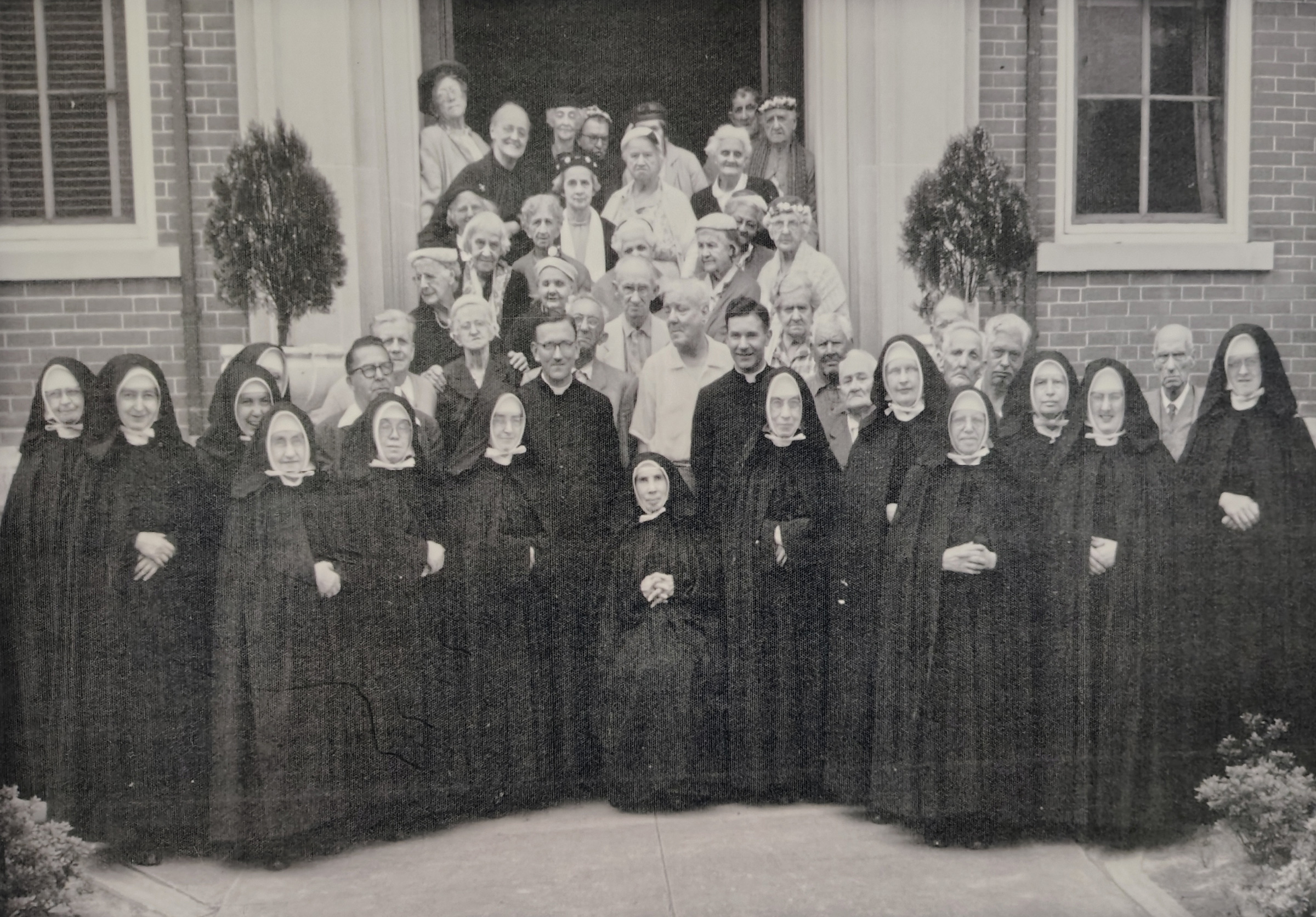
Those visitors include a legion of volunteers, as many as 500 over the course of a year, eager to lend a helping hand. Most assist with the big outdoor fundraising event, but others work day to day to help keep things running smoothly. “We have a group that comes in every Monday and Wednesday to peel vegetables,” says Hyland, “and other volunteers show up in the mornings to make beds.”
Opened in 1976, the current Sacred Heart Residence turns 50 this year. It’s the third Little Sisters home on the same parcel of land since the order was established here in 1901. At first, it occupied a renovated mansion known as the Hannan Home for the Aged and Infirm. A much larger brick structure served residents for more than 60 years, starting in 1913 before being replaced with the newer one. Like most Little Sisters of the Poor facilities, it was built to accommodate many more residents than it does now. While the changes are concerning for the Catholic charity order, they make for a better quality of life for those who call it home today.
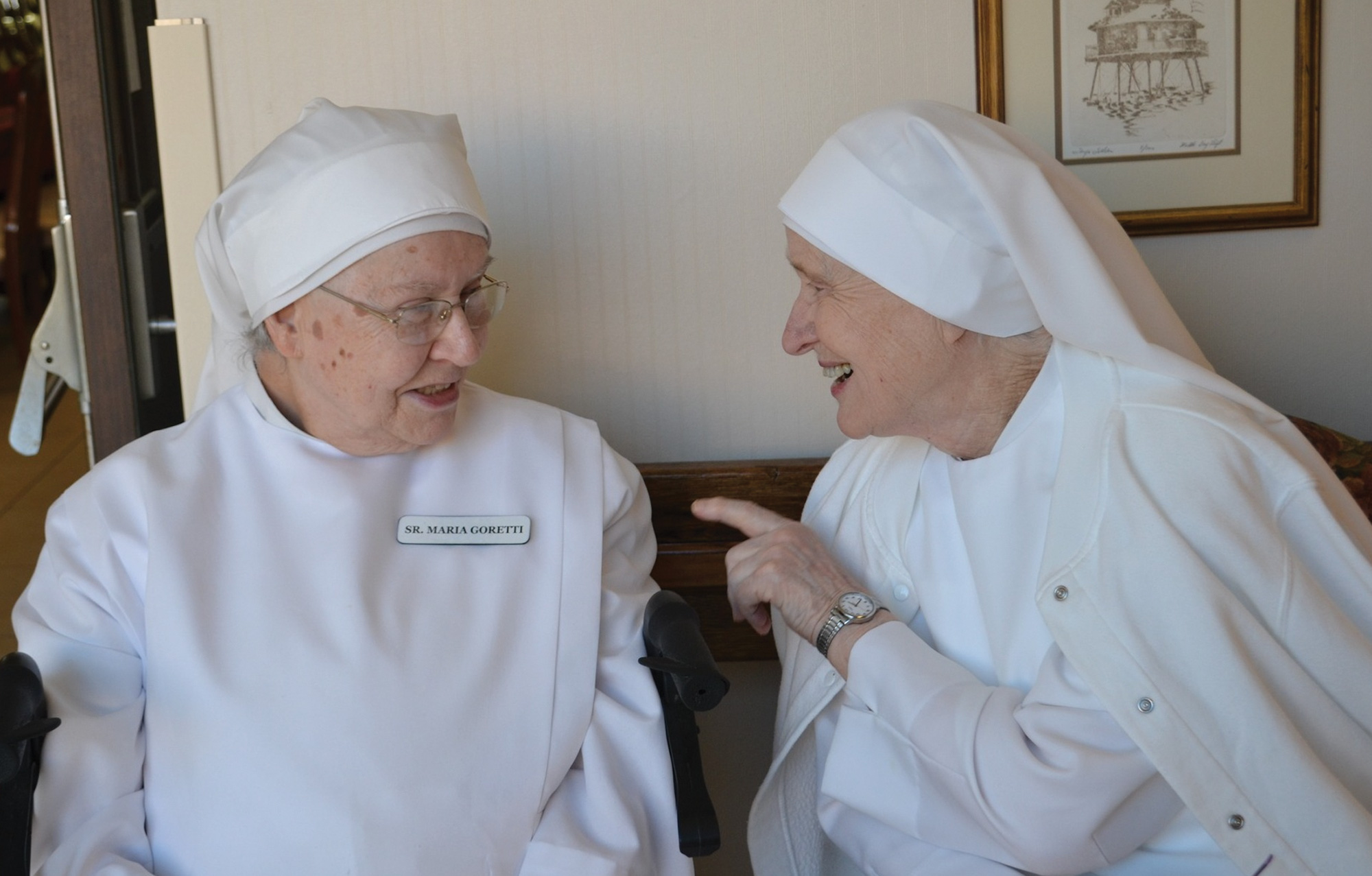
“All of our homes were very big, made for 300 people,” says Sister Mary Imelda, who is second in command in Mobile. She joined the order 58 years ago when she was just 17. The sisters tend to move around a lot, going to different places every few years where their services are needed. Like Sister Cecilia, this is her second stint in Mobile. She recalls that when the homes were more crowded, residents typically lived two to a room, with just a bed and a nightstand to call their own. As the number of sisters dwindled, they began accepting fewer residents so they could give each of them more individual attention.
“As poor as you may be, you want to have a place where you can enter and close your door and say, ‘This is my home,’” says Sister Mary Imelda. “It’s just the respect that you can offer that individual, to give them their space and privacy.”