Lots of boats drift through the Jimmy Buffett songbook, making themselves a significant part of his music’s allure. They did so in his personal life, too. Being on the water was vital to him from an early age and remained so over the course of his countless adventures.
And though he loved many different kinds of watercraft, each of them had to be truly special for the entertainer and entrepreneur to call it his own. His continual quest for that next great vessel led to personal hands-on collaborations with some of the nation’s most skilled and prominent boat builders. That’s how he crossed paths about 25 years ago with Jim Bronstien, who is now part-owner and board chairman of Saunders Yachtworks in Gulf Shores. He could tell right away that Buffett certainly knew his way around a boatyard and felt entirely at home on and around the docks.
Back then, Bronstien owned and operated the prestigious Rybovich facility in West Palm Beach, Florida, which was not only a large, active boatyard but also a private marina and custom-boat manufacturer with a hallowed history dating to 1910. The unexpected new client with the famous friendly face eased into his office one day wanting help with a project.
“He had bought an old, used lobster boat somewhere in New England and was shipping it down so we could bring it back to life, basically,” Bronstien remembers. “When it showed up, I saw that it was in really rough shape, so I told him I didn’t think it was a great idea, but I would do it if that’s what he wanted to do.”
Buffett appreciated his honesty and frankness, he says, and before long he would entrust the service of his yachts — a 62-foot Nordhaven, a 90-foot Cheoy Lee and a 125-foot Delta — to Bronstien’s facility. As their casual relationship grew, they kicked around other ideas, including the design and construction of an innovative 42-foot sportfishing boat. Their stunning collaboration would be christened Last Mango in honor of a Buffett song and album called “Last Mango in Paris.” Sixteen years later, another spectacular boat with that same name would make an even bigger splash, but the earlier Last Mango was both a head-turner and a trendsetter.
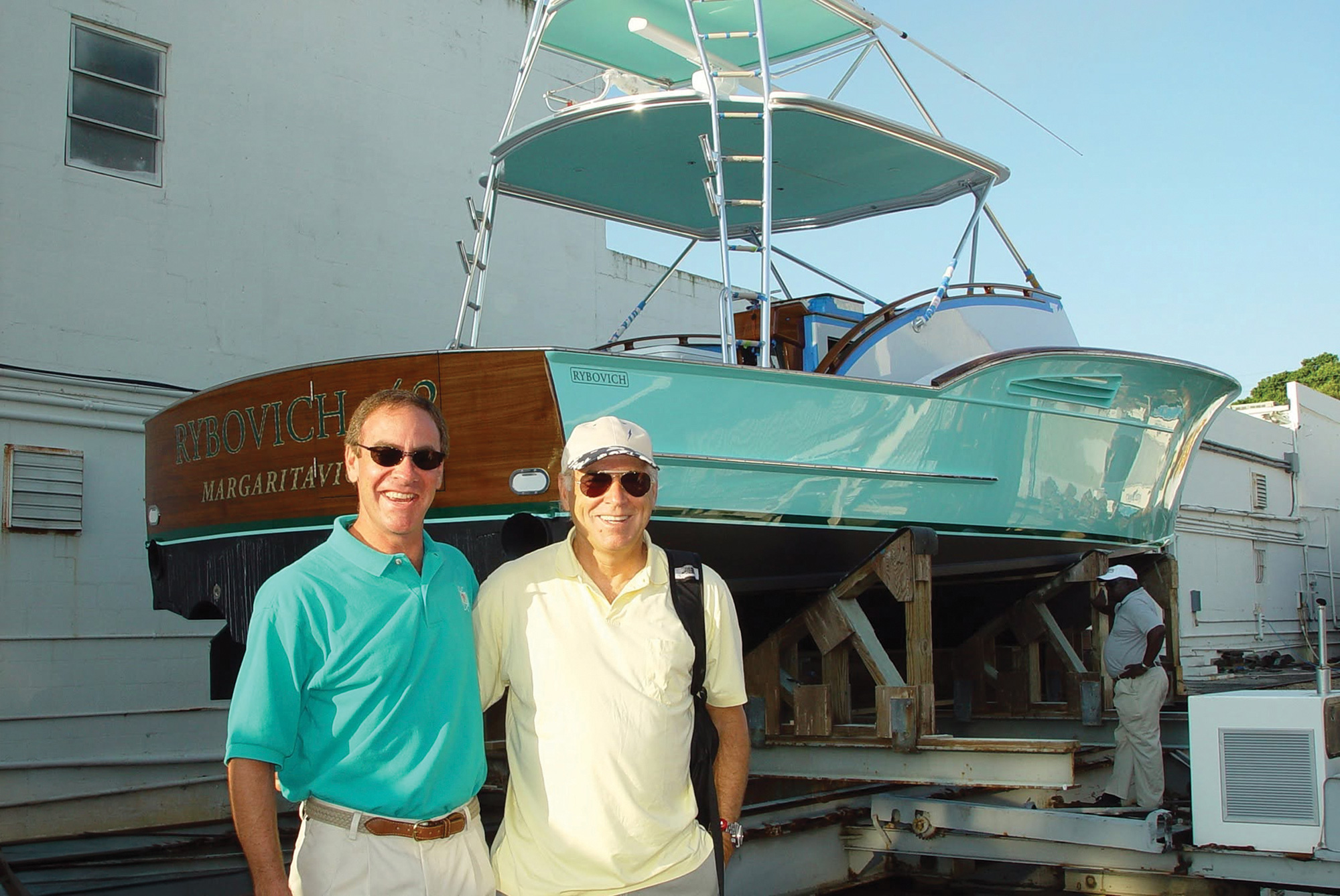
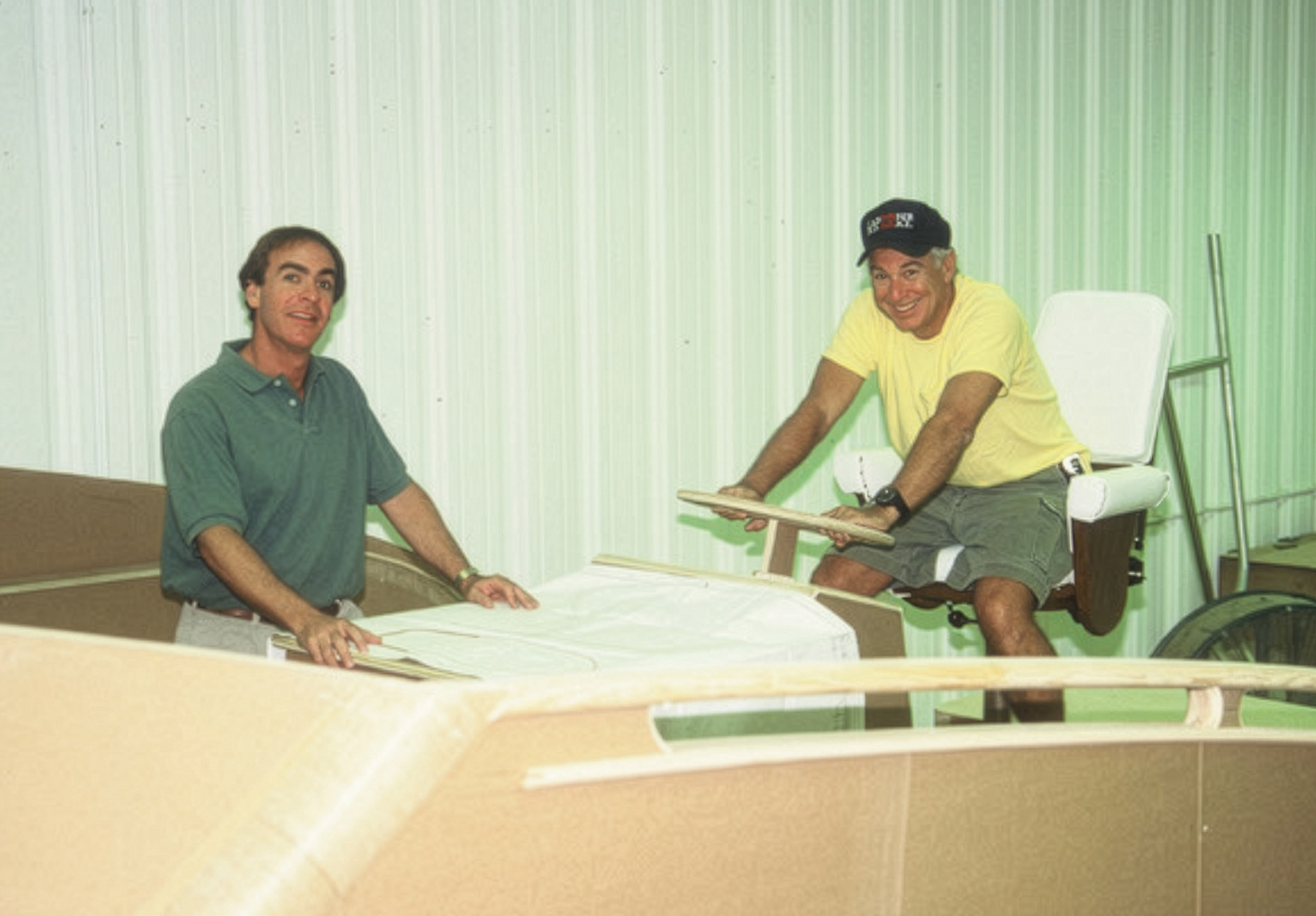
Rybovich had been building boats for almost a century, but this one was a departure for them in terms of design and materials. While retaining many of the distinctive and graceful features of the classic Ryboviches, it was made from fiberglass rather than wood and it would be larger than a typical walkaround-style fishing boat with many more comforts, including a cabin. They called it an Express Walkaround and had plans for a semi-production model dubbed the Margaritavich, which Bronstien says was a joke that stuck. For a marketing slogan, Buffett served up a classic line from one of his many enduring songs: “Got to stop wishing, got to go fishing,” from “A Pirate Looks at Forty.”
“We were really building a dayboat, but you could overnight on it,” says Bronstien. “We had professional interior yacht decor for a very small cabin, and it had a bunk, a little galley and a head and a shower. Jimmy was very comfortable in it even though it wasn’t a big cabin, but I think maybe that goes back to all his years touring on a tour bus — he was used to smaller spaces.”
Another interior detail was small inlays of a palm tree inside a porthole, which was also a design feature on some specially made Jimmy Buffett signature-model Martin guitars. “They had just come out with a custom line of guitars, like a limited edition of a couple of hundred or something,” Bronstien says. “The idea was that you’d get a custom Martin guitar if you bought a boat, which was a little gimmicky, but it was something that we thought would be fun to do.”
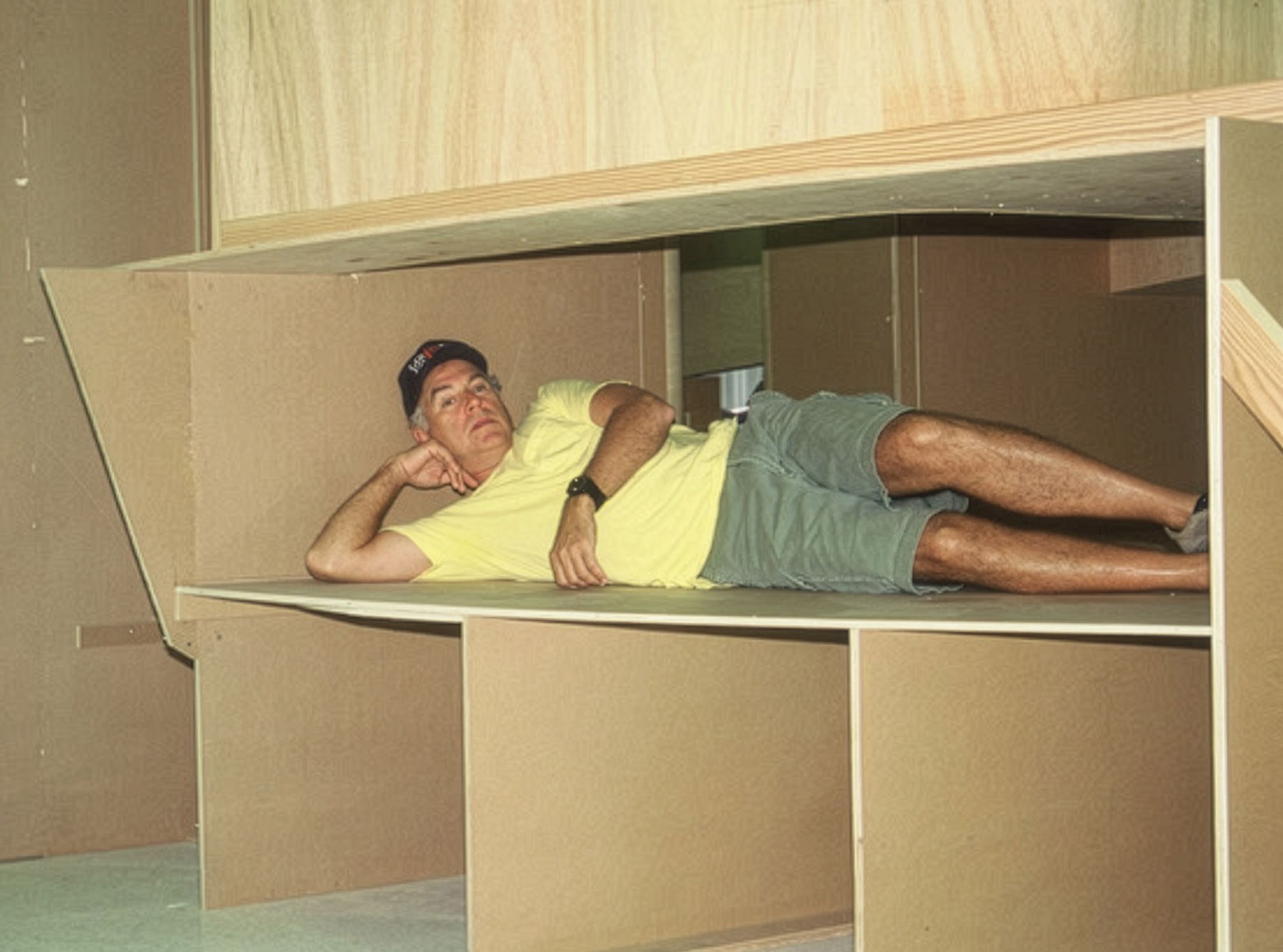
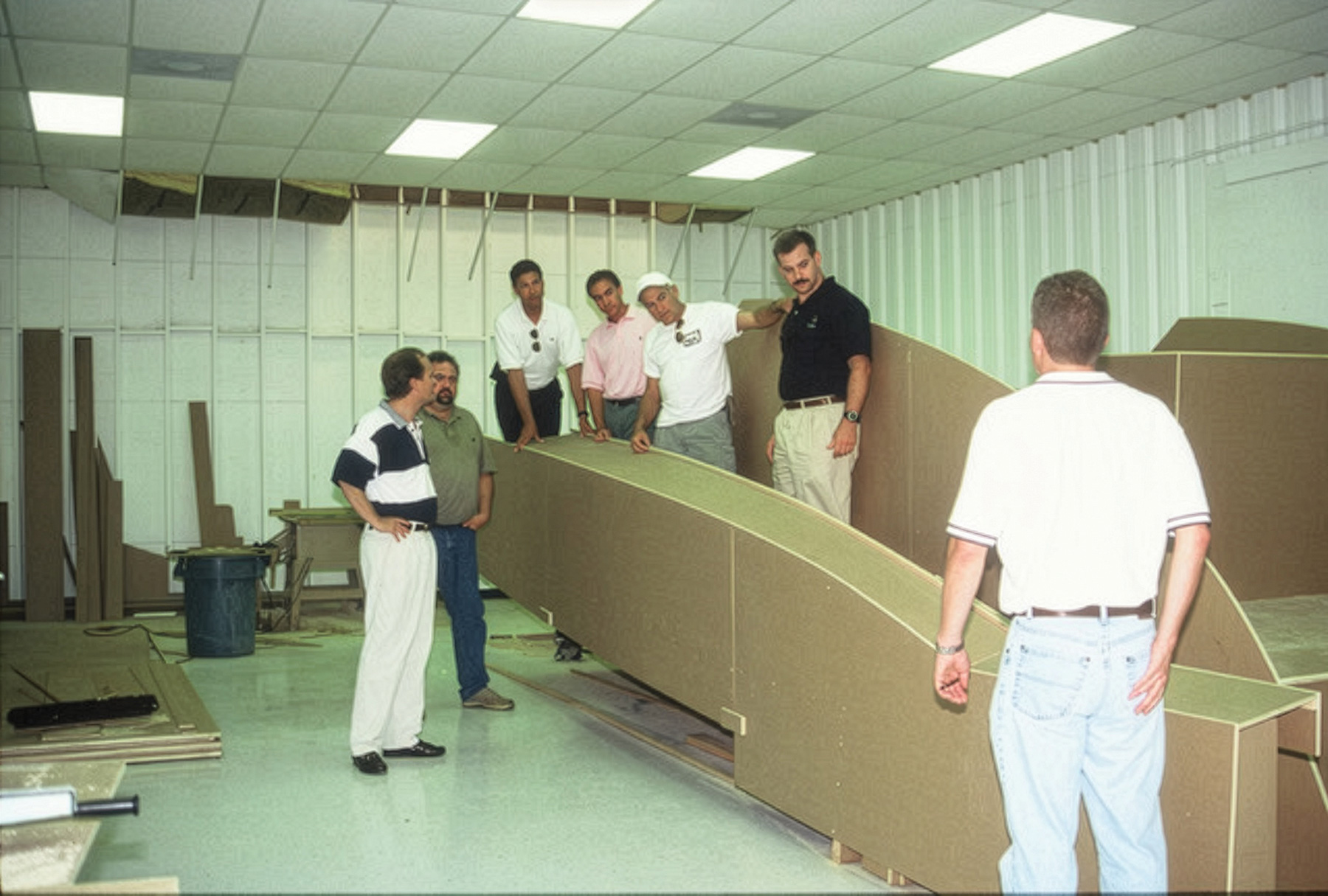
Bronstien owns two of the instruments that would have landed in the hands of early boat buyers. As it played out, though, only two boats were produced before he sold the company and the project ended. The first one went to Buffett and the second one to then-Krispy Kreme executive Mac McAleer (husband of Jimmy’s sister, Lucy Buffett), who named it Doughnut.
That early Last Mango served Buffett well for quite a long time — enough to log 11,000 hours on the original inboard diesel engines, according to longtime captain Vinnie LaSorsa. “It was a great boat,” he says. “It was laid out really well and had a lot more room than you would expect for a smaller sportfishing express boat. It had nearly a queen-size bed and it had a stand-up shower that I could spin around in with my elbows out.”
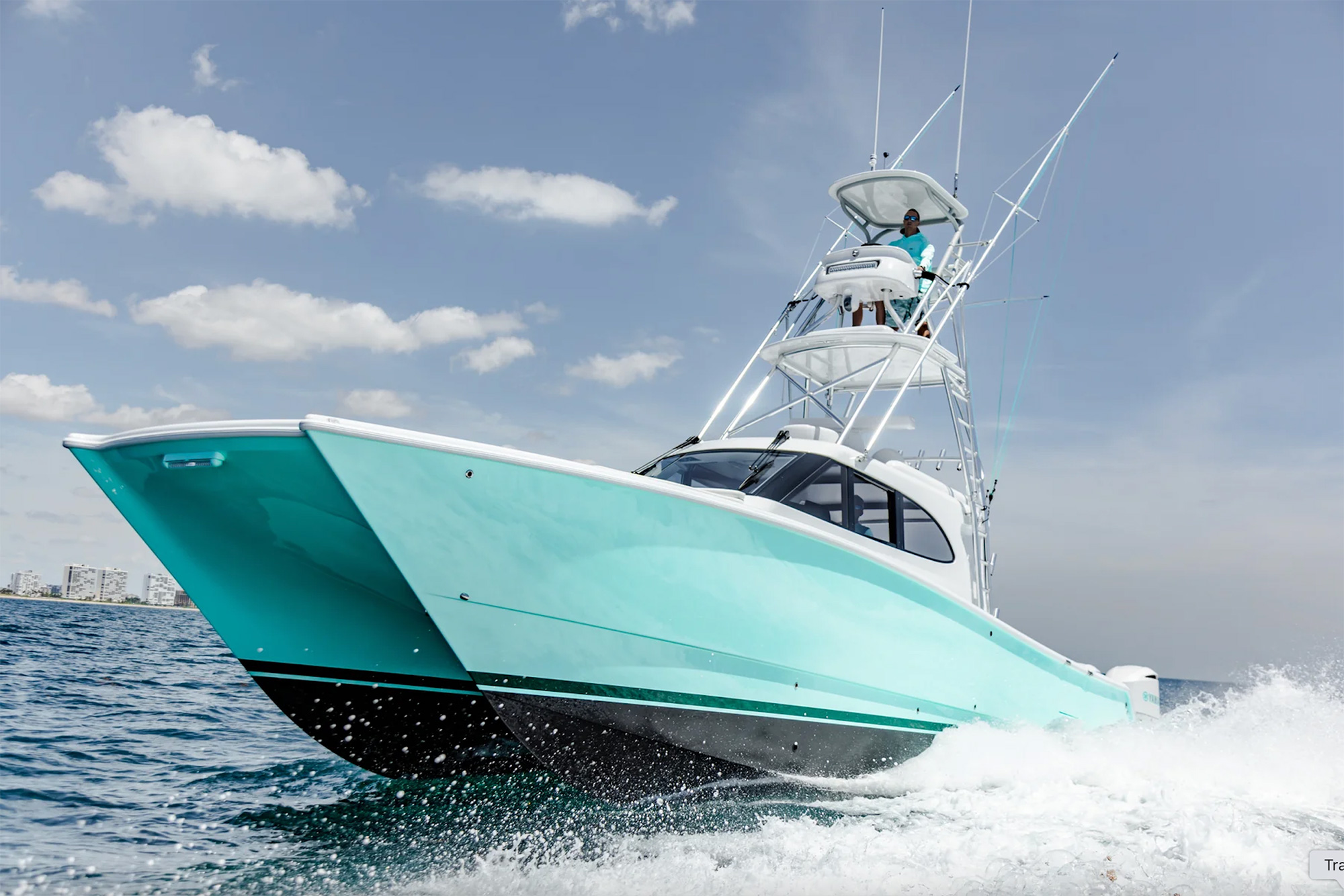
But eventually Buffett set his sights on a sleeker and swifter upgrade that was equipped with the very latest technology. This more modern and sophisticated version of Last Mango that followed is the one that has become so iconic through so much media exposure since it first hit the waters in 2019. Though the beloved Buffett left us three years ago this month, LaSorsa helms the cherished boat to this day for activities associated with Margaritaville Enterprises and a lifestyle brand called Last Mango Boatworks.
“He was always on to the next project,” says LaSorsa. “When we were building a boat, he’d be ecstatic, talking about it non-stop and calling randomly about ideas. He’d write notes during the middle of the night, and I would do the same thing. When we were done with it, we’d celebrate and then we’d use the boat and then, a couple of trips in with the boat we’d just built, he would be talking about how he could build one that was better.”
Many consider this next one — which LaSorsa figures was one of probably two dozen Buffett owned through the years — to be a landmark vessel. Through LaSorsa, Buffett had become familiar with the catamaran-style boats made by the famous Freeman Boatworks of South Carolina. “We went up and talked with (owner) Billy Freeman and Jimmy just fell in love with the Freeman boats instantly. It was mostly about the speed, the efficiency and the ride.”
Buffett had specific ideas about the design, and all of them were not exactly in Freeman’s wheelhouse, so to speak. He wanted a fully enclosed, climate-controlled cabin and many other unique features. These included power windows that would glide up and down and a retractable awning, shock-absorbing seats and a total of 58 rod holders for arm’s-reach access from virtually anywhere on board. In a first-of-its-kind arrangement, Freeman partnered with Merritt’s Boat & Engine Works of Pompano Beach to make this dream boat happen. They hauled the fiberglass-and-foam hull down to Florida by trailer for workers at Merritt’s to install their precision-made pilothouse that was constructed from lightweight carbon fiber.
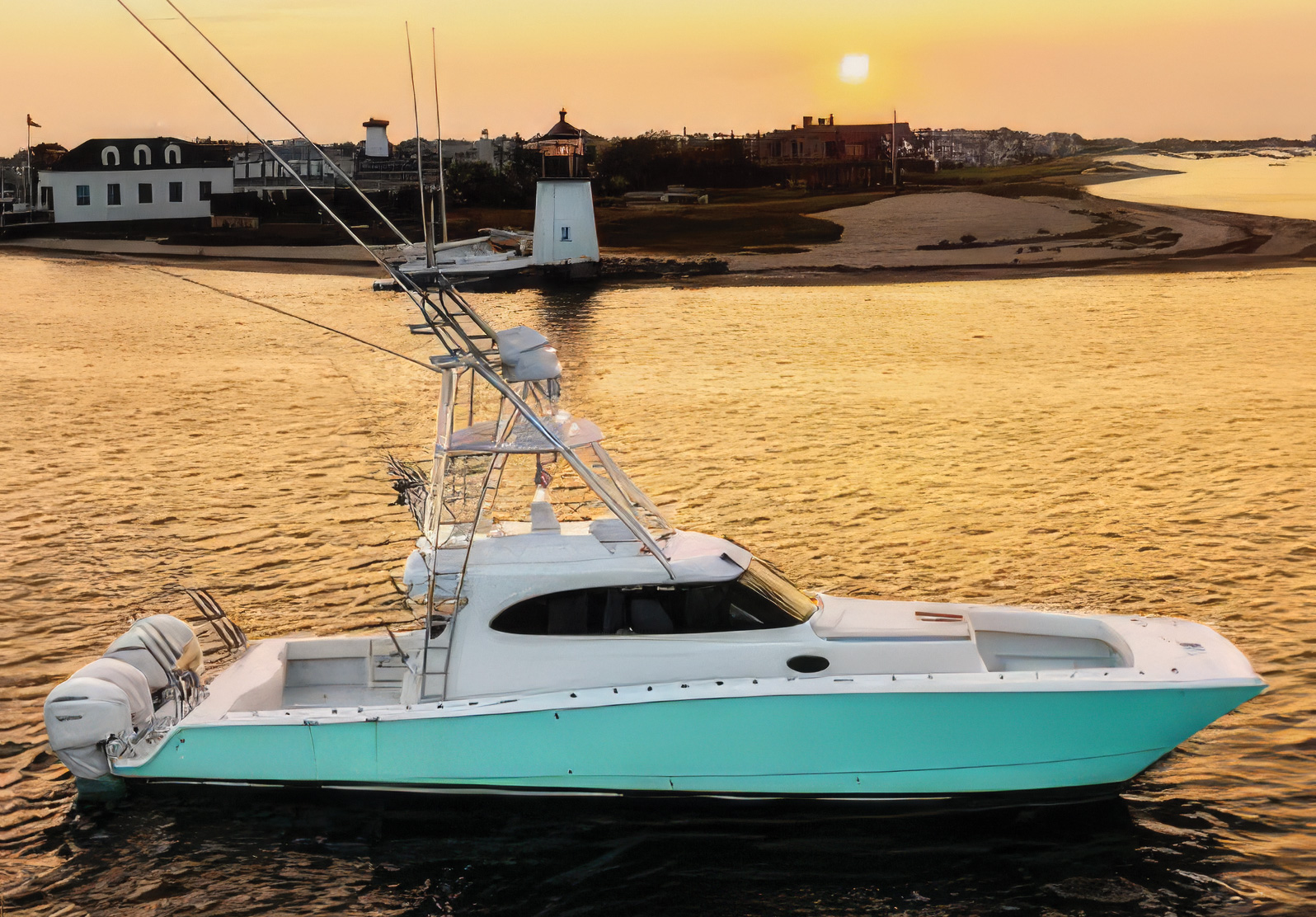
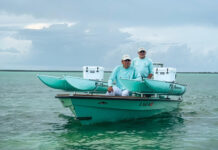
Like its predecessor, the fresh Last Mango had a length of 42 feet and the same eye-catching color scheme of seafoam green and white. It had two fuel tanks that held a total of 800 gallons, and the boat’s game-changing speediness came from four Yamaha 300-horsepower outboard motors. “You could be doing 35 or 40 knots in two- to three-footers with your feet up on the dash,” LaSorsa says. “I remember Jimmy saying that a ride this good kind of changes your whole playbook, that you could get a lot more fishing done in a short time and still be home for dinner.”
Their typical routine was to fish in the early part of the year in parts of South Florida, the Florida Keys and the Bahamas before making their way up the East Coast toward some of Buffett’s other favored fishing spots around Sag Harbor, Montauk and Nantucket. LaSorsa says that for a few years starting around 2007, the Rybovich-built Last Mango was berthed in Ocean Springs, Mississippi, as Buffett was overseeing the development of the Margaritaville Casino and Restaurant in nearby Biloxi. That gave them many opportunities to drop lines in the Mississippi Sound and the Gulf waters offshore, where he, of course, had enjoyed untold hours in his younger days. “We did quite a bit of fishing there during that period,” says LaSorsa. “We would go fly-fishing in the marshes for redfish and would throw half crabs and mullet heads for them in the passes by Horn Island. We would also run the beach there at Horn Island for tarpon and head out to the oil rigs and catch kingfish, wahoos, tunas and some red snappers.”
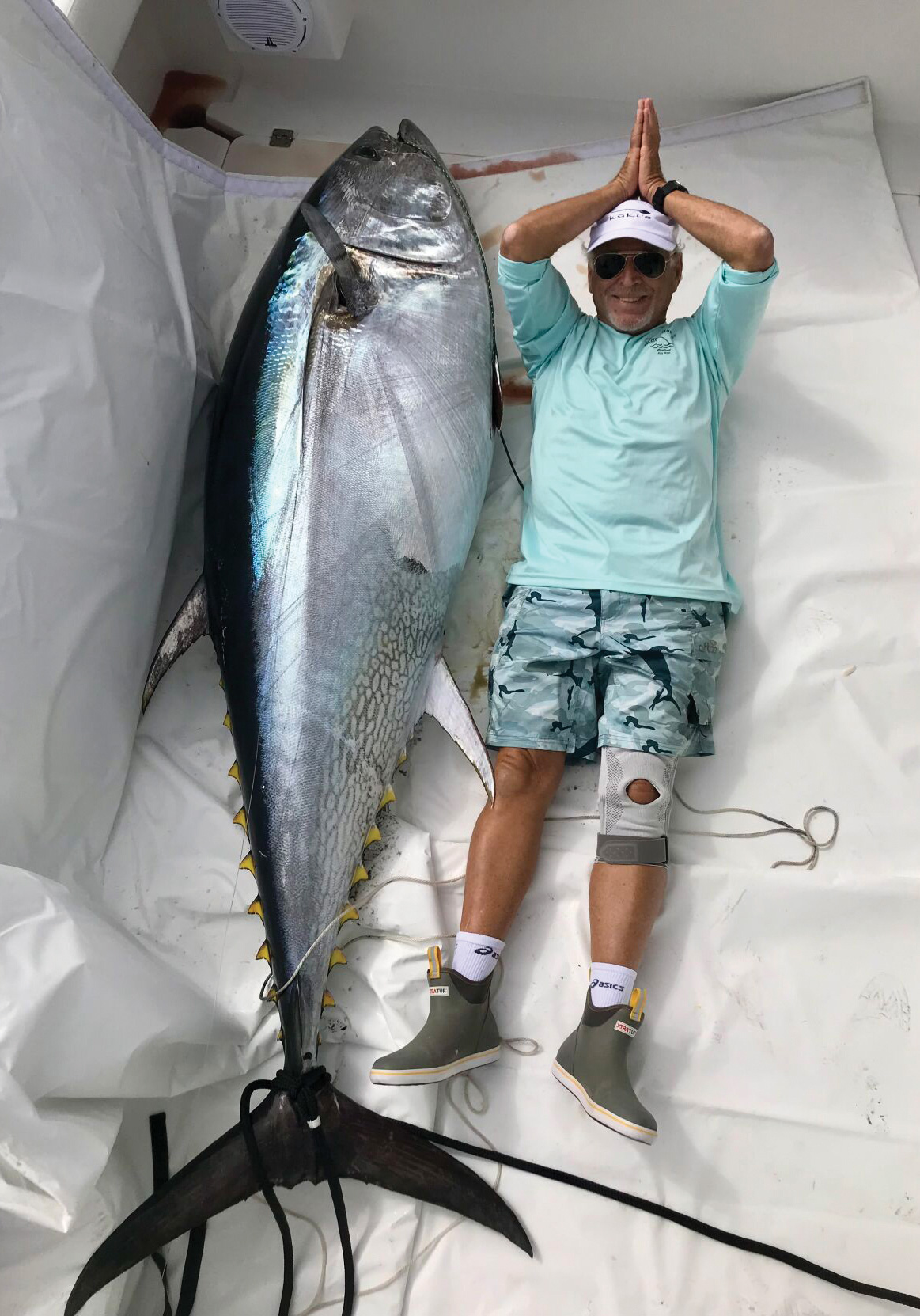
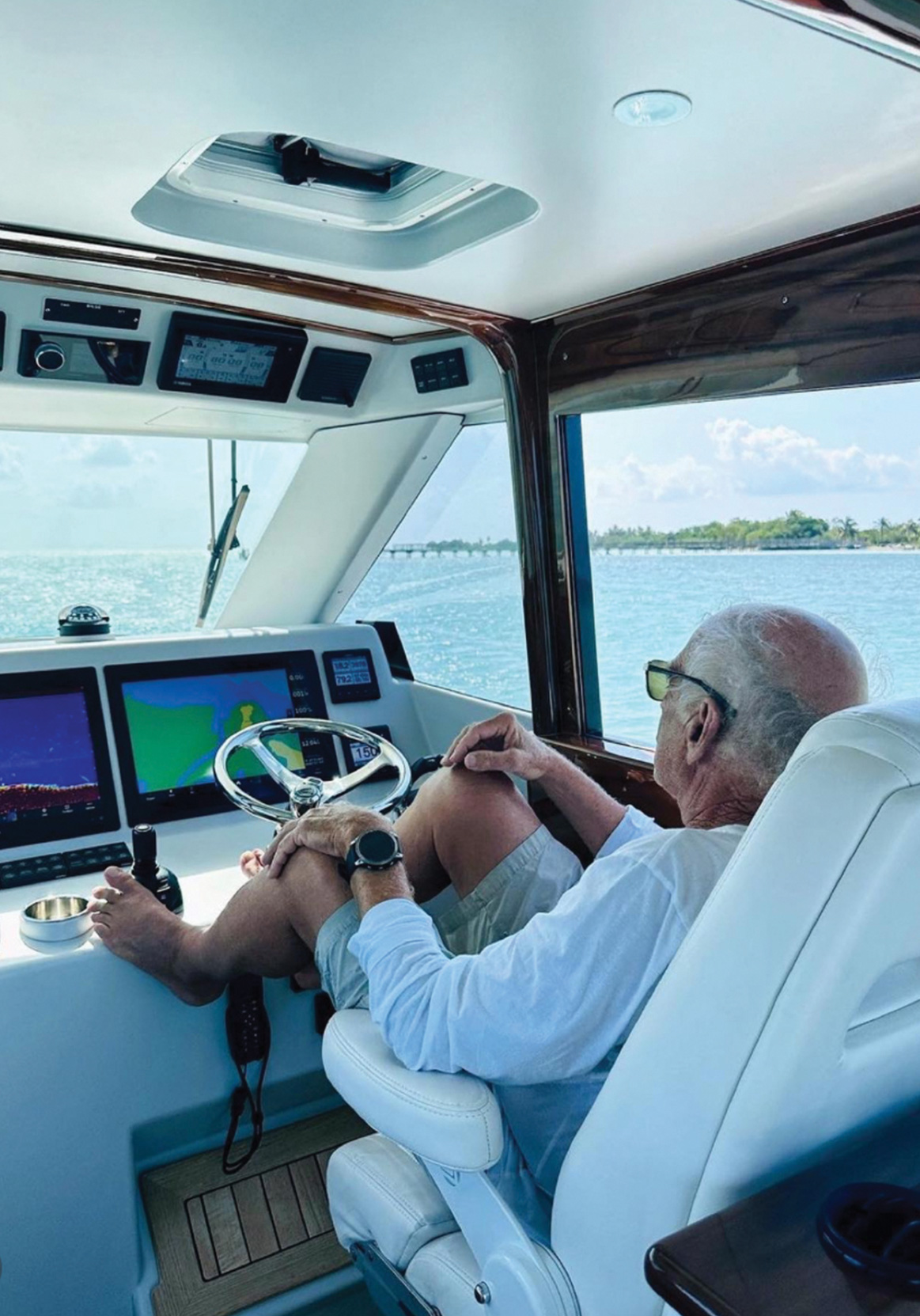
LaSorsa describes his boss who became a close friend as an all-around angler, but points out that his passion for the water also ventured into many other areas. “He was a true waterman. If he wasn’t swimming in it, he was on it sailing or powerboating or surfing or paddle boarding. He didn’t stop. When people ask me ‘Was he really like you think he was?’ I say, ‘Yeah, more than you think he was.’”
While his time around Buffett was much more limited, that’s a description that lines up with Bronstien’s recollections, too. “He loved boating and fishing and was true to the lifestyle that he sang about and talked about. It was genuine.”