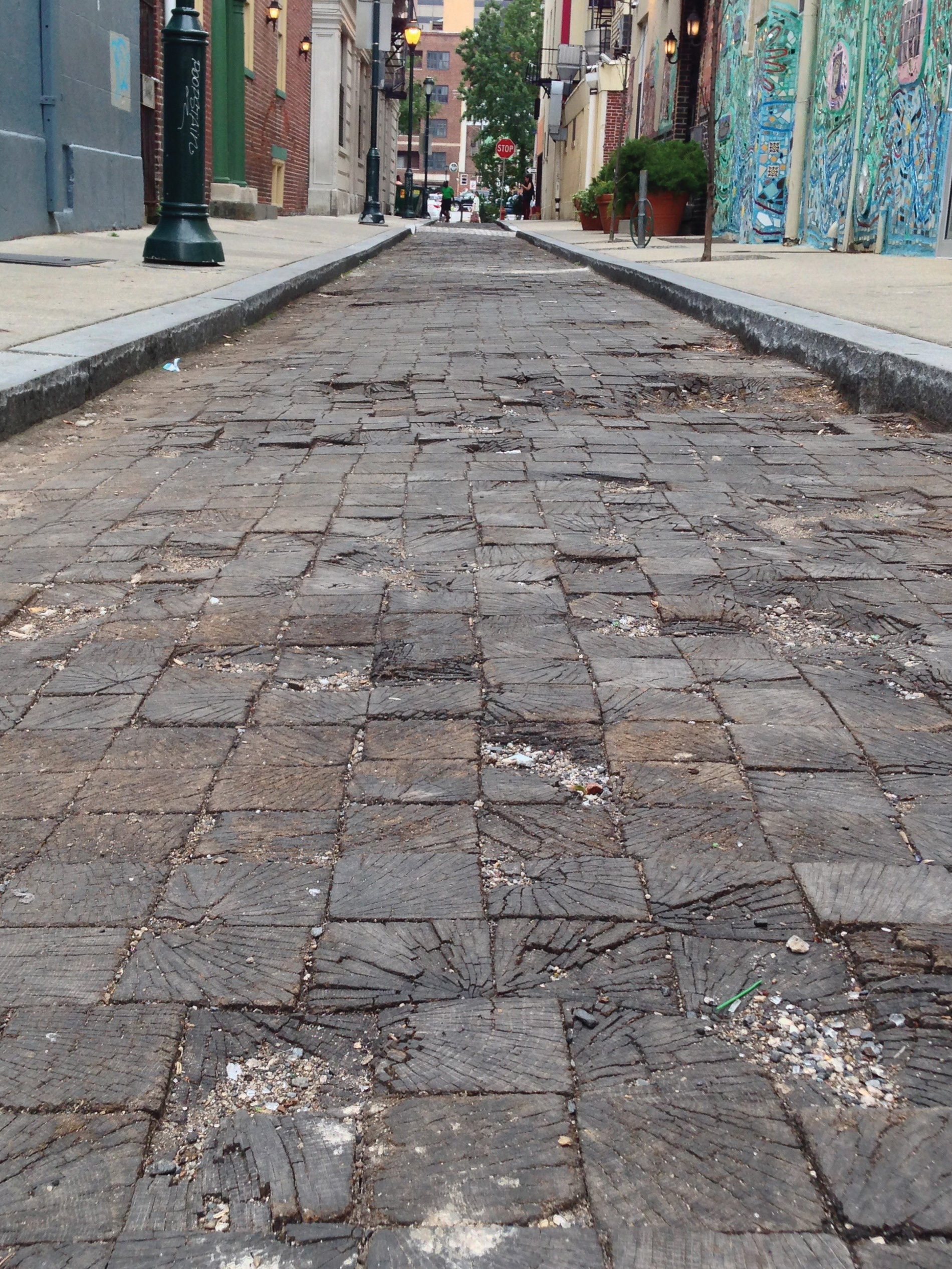
ABOVE RIGHT Wood block pavement at the 200 block of South Camac Street in Philadelphia. Photo courtesy wikicommons by Z22
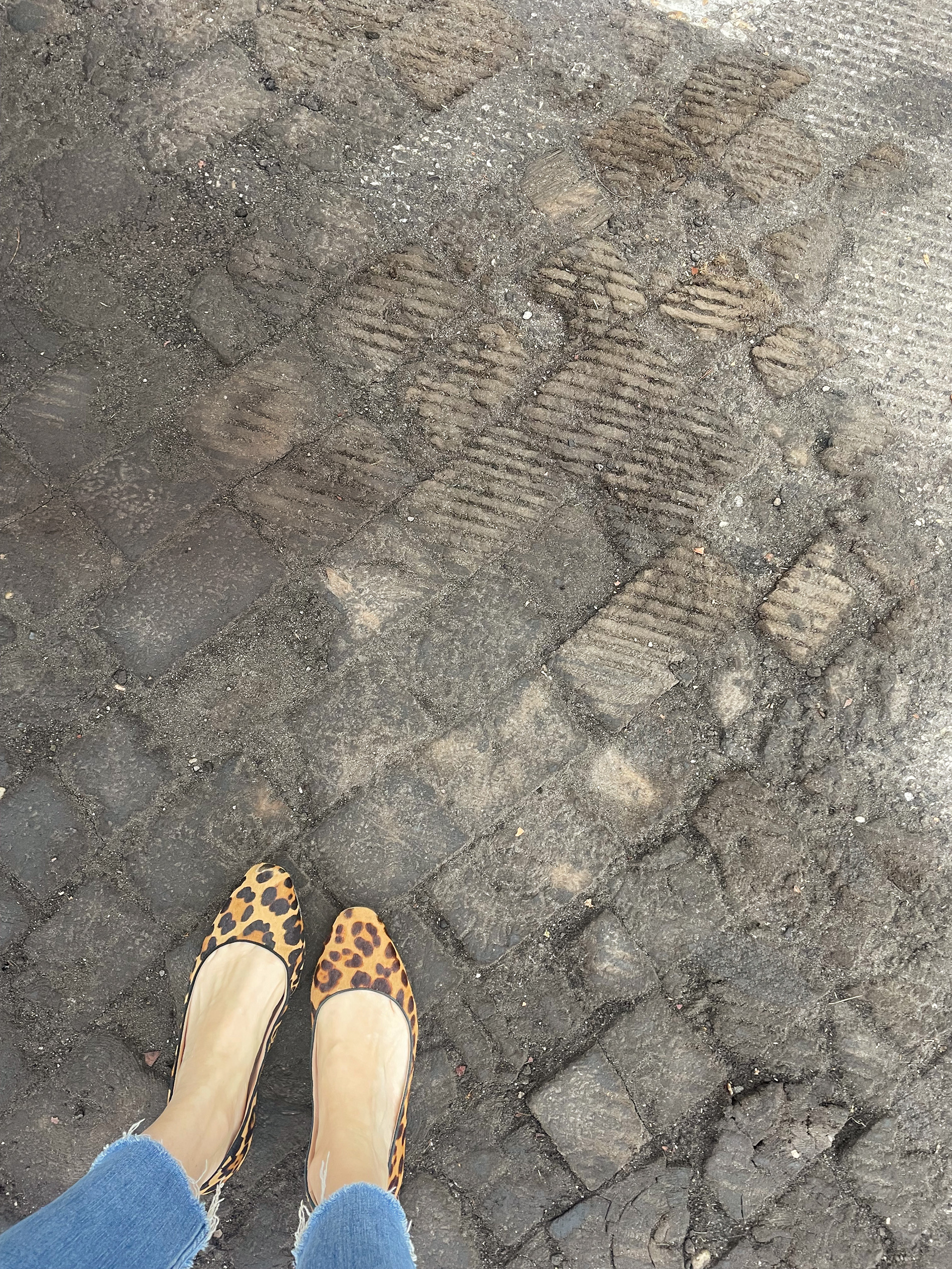
History is everywhere, even right beneath our feet on the street corners of Downtown Mobile. The intersection of Government and Claiborne streets is one such example. At first glance, nothing about the area seems unusual; the streets are lined with new and old buildings, people wander by on the sidewalk and cars drive down the asphalt roads. But, like many other Downtown streets, this location is part of one of Mobile’s most fascinating pieces of hidden history. Today, the street is paved with asphalt. But, decades ago, it was paved with something entirely different: wooden blocks.
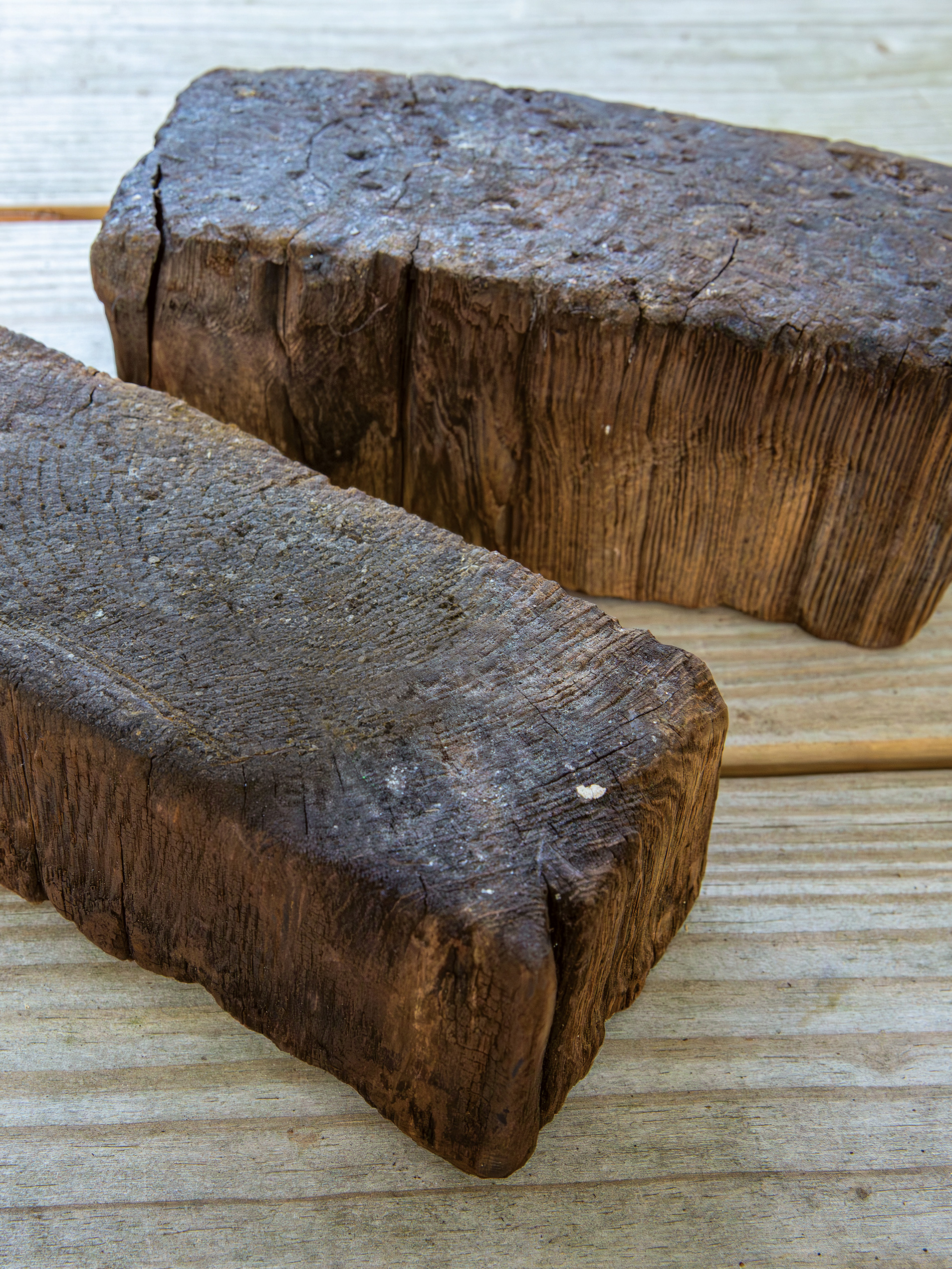
According to local historian John Sledge, during the Victorian Era, some streets in Mobile were little more than dust and mud, while others were paved with various materials, including cobblestones, brick, macadam and wooden blocks. While some blocks were laid in the 20th century, others date to the post-Civil War era. As early as the 1860s, Royal Street bore wooden pavers from St. Francis to St. Michael streets, but those were made from saplings. Then, in the 1890s, the city began to pave its streets with cypress. These blocks were cut, laid similarly to the way one would lay bricks and covered in creosote, a flammable, tar-like product that provided a seal for the wood to keep it from deteriorating. The wooden pavers were smoother than materials like cobblestones and made it easier for carriages and other forms of transportation to travel down the streets. But the trouble with wood in a city like Mobile is that wood absorbs water.
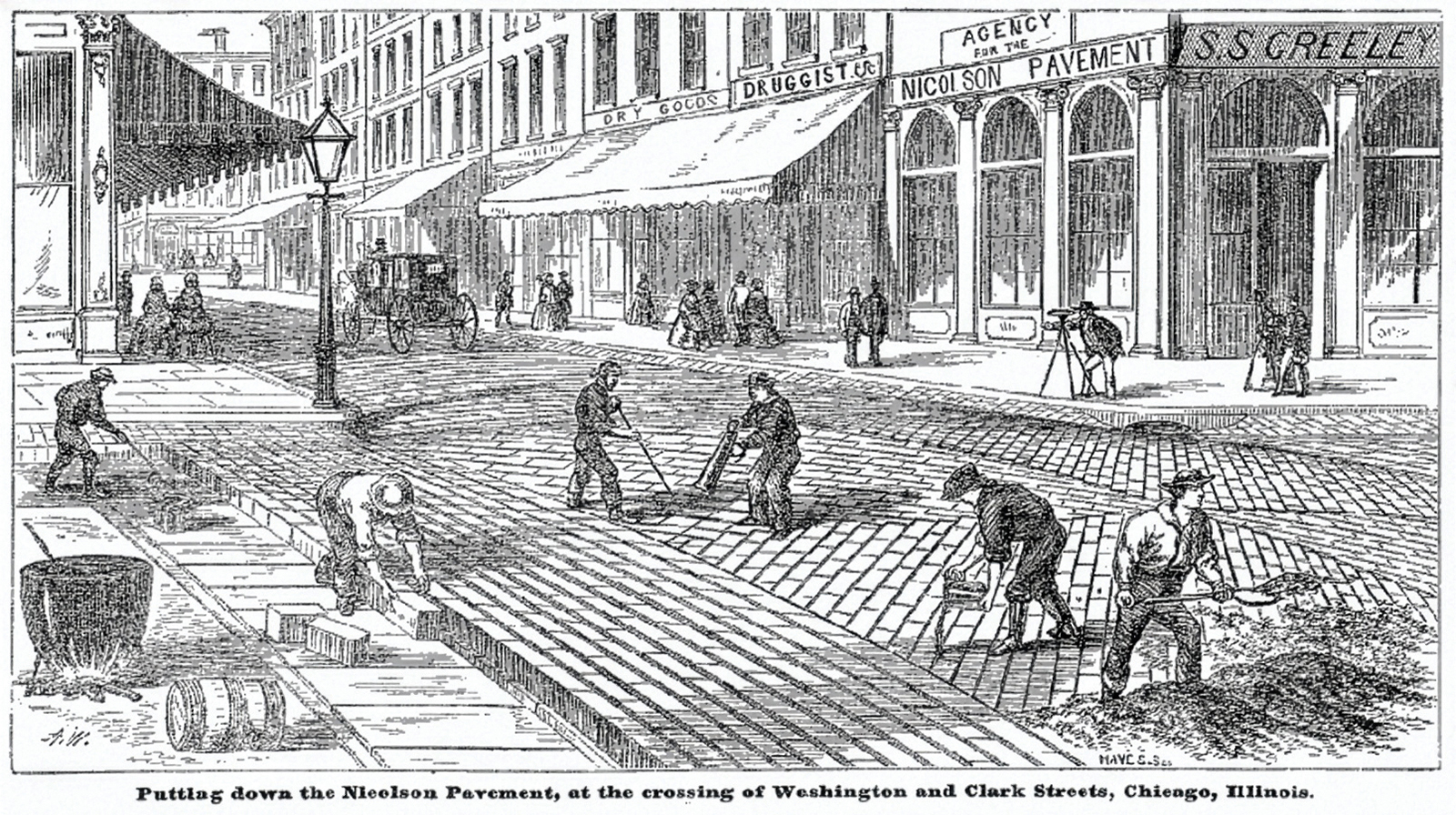
Not even creosote could entirely protect Mobile’s wooden streets from frequent rain showers or thunderstorms. Rain soaked into the ground and into the pavers, causing them to swell and dislodge. Sometimes, they would even pop free beneath people’s feet. When a wooden paver broke loose, it left behind a pothole, which damaged automobile tires and carriage wheels that had the misfortune of driving over the gaps. If a passing automobile avoided a pothole but struck a loose wooden block, the tire’s impact would occasionally turn the block into a projectile, sending it soaring through the air toward pedestrians or crashing through store windows. Other wooden blocks floated away and landed in people’s front yards. The citizens of Mobile didn’t mind too much, since wood covered in creosote burned easily, so they would gather the blocks and burn them. Due to the creosote, the blocks emitted a thick black smoke that sometimes led to conflicts between neighbors who did not want the smoke billowing across their property or over the clean laundry hanging on their clotheslines.
Even though wooden blocks were not a perfect solution to Mobile’s paving needs, they were a viable and popular option used through the turn of the century. By 1915, due to the efforts of companies like the Republic Chemical and Creosoting Company, wooden blocks covered more than half the city’s paved streets. Materials like vitrified brick and asphalt were popular secondary choices. Finally, by the 1930s, the city had moved away from wooden pavers in favor of other materials.
Throughout the ensuing years, resurfacing efforts and other projects have uncovered these wooden blocks hidden beneath the asphalt, which is how the pavers were discovered beneath Government and Claiborne. Although many of these wooden bricks have been found, it is likely that others have not been discovered yet. So, the next time you walk around Downtown Mobile or pass by a Downtown street being resurfaced, pay attention. You never know what you might see, or what might be hidden beneath the asphalt. Wooden blocks might be there, either exposed to the eye or tucked beneath the streets, serving as a reminder of the Port City’s special, unique history.