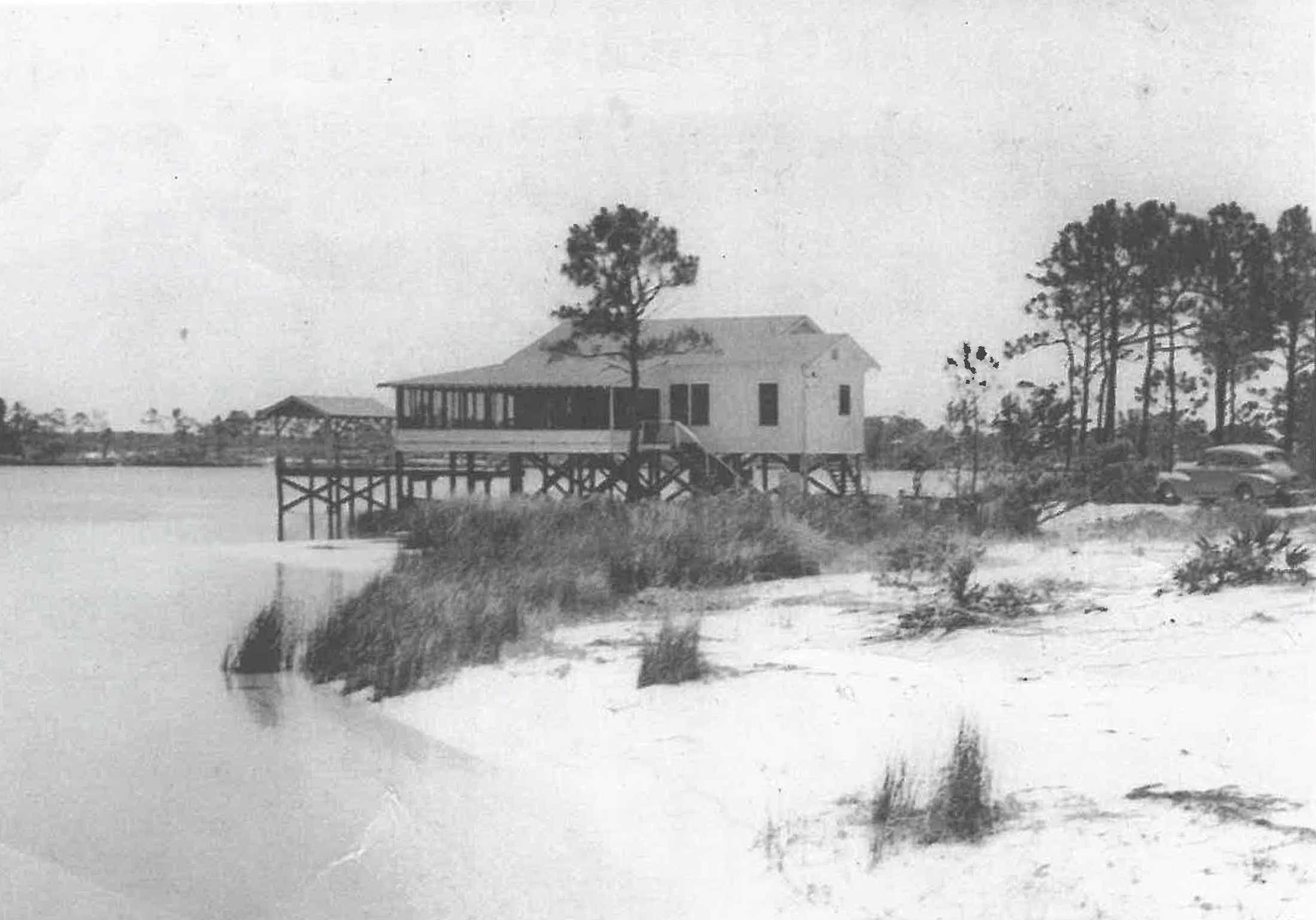
It’s a beautiful, clear and sunny day as Margaret Childress Long sits in her glassed-in sunroom overlooking Cotton Bayou. She gazes out over the blue water and says, “You know, it was first called Cotton Bayou during the Civil War, when blockade runners came in here to pick up their cotton to sell on the [illegal] market.”
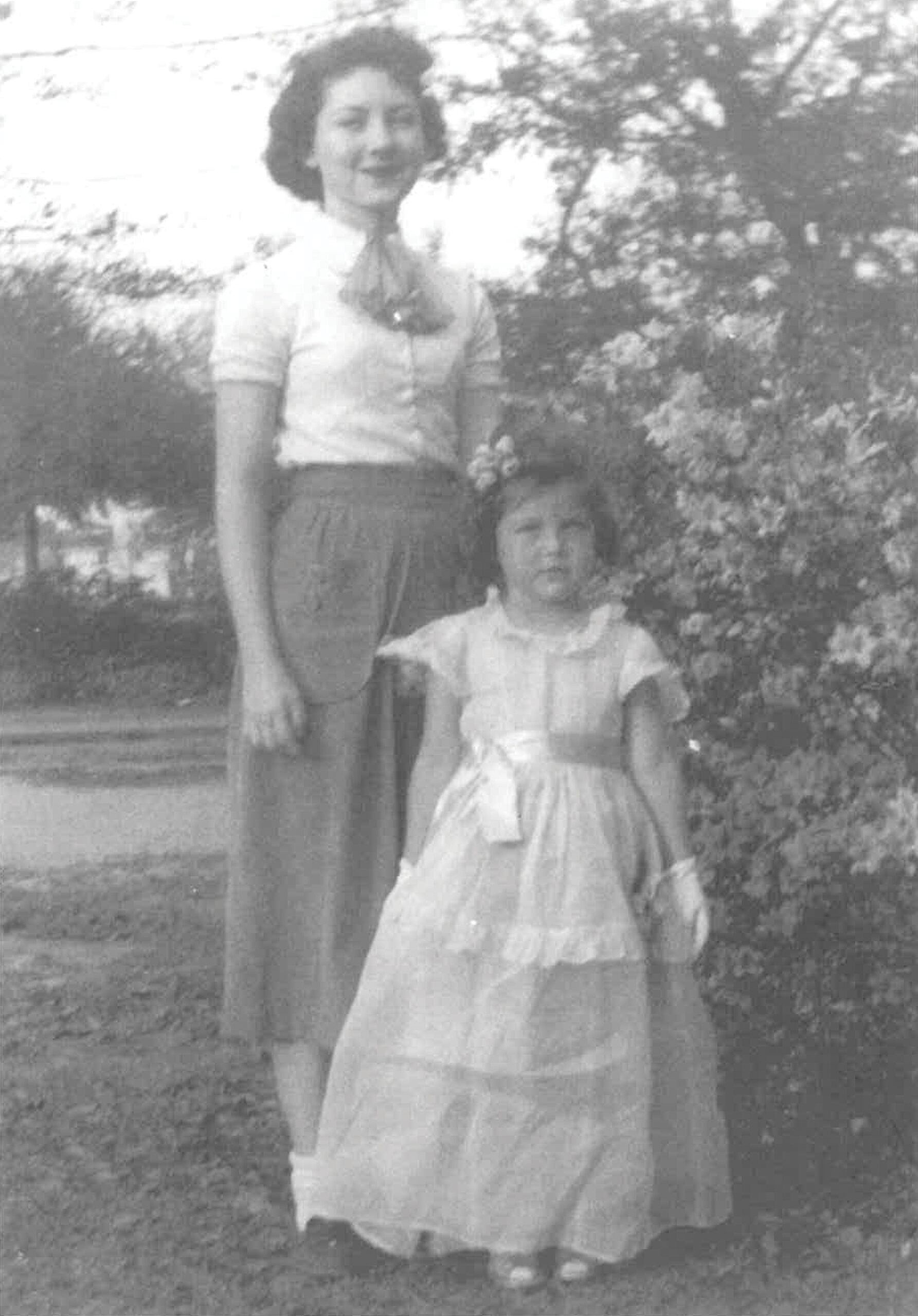
Long should know her history of this area: she’s authored several books pertaining to the history of Orange Beach and can rattle off names of early settlers like they’re old friends. “My first ‘book’ was one I wrote when I was in high school,” she says with a smile. “That was in 1964, and my mother saved it.” She holds up the homemade book and beams with pride. “That was just the beginning, when I realized writing the history of this area was important.”
What followed was her first, formally published book in 2006 titled “The Best Place to Be: The History of Orange Beach, Alabama.” This was followed by “Orange Beach, Alabama: A Pictorial History,” published in 2016. “Both of these are on sale at the Orange Beach History Museum,” she says, then begins reminiscing about how she came to be a long-time resident of what locals call Pleasure Island.
“My mother [Dorothy Brooks] was very proper and was used to wearing hats and high heels. She came here from Evergreen. My daddy, Ted Childress, and his family came here in a covered wagon in the 1920s to Loxley. My parents met, married and then moved here when I was not quite 2 years old.” She smiles again, and it lights up her face as she talks about how her parents came to know each other. “My daddy graduated from Auburn in 1937 and became the assistant county agent. The closest county he could go to was Conecuh because authorities thought locals wouldn’t pay attention to another local telling them how to run their farms. So, it was there he met my mother.”
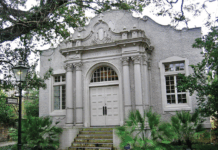
The Orange Beach History Museum is a large part of the life she’s led since first coming to Orange Beach in 1949. “It used to be called the Indian and Sea Museum, but it changed its name to the Orange Beach History Museum.” She chuckles softly and adds, “That building has worn a lot of different hats over the years.”
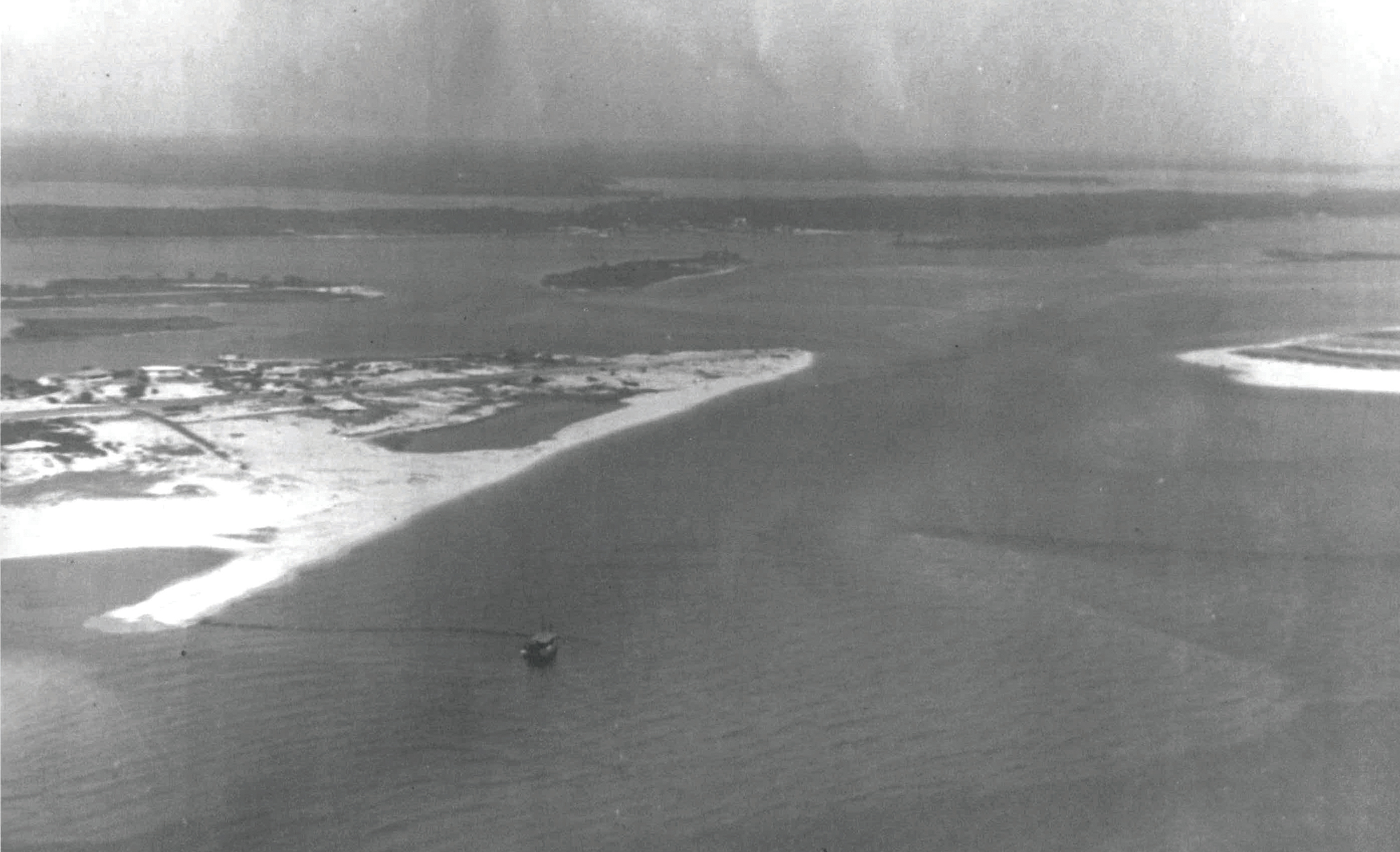
Long further explains that two original families — the Walkers and Callaways — made Orange Beach what it is today. “In 1949, there were only about 100 residents here,” she says. “The Walker and the Callaway families were the backbone of what would become Orange Beach, and anybody that lived here back then made their living by fishing. Those two families started the Orange Beach Fishing Association, but what they refer to as logistics was a challenge to the fishermen.” She pauses to explain. “Back then, to go to the Gulf and fish, they had to go all the way down to the east end of Ono Island. Then it was called Point Ornocor and Old River and there was a little opening [to the Gulf] where the Flora-Bama is now. After some years of that, those fishermen took shovels, went down and dug out a little pass using their bare backs and hands. That is now the pass at Alabama Point, and there is a tall bridge there. They started digging over in Terry Cove. It wasn’t very wide, but then a hurricane came and opened it up more. That made it easier for them to go out in the Gulf. But the currents changed the bottom, and you had to know where to go so you wouldn’t run your boat aground.
“Then Roland Walker started working with the state of Alabama to help dig the pass out. That was before the first bridge was built.” She pauses and knits her brow as she remembers how the bridge came to be. “The state needed some acreage to get a bridge over Alabama Point. My cousin, Amos Garrett, gave 29 acres to Robert Swift, Sr., the state highway director. The first bridge was built and opened in 1962.” She smiles broadly and adds, “Mary Nell Walker and I got to hold the ribbons for the ceremonial opening of the bridge.”
Long reminisces about how rudimentary communication was back then. “In 1949,” she says, “we didn’t have mail service. All the mail had to come in where the Coastal Art Center is now. The mail would be delivered to Millview, Florida, and then the postmistress, Elsie Diehl, would go pick up the mail. She had to travel by horseback to get the mail in Caswell, near Bear Point. If you wanted to mail a letter back then, you had to go to Foley to buy postage.
“Telephone service didn’t exist here then,” she recalls. “When we first moved here no one had a phone. That upset my mother, because she couldn’t keep up with her kinfolk [in Evergreen]. We got phone service in 1956, and it was a party line we shared with another family. John Snook had his phone company [Gulf Telephone] then and trained his switchboard operators how to shoot as well as operate the switchboard. My daddy paid Snook to get phone service so he could talk to his corn buyers up north.”
Long pauses to sip on her sweet tea, then continues. “There were only two stores. A man named Mr. Leir had a grocery store and there was a gas station owned by Tillie Smith on highway 80. My daddy grew corn and always sold some to Mr. Leir. With money from corn sales, I bought my first Stauter Built boat and used it to visit friends and go to Pirate’s Cove in Josephine. Back then they didn’t have a restaurant, but they did have a big slide.”
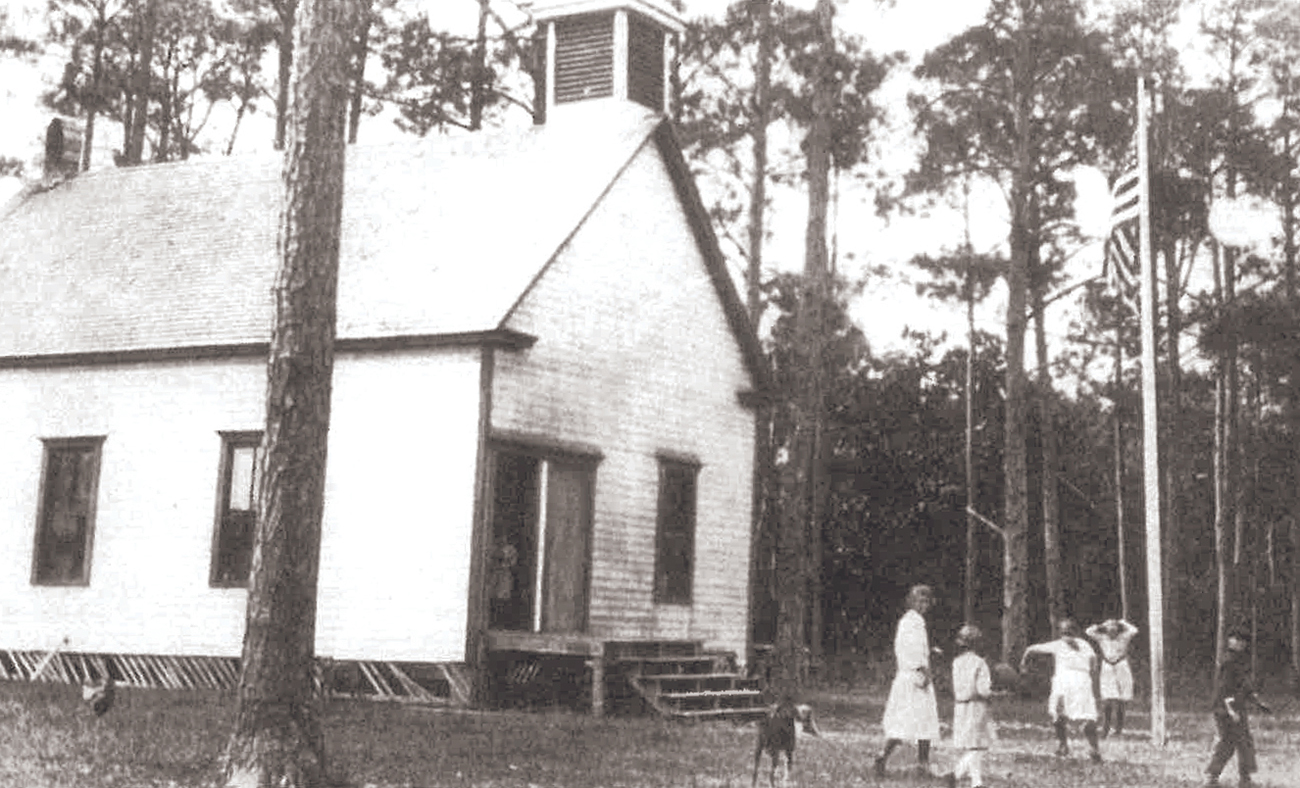
LEFT Vallie Callaway (the tall girl) with schoolmates outside Orange Beach School House around 1921.
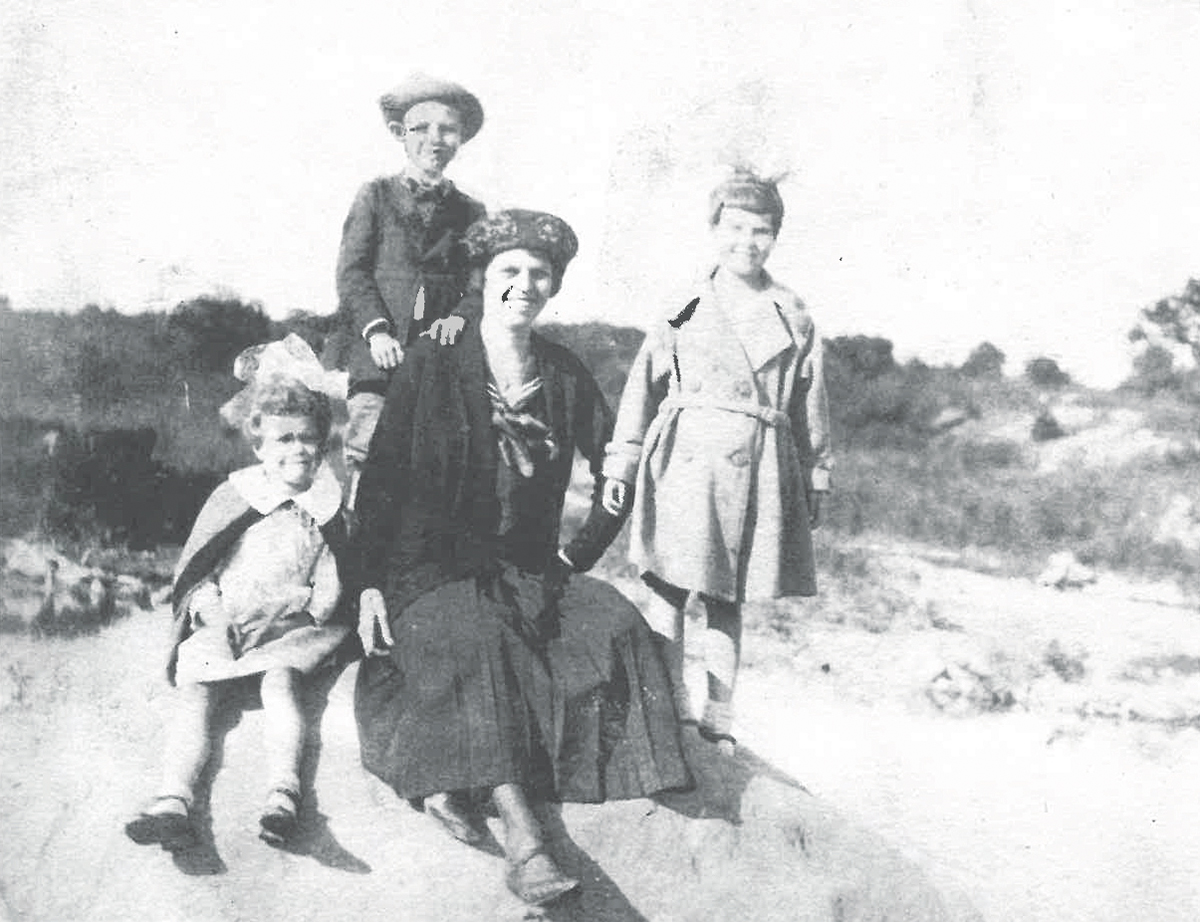
RIGHT Around the time that she built the Orange Beach Hotel c. 1923, Hilda Gulli Callaway Dietz poses with her three children — from left, Evalyn Gray Brasher Dietz, Alazarian Edward Dietz and Alma May Brasher Dietz.
With the afternoon sun glinting off her short cropped, silver hair, Long continues. “Around 1950, this was mostly a quiet little community; all the families knew each other. At one time, my ancestors owned about 5,000 acres in Baldwin County.”
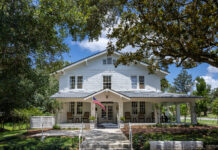
She looks around the room where she has written much of what is in her history books. “This house is what my mother’s first cousin built,” she says and points to the wooden floor. “One reason it’s survived so many hurricanes over the years is how they built it, with sturdy heart pine. This place has changed a lot since 1949,” she says, looking out over the blue water of Cotton Bayou. “But although it’s grown, it’s still my paradise. Still, like my book title, it’s the best place to be.”
Historic Images from “Orange Beach, Alabama: A Pictorial History”
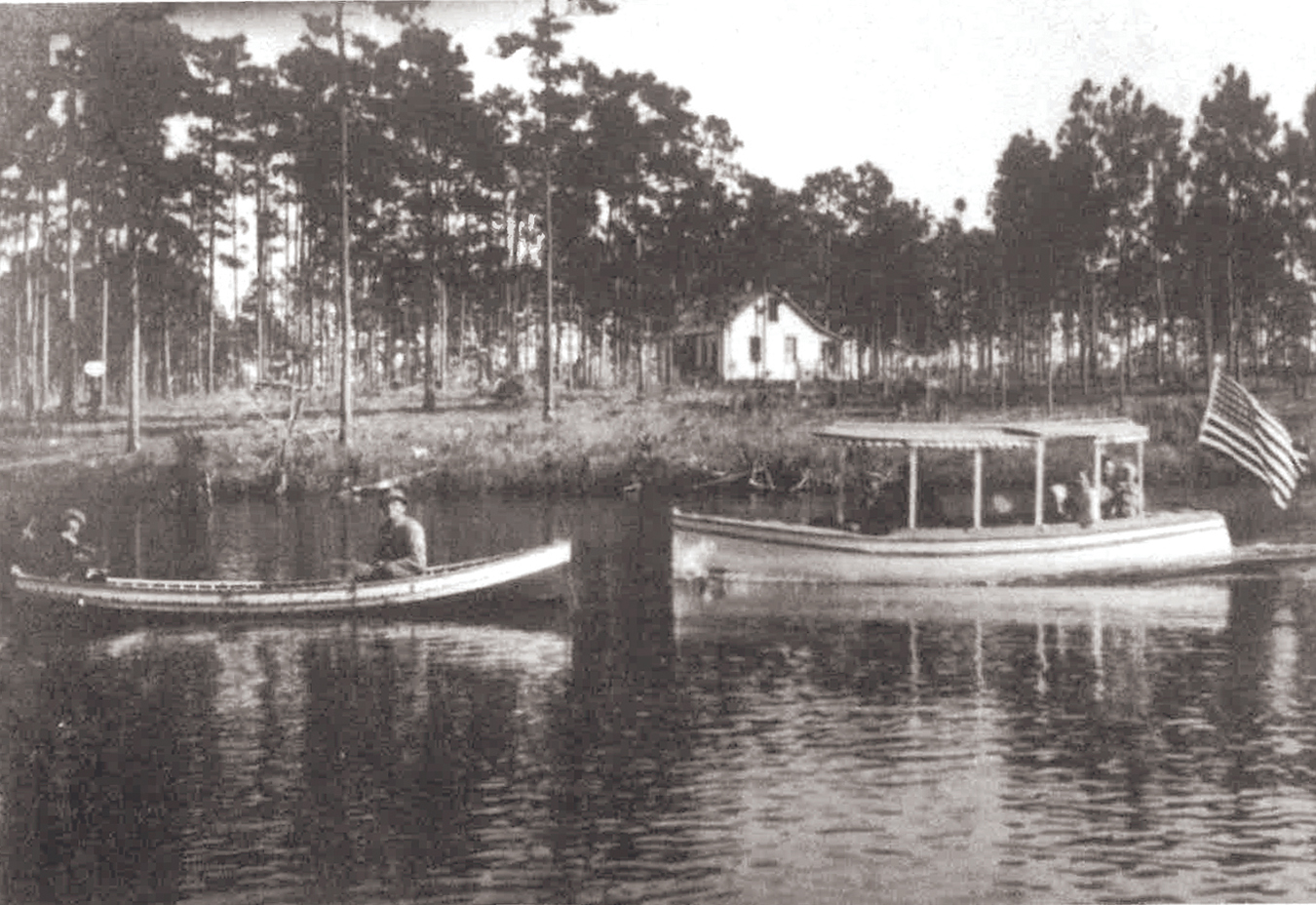
Wolf Bay
Boats on the Bay // Taken around 1910, this image shows a fishing boat on the far left and, beside it, a U.S. mail boat flying the American flag. Mail boats were contracted, and this boat was believed to be operated by Captain B. T. Hudson, who held the mail contract before Captain Rufus Walker Sr.
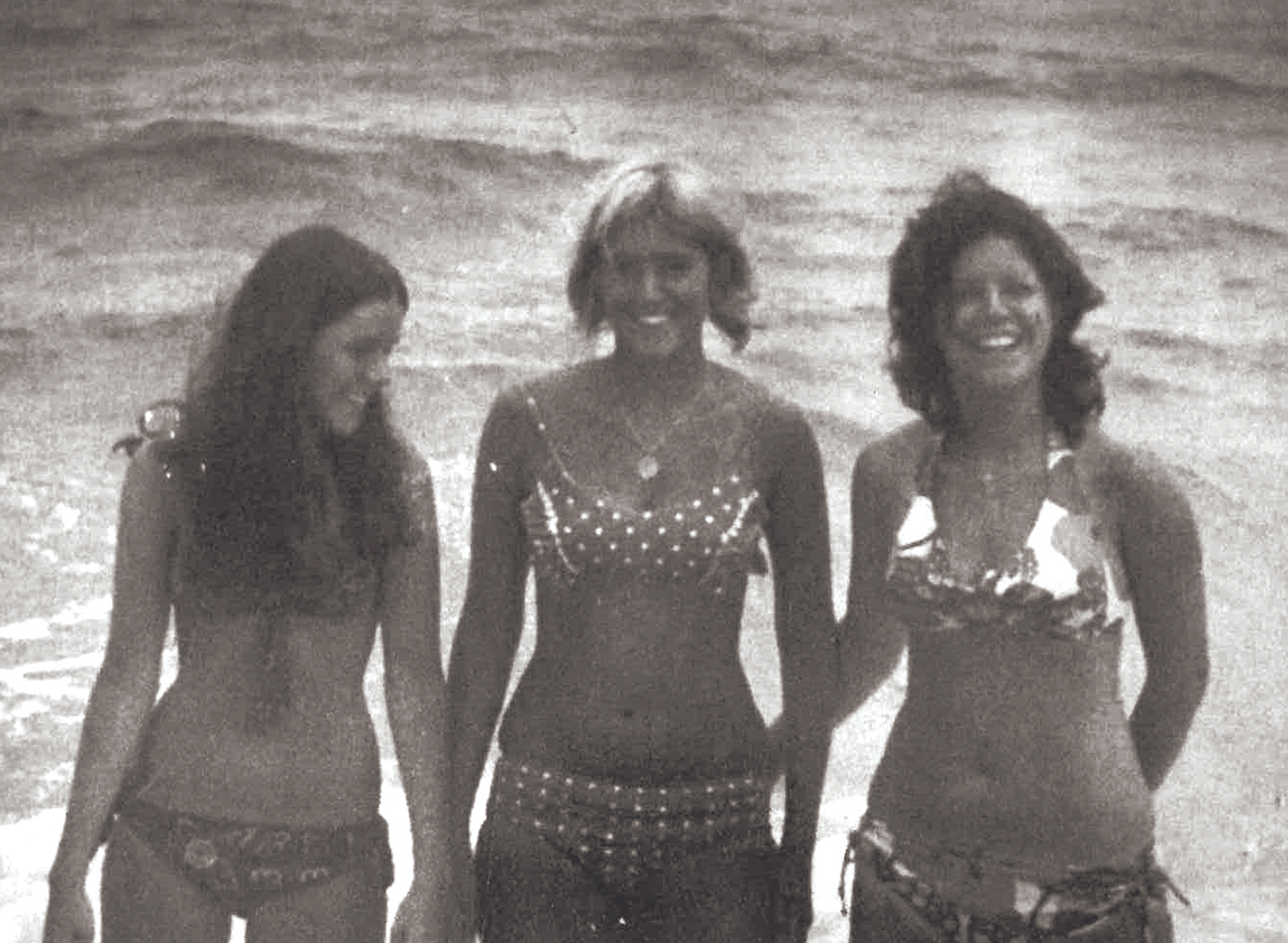
Caswell
Girls having fun // In the 1960s, the three daughters of Lyle T. Jones and his wife, Audrey, have fun in the sun at their great-grandparents’ property on the water in Caswell. Pictured from left to right: Jody Jones Overcarsh, Debby Jones Bender and Kathy Jones Lindsey.
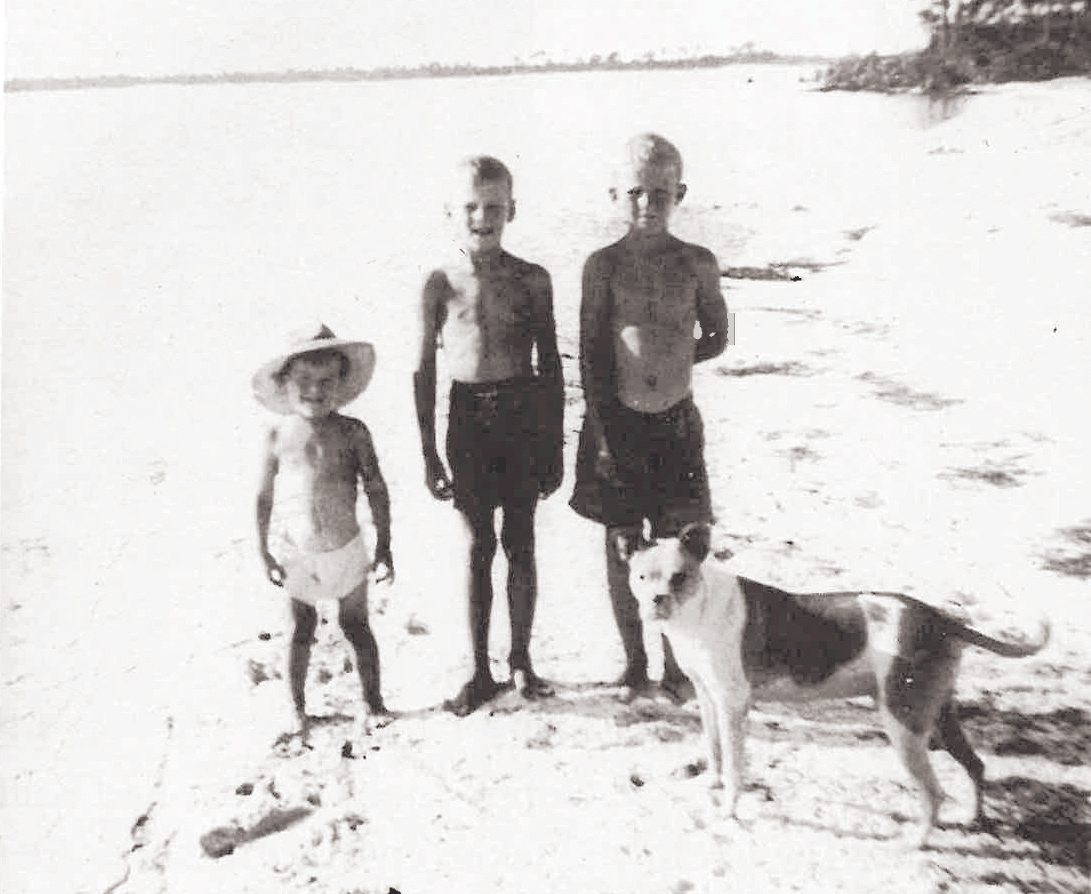
Robinson Island
Brothers on the beach // From left, brothers Jerry Rex Walker, Warren “Buddy” Walker and Leroy Walker enjoy a day at the beach on Robinson Island, c. 1942. They are the sons of Roy and Eva Dietz Walker, who owned Roy Walker Marina.
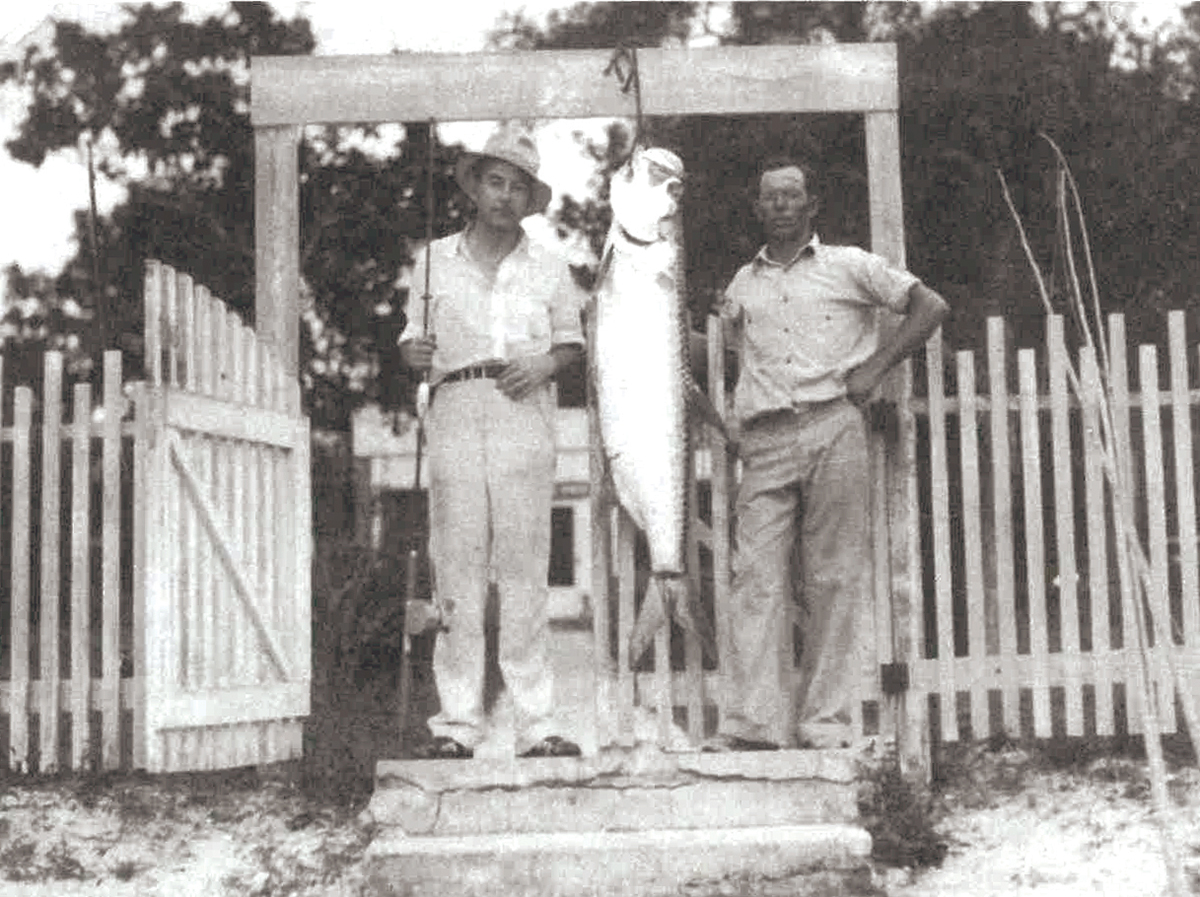
Bear Point Marina
A prize catch // In September 1934, a fisherman poses with Captain Roy Walker, showing off a tarpon between them.
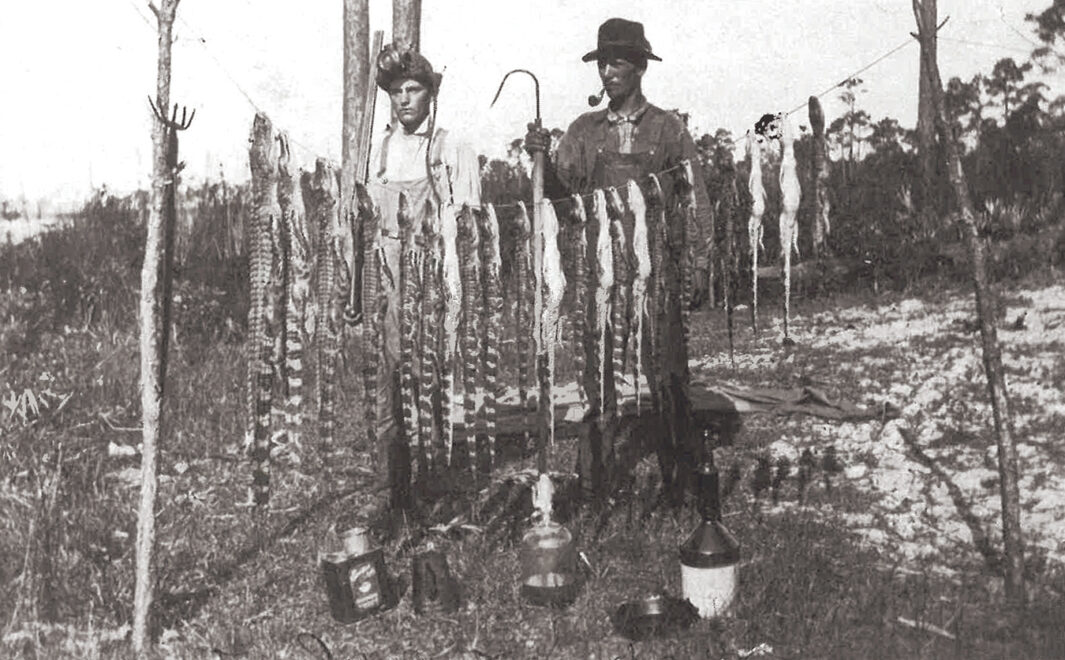
Orange Beach
Gators galore // Most people might not know that the bays around Orange Beach were home to alligators in the early 1900s. They were hunted for food, as seen here with Carlie Burkhart and Joe (last name unknown) showing off their catches.
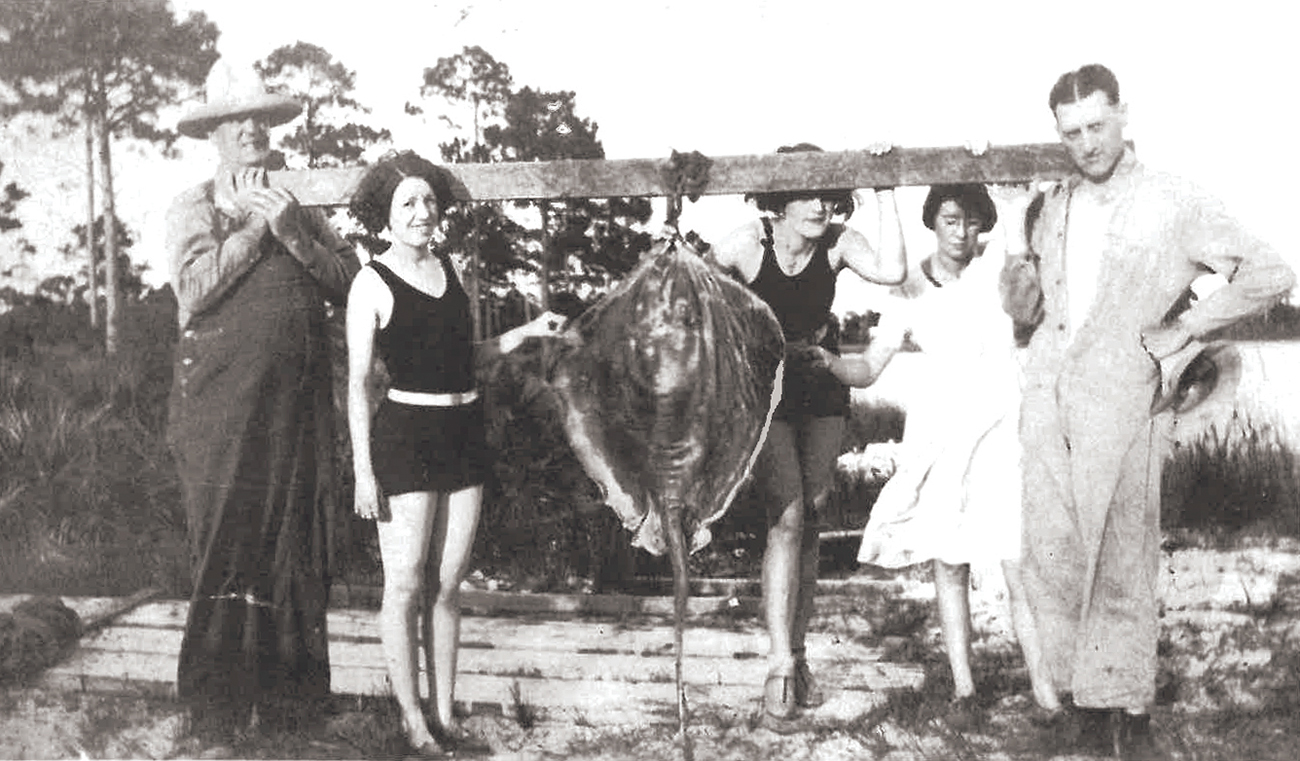
Catch of the Day
A skate, or ray // Members of the Burkart family pose proudly with an impressive catch: a large skate, otherwise known as a ray. This photo was taken during the 1920s.
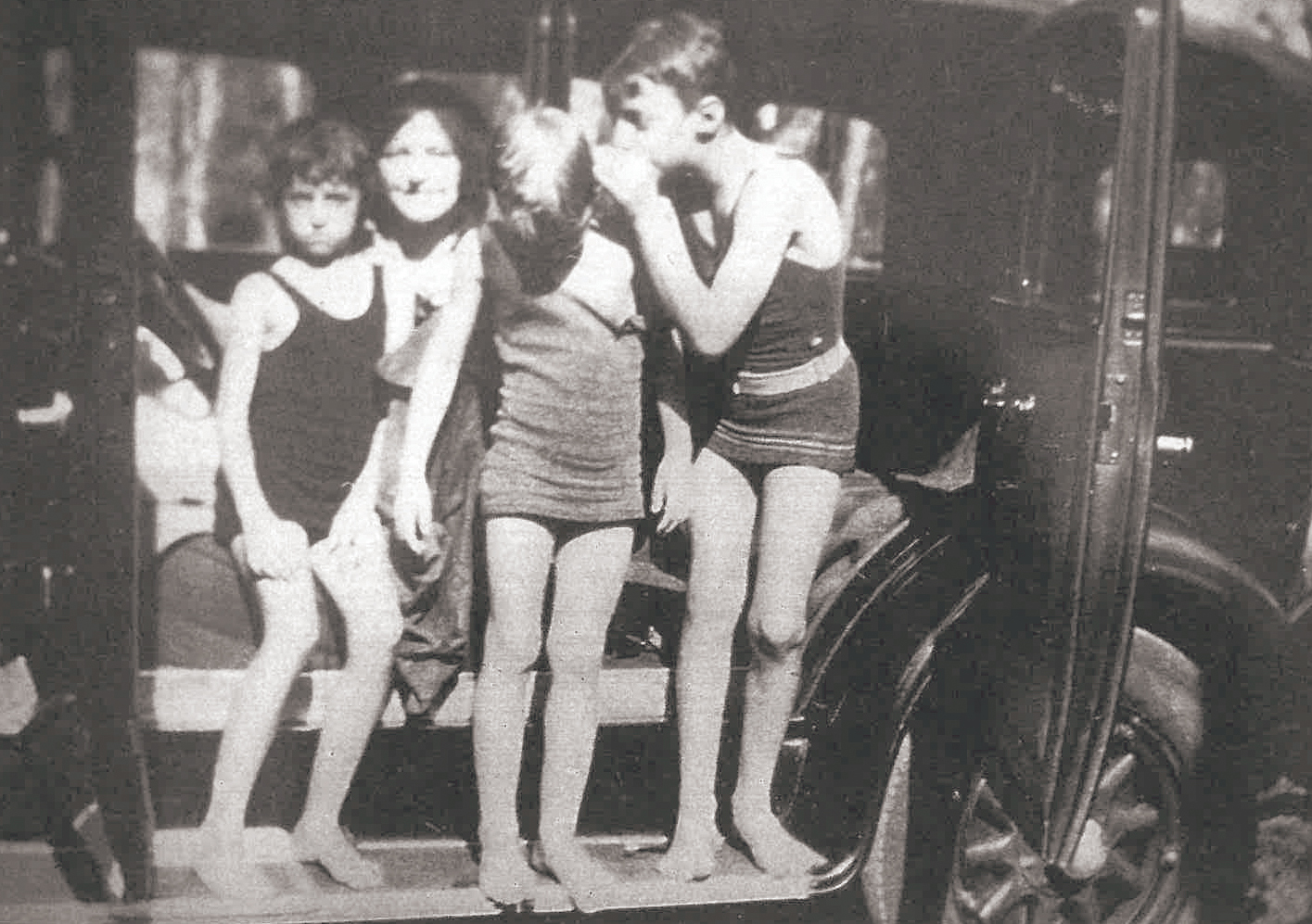
Proud Mama
A mother and her children // This image was taken around 1930 and shows Winifred “Winn” Walker Jones with her three children. Winifred was the wife of Austin Ferdinand Jones and the youngest child of Lemuel “Lem” Waker Jr. and Frances “Fanny” Strong Walker. From left to right: Jean F. Jones, Winifred Walker Jones, Lyle T. Jones and James Austin Jones.